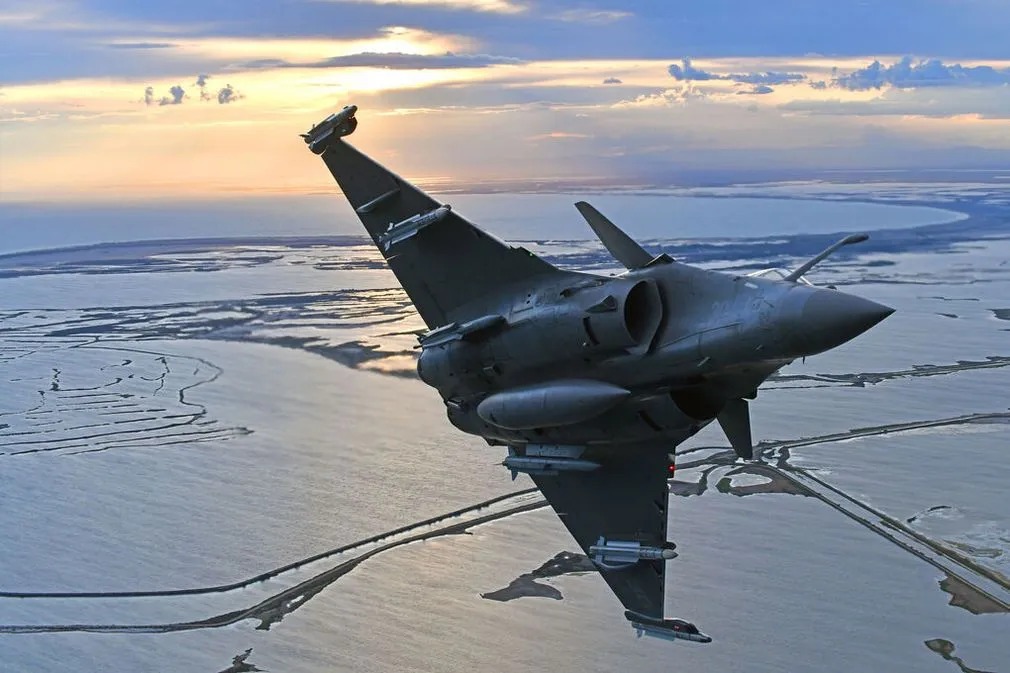
The UK and France have signed a memorandum of understanding to explore developing a successor to the Meteor beyond-visual-range air-to-air missile.
The 12-month study will examine new missile concepts, identify technologies for the next-generation weapon, and outline a development roadmap aligned with evolving threat environments.
The effort falls under the 2025 Lancaster House 2.0 treaty, which expands UK-France defense industrial cooperation and plans a joint office to coordinate missile programs, align requirements, and reduce duplication.
The partnership also envisions a new deep-strike weapon to succeed the SCALP/Storm Shadow cruise missile used by both countries.
“In a new era of threat, we are increasing co-operation with our friends and allies,” UK Minister for Defence Readiness and Industry Luke Pollard said.
“This agreement is a significant step forward in delivering on our Lancaster House 2.0 commitments, demonstrating the strength of our UK-France defence partnership.”
Meteor Successor
A beyond-visual-range air-to-air missile, Meteor’s throttleable solid-fuel ramjet enables sustained powered flight through much of its engagement.
The missile is widely regarded as having one of the largest no-escape zones among operational air-to-air missiles, enhancing effectiveness against agile targets.
The multinational program — led by MBDA and involving partners such as Airbus, BAE Systems, and Leonardo — was launched in the late 1990s to replace legacy radar-guided missiles that struggled against fast, maneuvering targets at long range.
However, evolving countermeasures and emerging systems such as China’s PL-17 highlight the need for a successor.
The move also follows broader next-generation missile programs, including the US AIM-260 Joint Advanced Tactical Missile, intended to replace the AIM-120 AMRAAM.