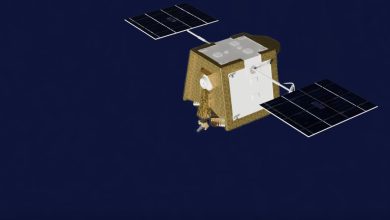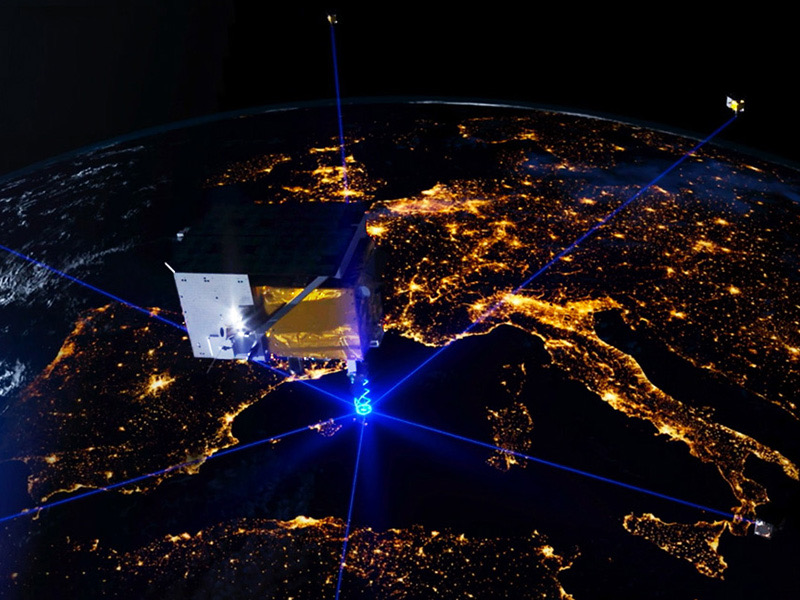
Loft Orbital and Magellium Artal Group have secured a multi-year contract from the French Space Agency to develop a next-generation Earth observation constellation under the France 2030 program.
Under the initiative, French institutional users are expected to gain faster access to Earth observation data alongside more frequent revisit coverage over monitored areas.
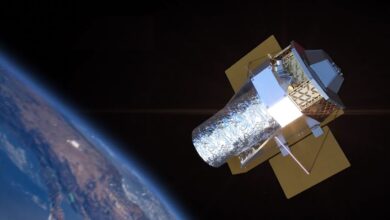
The first satellite is scheduled to launch by the end of this year, while the overall constellation is expected to include 10 satellites.
Designed for both civil and defense applications, the program will support missions such as maritime surveillance, disaster response, and environmental monitoring, aligning with broader European efforts to strengthen sovereign access to space-based intelligence.
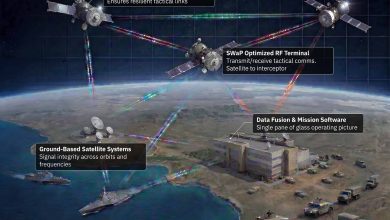
As part of the initiative, Magellium Artal Group will develop and operate a dedicated sovereign ground segment responsible for data processing and quality monitoring.
The infrastructure is intended to ensure that French institutional users maintain control over the data chain in line with national security and sovereignty requirements.
On-Orbit Data Fusion
The planned constellation will use a multi-sensor architecture combining optical, thermal infrared, hyperspectral, and radiofrequency sensors.
This configuration is designed to allow simultaneous collection of multiple layers of information from the same area, improving the detection and interpretation of activities, environmental changes, or anomalies.
Each satellite will also incorporate onboard computing systems capable of processing part of the collected data directly in orbit rather than transmitting all raw data to ground stations first.
The onboard processing architecture will use AI-based software models to filter information, identify relevant signals or changes, and accelerate the delivery of operational data, with Loft stating the system is designed to provide actionable intelligence within minutes.
Combined with persistent monitoring and rapid revisit capabilities, the systems are intended to increase observation frequency over areas of interest while reducing the delay between data collection and operational use.