The UK Ministry of Defence has contracted Teledyne Marine to supply autonomous underwater systems and related services to strengthen the Royal Navy’s undersea intelligence.
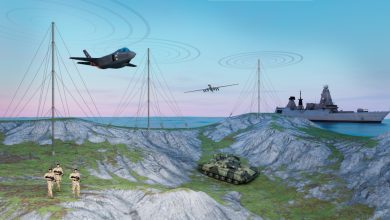
It supports Atlantic Bastion, an initiative launched in December 2025 that aims to form a hybrid naval force of crewed and uncrewed systems to protect critical undersea infrastructure against threats in the North Atlantic.
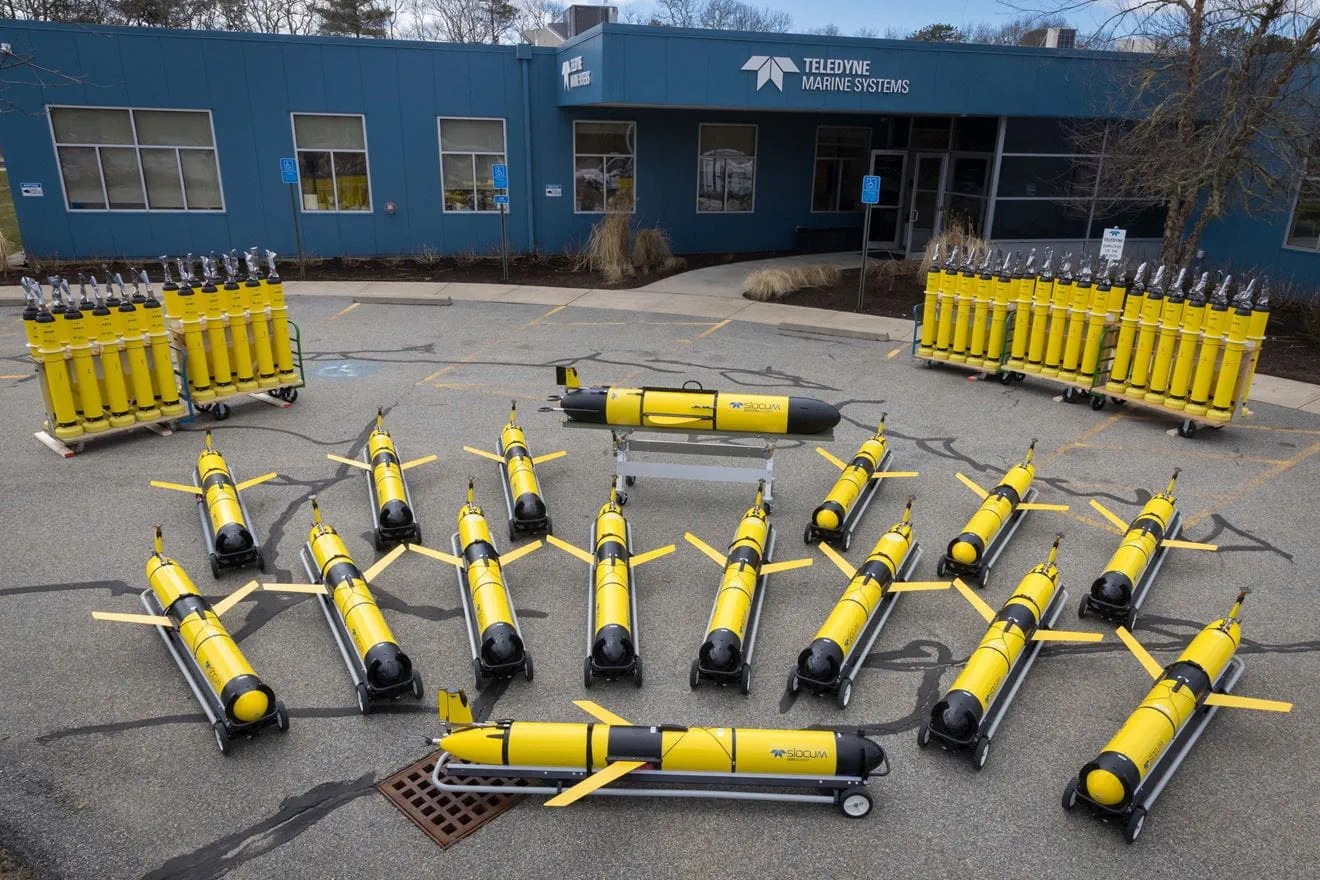
The contract, the amount of which is undisclosed, covers “numerous” autonomous ocean observing systems, including Slocum gliders and APEX floats, to support the Royal Navy’s oceanographic and environmental data collection capabilities.
The package is being delivered under the Future Maritime Data Gathering Persistent Oceanographic Data Collect program.
“As we take this forward under the First Sea Lord’s Hybrid Navy agenda, this capability will be delivered directly to front‑line Information Warfare Meteorological and Oceanographic Operators,” said Commander Mark Butcher.
As the navy has been using Slocum gliders since 2015, the service named Teledyne as “the only supplier able to guarantee seamless interoperability, security compliance, and mission readiness into the Current [Royal Navy] Glider Fleet.”
Teledyne Systems
The Slocum gliders and APEX floats are autonomous underwater systems designed for long-endurance oceanographic data collection.
Slocum comes in two variants: G3 is the standard glider, featuring a modular design that enables rapid sensor reconfiguration, while the Sentinel is an advanced, larger version with a 2-year endurance compared to its predecessor’s maximum of 18 months.
Meanwhile, APEX2 (Autonomous Profiling Explorer) floats are self-powered systems that drift with currents, rise and sink automatically to measure water temperature, salinity, and other data from deep underwater, with no ship, propeller, or human needed.