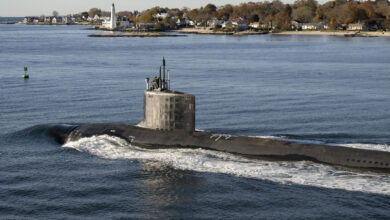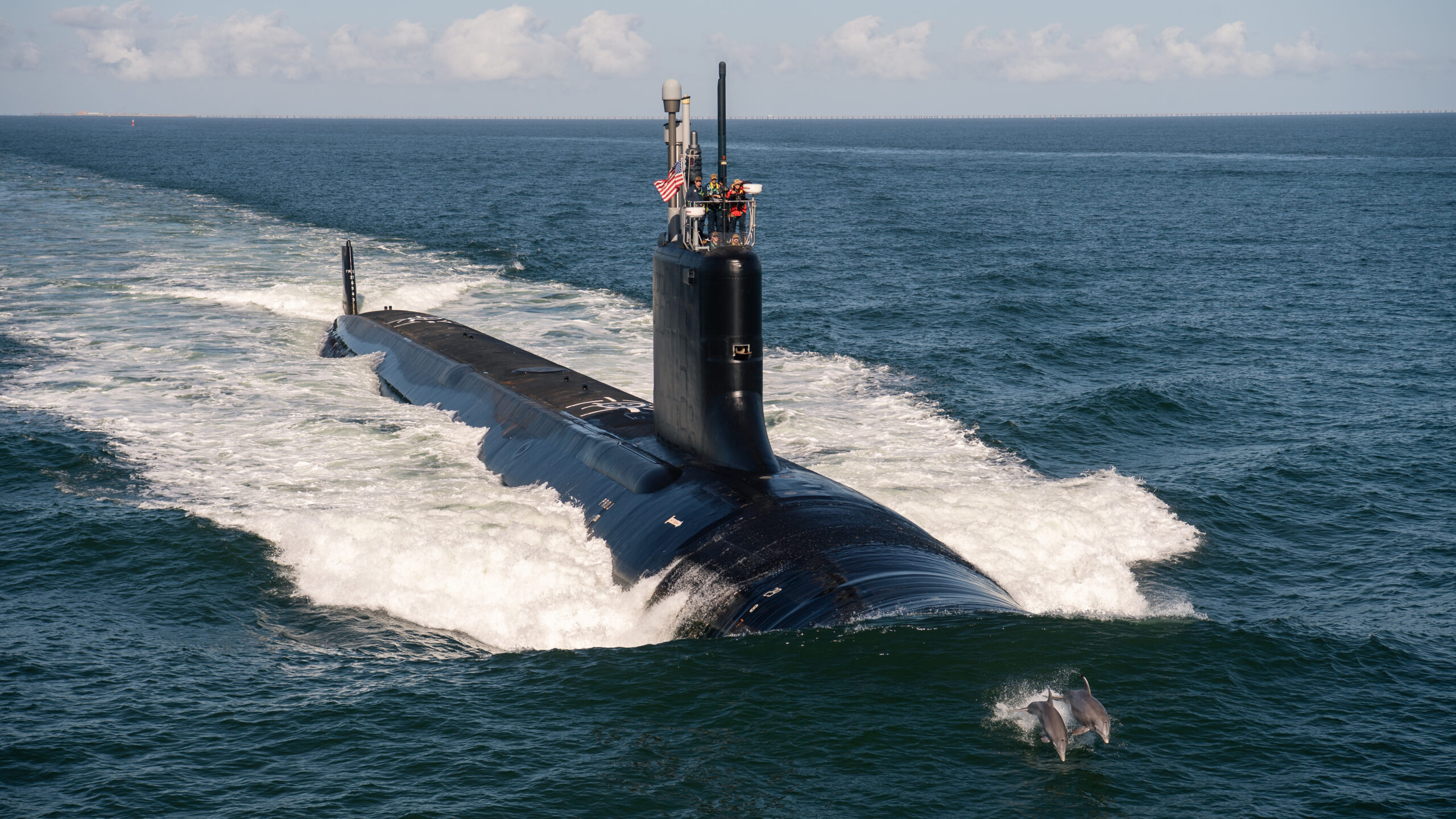
The US Navy has commissioned the 25th Virginia-class nuclear-powered attack submarine, USS Massachusetts (SSN-798), bolstering its undersea capabilities.
SSN-798 is the eighth vessel to bear the name of the state of Massachusetts, with the first two dating back to the early 1790s. Its immediate predecessor, USS Massachusetts (BB-59) — a South Dakota-class battleship commissioned in 1942 — took part in nearly every major Pacific campaign from 1943 to 1945.
Massachusetts is the seventh Block IV submarine built under a teaming agreement between General Dynamics Electric Boat and HII-Newport News Shipbuilding.
It is part of a $17.6-billion contract awarded in 2014 for 10 Block IV vessels, which incorporate enhancements to improve operational availability and reduce lifecycle costs.
While near-term plans often target a fleet of 48 Virginia-class submarines, US Navy leaders have consistently said operational demand exceeds that level.
Capabilities
Designed as a replacement for the aging Los Angeles-class submarine fleet, the Virginia class features improved subsea maneuverability, stealth, and firepower.
The submarines can perform a wide range of missions, including anti-submarine warfare, intelligence gathering, and precision strike operations using Tomahawk cruise missiles.
In addition to the Tomahawks, the vessels are armed with Harpoon anti-ship missiles and heavyweight Mk 48 torpedoes.
From later production blocks onward, the Virginia class features the Virginia Payload Module, increasing missile capacity while enabling integration of future weapons and unmanned systems.
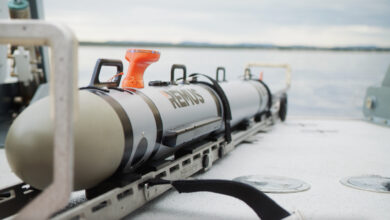
The submarines also support special operations, with lockout chambers for deploying divers and unmanned underwater vehicles on covert missions.
Features
Each Virginia-class submarine displaces about 7,800 tons, measures approximately 377 feet (115 meters) in length with a beam of 34 feet (10.3 meters), and can dive to depths exceeding 800 feet (244 meters). The vessels can reach speeds of around 25 knots (46 kilometers/29 miles per hour).
Powered by a nuclear reactor designed to last the lifetime of the ship without refueling, these submarines reduce maintenance demands while maximizing time spent on deployment.