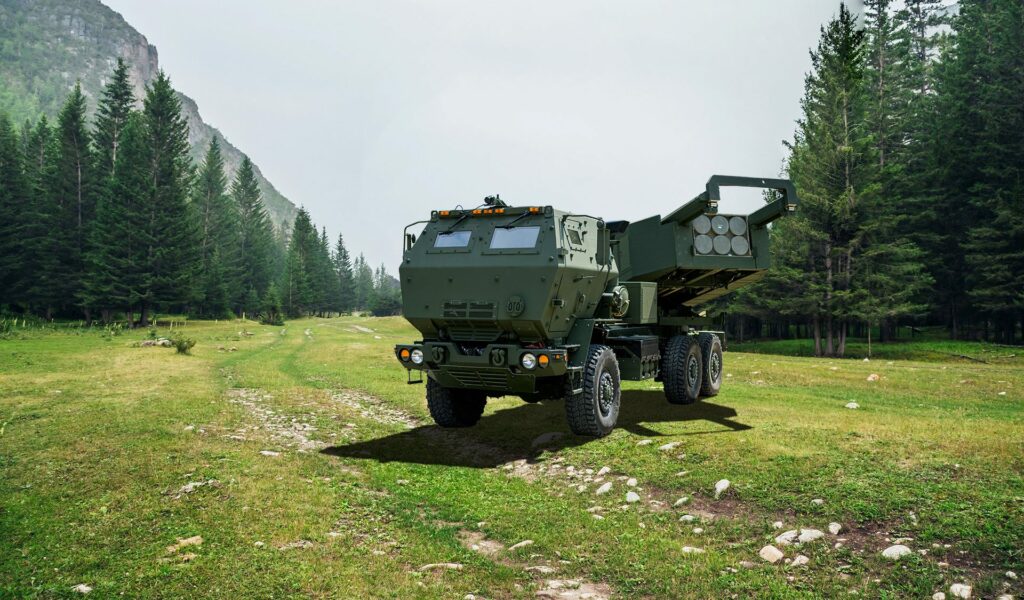
The Australian subsidiaries of Lockheed Martin and Rheinmetall are exploring in-country sustainment for Australia’s High Mobility Artillery Rocket System (HIMARS).
As Canberra acquires more of the powerful long-range missile launchers, the companies are assessing existing infrastructure and specialist skills to perform maintenance and sustainment work within the country, reducing reliance on overseas support.
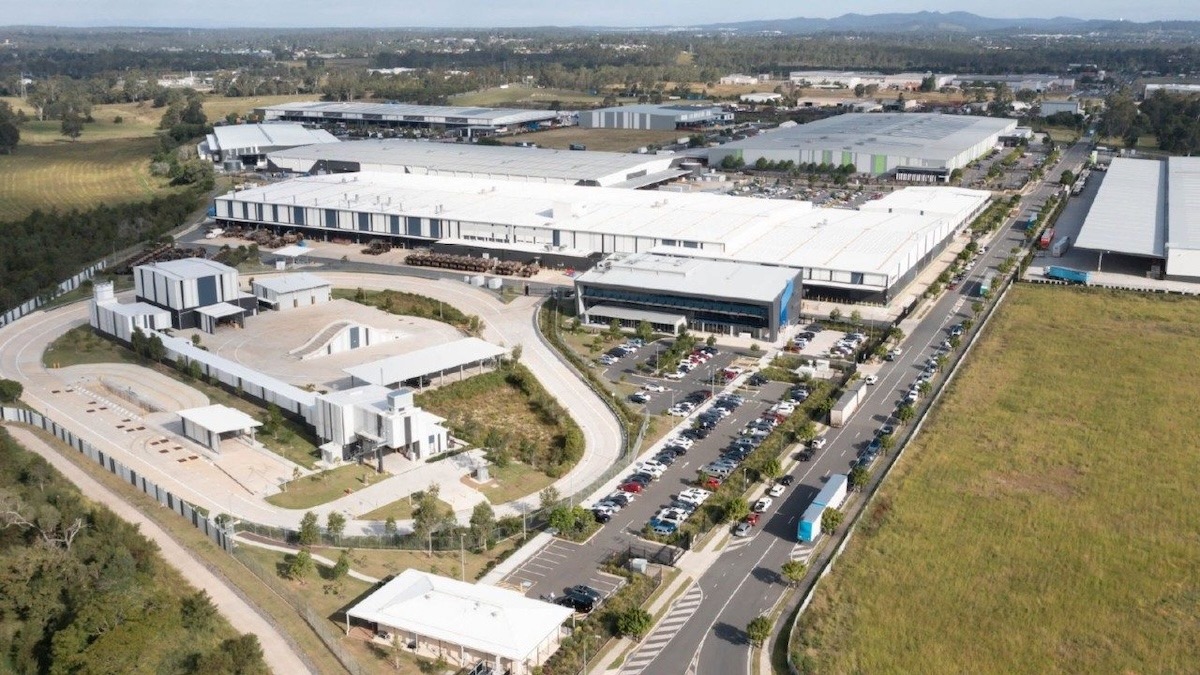
This includes exploring Rheinmetall’s Military Vehicle Centre of Excellence in Queensland, plus other sites in South Australia, as potential hubs for HIMARS repair and maintenance, technical work handling, and logistics and spare parts support.
Moreover, Lockheed aims to establish an Australia-based sustainment framework that opens opportunities for small and medium-sized local companies to participate, increases skilled employment, and contributes to regional economic activity.
Sovereign Capability
Developing a sovereign sustainment capability for the HIMARS would further enhance the Australian Defence Force’s readiness. The country already domestically produces HIMARS-launched Guided Multiple Launch Rocket System rockets at Lockheed’s Port Wakefield, South Australia weapons hub since December 2025.
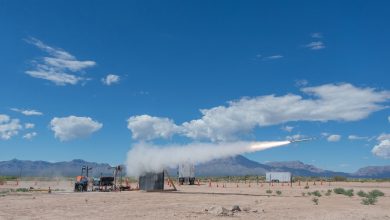
Australia is also pursuing future cooperation with the US to domestically produce the Precision Strike Missile (PrSM), also compatible with the HIMARS.
These initiatives align with the Australian government’s Sovereign Defence Industrial Priority 3, which highlights the importance of a capable and resilient domestic industrial base to support the design, generation, and sustainment of land platforms for the Australian Army.
HIMARS
The US approved Australia’s request to buy a total of 42 M142 HIMARS in 2023 and another 48 in 2025, which could bring the total to 90 if fully exercised.
Canberra received its first HIMARS in March 2025, boosting its long-range capabilities.