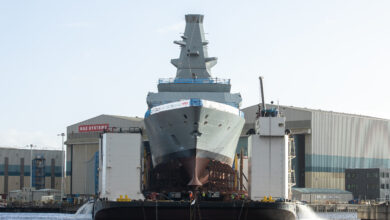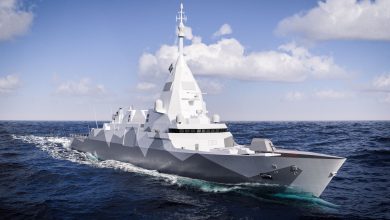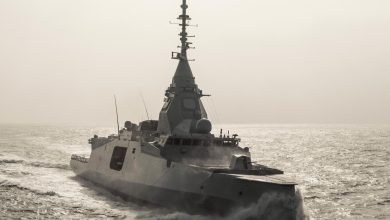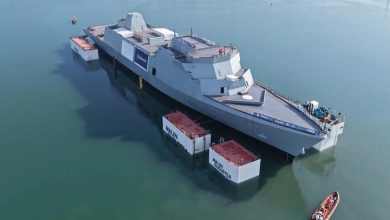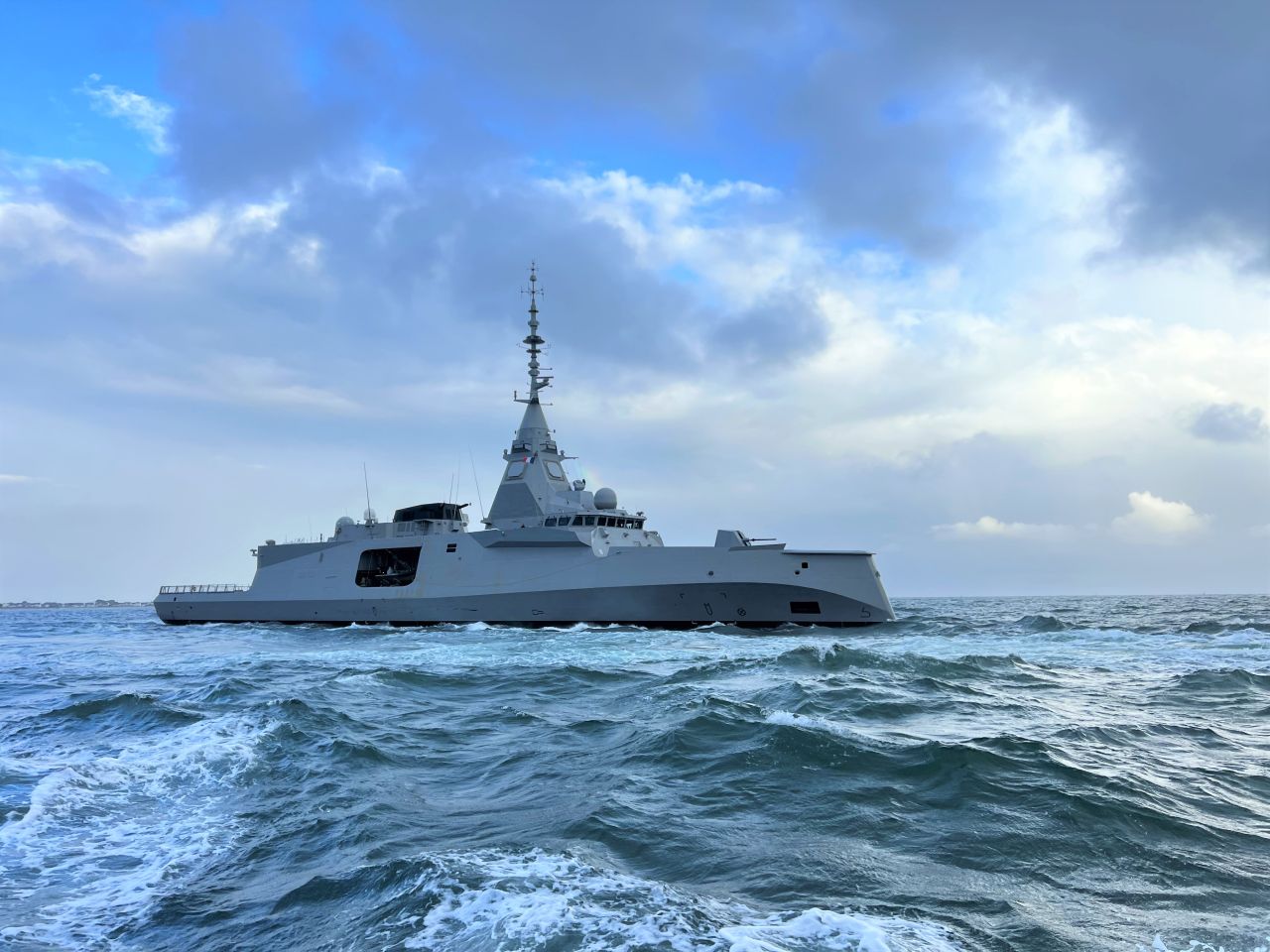
On a crisp morning at the Naval Group shipyard in Lorient, the first FDI frigate slid into the water, a symbol of France’s leap into next-generation naval warfare.
Sleek, digital, and mission-ready, the vessel is designed to detect threats faster, strike farther, and adapt in real time.
Dive into our guide to explore how the FDI frigate is redefining modern surface combat.

Origins and Development
The FDI program began in the mid‑2010s when France, seeking to modernize its surface fleet and replace aging frigates, initiated a next‑generation design emphasizing digital architecture and multi‑domain warfare.
The contract was awarded to Naval Group, with design and systems integration supported by partners like Thales and MBDA.
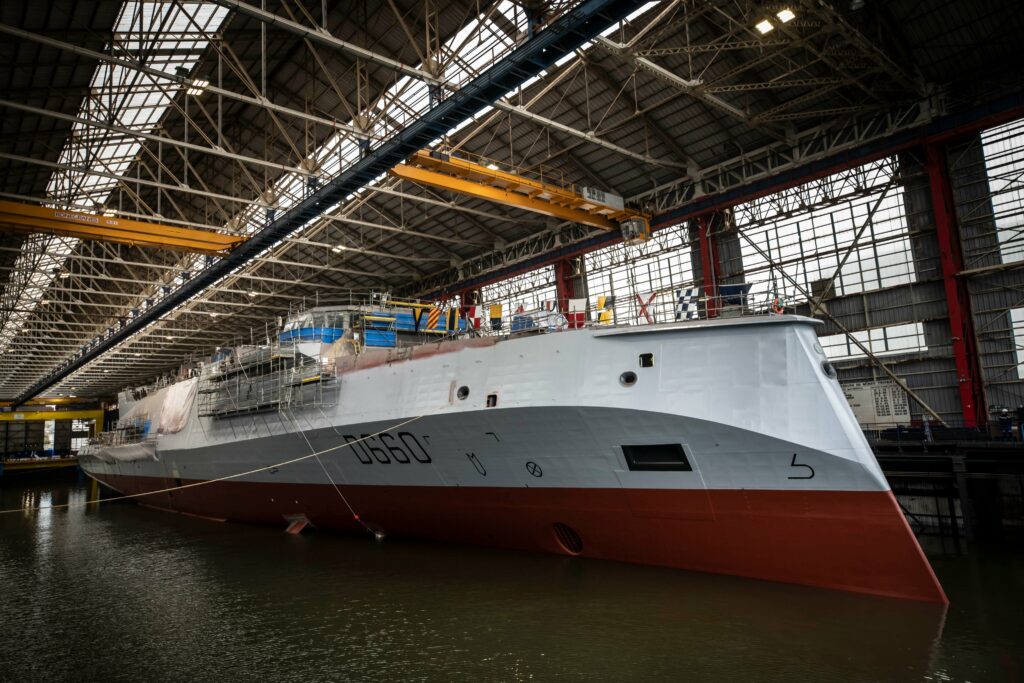
Construction for the first ship, Amiral Ronarc’h, began around 2020, with the keel laid in December 2021 and launch in late 2022.
After extensive sea trials, the lead ship was delivered to the French Navy in October 2025, marking the formal start of the FDI fleet’s operational integration.
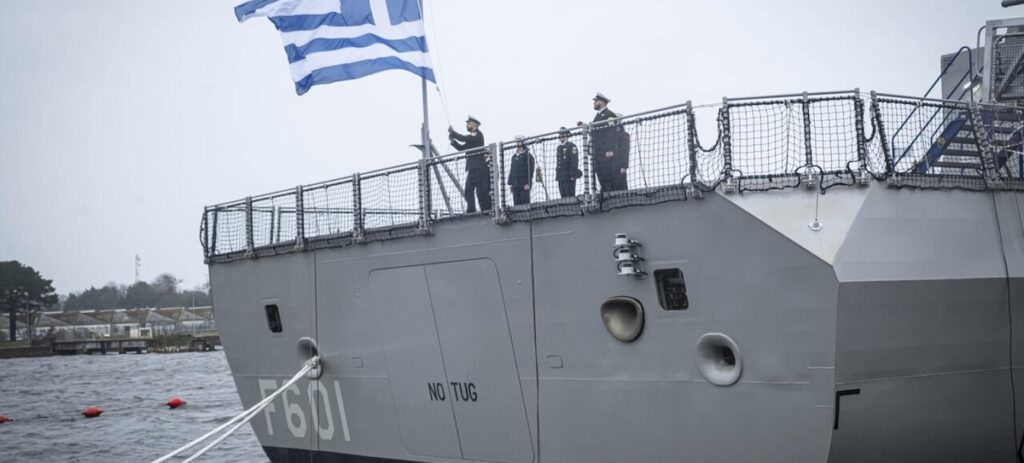
The FDI program is a key component of France’s naval modernization under the 2019 to 2025 military planning law, with a planned fleet for both the French Navy and export customers, including the Hellenic Navy.
| Category: | Details: |
| Displacement | ~4,500 tons |
| Length | ~122 meters (400 feet) |
| Beam | ~18 meters (59 feet) |
| Speed | 27 knots (31 miles/50 kilometers per hour) |
| Endurance | ~45 days |
| Crew | ~125 crew members |
| Air Defense | Aster 15/30 |
| Anti-Surface | Exocet MM40 Block 3C |
| Anti-Submarine | MU90 torpedoes |
Variants and Export Models
| Variant: | Customer: | Notes: |
| Amiral Ronarc’h class | France | Baseline configuration with 16 Sylver A50 VLS cells for surface‑to‑air missiles; powerful multi‑mission suite |
| Kimon class | Greece | Export model featuring expanded VLS capacity (32 Aster missiles) and enhanced defensive suites to meet Hellenic requirements |
Export interest has grown, and variants tailored for navies in Saudi Arabia, Sweden, Indonesia, Denmark, and Portugal have been proposed with optional launch systems and enhanced payloads.
How It Works: Key Systems and Capabilities
Digital Architecture and Combat Integration
At its core, the FDI’s strength is its native digital architecture, which allows continuous software upgrades and expanded mission capacities without major physical retrofits.
Virtualized data centers and integrated data flows provide the ship with exceptional flexibility for sensor fusion and threat response. This is also the first French frigate designed from the outset to be cyber‑resilient.
Sensors and Situational Awareness
- Sea Fire AESA radar: A fully digital, 360-degree active electronically scanned array (AESA) radar provides comprehensive air and surface tracking across all frequency bands.
- Sonar suite: Hull‑mounted and variable‑depth sonars enable anti‑submarine warfare (ASW) and undersea domain awareness.
- Electronic warfare and PSIM: The Panoramic Sensor and Intelligence Module (PSIM) integrates radar, electronic support, and communications to enable layered situational awareness and countermeasure deployment.
Weapons and Firepower
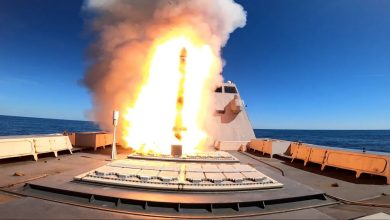
- Anti‑air: Aster 15 and Aster 30 missiles via Sylver VLS provide self‑defense and area suppression.
- Anti-surface: Exocet MM40 Block 3C anti‑ship missiles and remote 20 mm weapons.
- Anti‑submarine: MU90 lightweight torpedoes and ASW systems.
- Naval gun: A 76mm main gun supports surface engagements.
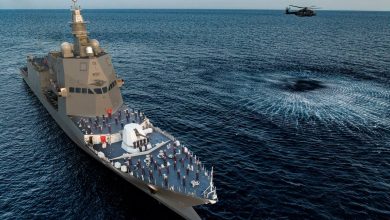
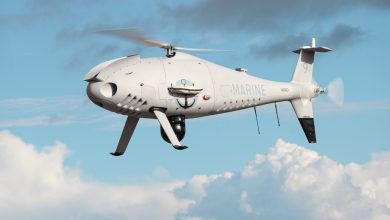
- Air and special forces assets: Hangar and flight deck support medium helicopters (such as the NH90) and drones; accommodation for special forces.
Strengths
- Multi‑domain warfare: Simultaneous capability across anti‑air, anti‑surface, and ASW roles.
- Digital evolvability: Software‑centric systems allow rapid adaptation to emerging threats.
- Cyber resilience: Built‑in protections and redundant data centers enhance survivability against network attacks.
Limitations
- VLS capacity constraints: Baseline French configuration carries 16 VLS cells, less than some larger frigates; upgrades are underway.
- Weight class: At ~4,500 tons, the FDI is smaller than destroyers, which can limit endurance and missile payload without expansion systems.
Operational Use and Global Deployment
The first FDI, Amiral Ronarc’h, entered service in 2025, replacing older La Fayette‑class frigates and bolstering the French Navy’s surface combat capabilities in high‑intensity and littoral operations.
Greece is receiving its own units tailored to the complex Aegean environment, with expanded area-defense capabilities.
Interoperability with NATO task forces and allied navies enhances coalition operations, including air defense coordination and anti‑submarine task-group operations.
Future Outlook
The FDI program is set to expand through the late 2020s and into the 2030s, with additional hulls entering service for France and export partners.
Naval Group is also exploring next‑generation launch systems to significantly increase missile capacity, potentially quadrupling onboard air defense payloads without reducing other mission areas.
As surface threats evolve, especially from supersonic missiles, unmanned systems, and cyber attacks, the FDI’s digital backbone positions it as a platform capable of incremental upgrades that keep it relevant well into the mid‑century.