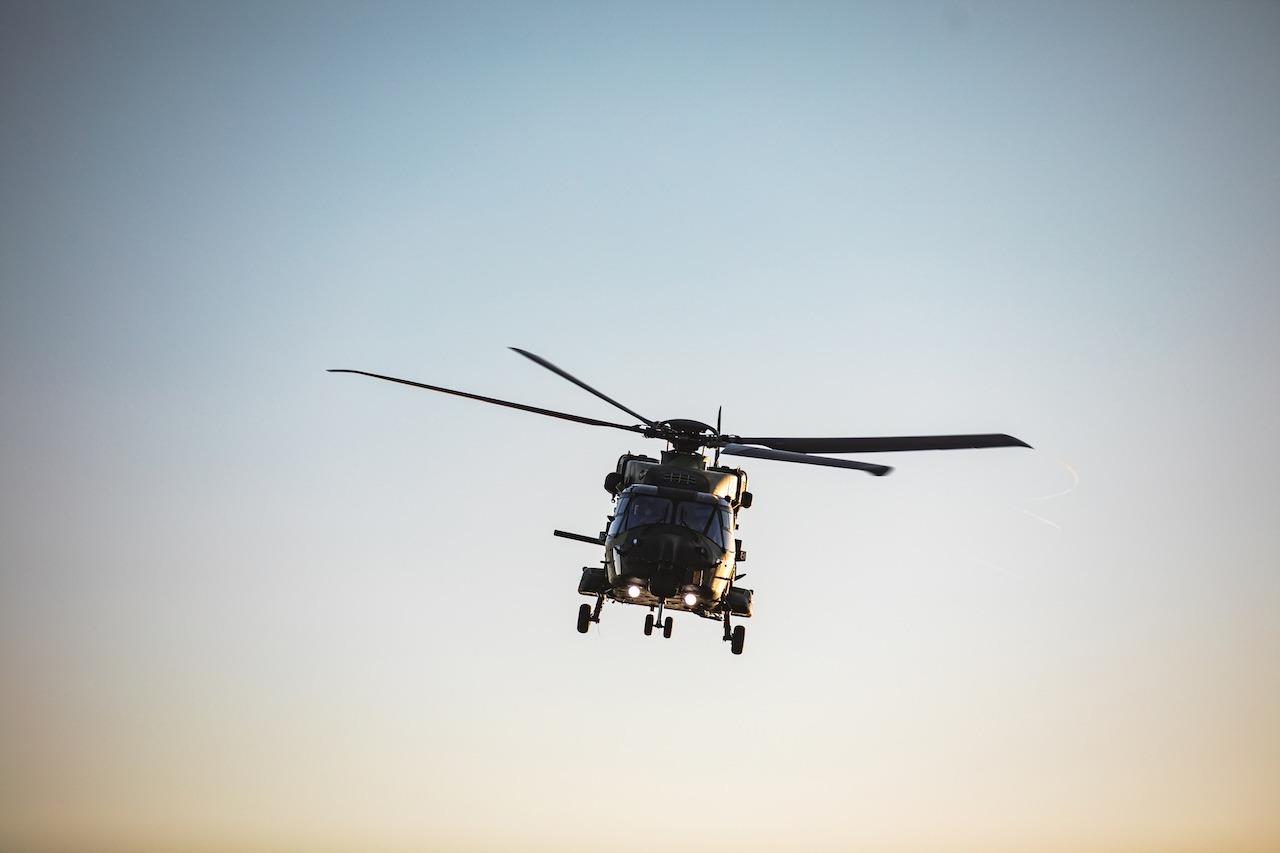
From stormy seas to dusty forward bases, military planners across Europe needed a modern helicopter that could ferry troops, carry cargo, insert special forces, hunt submarines, or rescue civilians in disaster zones.
The result was the NH90, a European‑designed medium‑lift rotorcraft whose twin engines, advanced avionics, and modular cabin have made it one of the most versatile helicopters in service today.
Read on to explore what the NH90 is, how it came to be, how it works, where it’s been used globally, and what lies ahead for this multirole platform.
Understanding the NH90
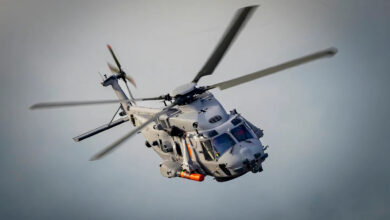
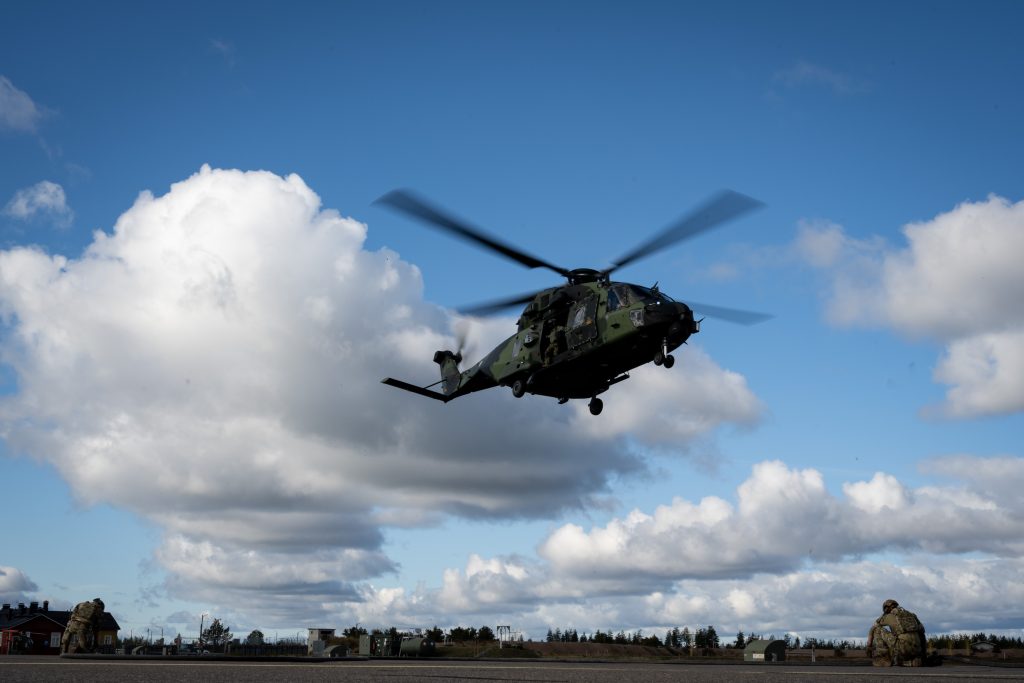
The NH90 is a twin‑engine, medium‑sized military helicopter developed under a multinational European program to meet NATO requirements for a split‑role rotorcraft capable of both land and maritime operations.
It’s manufactured by NHIndustries, a consortium led by Airbus Helicopters, Leonardo Helicopters, and GKN Fokker Aerostructures.
Since its first prototype flight in December 1995 and entry into service in 2007, the NH90 has become one of the most widely deployed modern military helicopters, with over 600 units produced for NATO and partner nations.
How the NH90 Came to Be
In the early 1990s, NATO needed a helicopter that could replace older utility and transport platforms while harmonizing fleet commonality across allied nations.
The goal was a helicopter that could be easily deployed in land and sea environments with high interoperability.
The resulting project brought together European industrial strengths to design, build, and support a common helicopter family.
NHIndustries was formed to lead the development and production. Each partner brought unique expertise: Airbus in rotorcraft systems and avionics integration, Leonardo in airborne systems and mission equipment, and Fokker in composite structures.
Production and assembly were coordinated across multiple member nations.
Inside the Cockpit: How the NH90 Operates
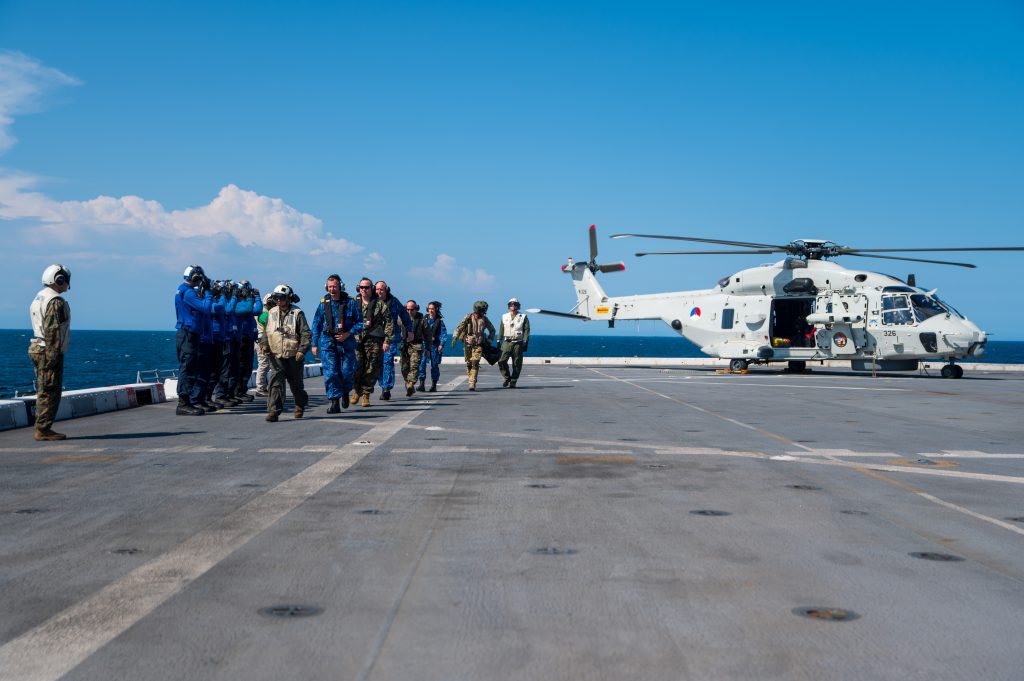
The NH90 features a digital fly‑by‑wire flight control system that reduces pilot workload and enhances safety, especially during demanding missions over the sea or rugged terrain.
Its composite airframe and four‑blade rotor provide an optimized weight‑to‑strength ratio and lower radar signature.
Variants for Different Roles
The helicopter is available in two primary configurations:
- Tactical Transport Helicopter (TTH): Designed for battlefield mobility, troop transport (typically up to ~20 troops), troop insertion/extraction, medical evacuation, cargo lift, and special operations.
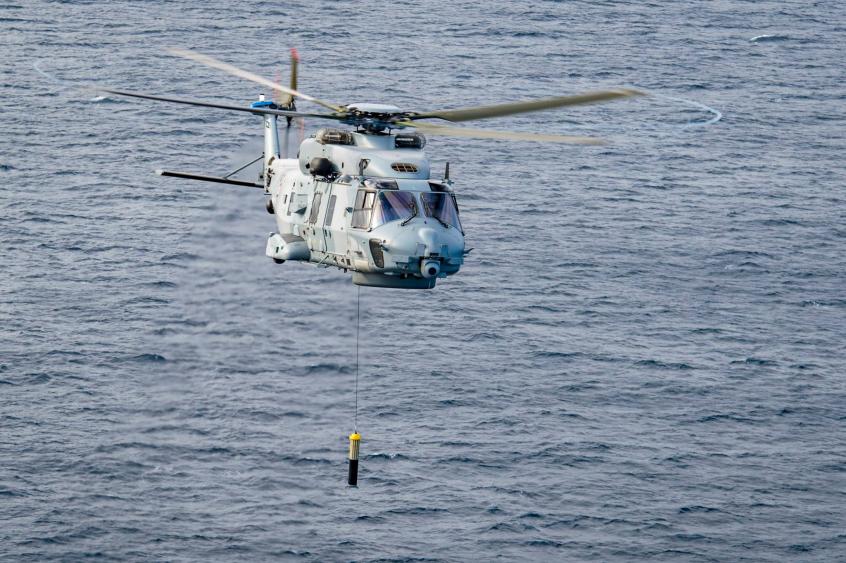
- NATO Frigate Helicopter (NFH): Maritime optimized with sensors, sonar, and weapons for anti‑submarine and anti‑surface warfare missions, as well as naval search and rescue.
Both versions share a common core architecture, simplifying training, maintenance, and logistics across fleets.
Strengths
- Multirole adaptability: The NH90 supports troop transport, anti-submarine warfare, logistics, medevac, and search and rescue within a single aircraft family.
- Modern avionics suite: Built‑in digital systems and night vision goggles-compatible interfaces improve mission effectiveness in all weather, day or night.
- Composite airframe: Reduces weight while enhancing corrosion resistance (especially useful for maritime operations).
- Global interoperability: Designed to NATO specifications, it operates with allied forces in joint missions seamlessly.
Limitations
- Development and maintenance challenges: The program has faced delays, higher costs, and varying operational readiness across users, leading some nations to cancel or reduce orders.
- Complex logistics footprint: The breadth of variants and nation‑specific configurations has complicated spare parts and support chains.
- Operational costs: High maintenance demands and tech sophistication can result in higher cost per flight hour compared with simpler helicopters.
Where and How It’s Been Used Globally
The NH90 serves in numerous NATO and allied air and naval forces, including those of France, Italy, Germany, the Netherlands, Spain, and New Zealand.
Worldwide, it has been used for amphibious troop transport, maritime patrol, anti-submarine warfare missions aboard frigates, special operations support, humanitarian relief, and search‑and‑rescue tasks.
Operators such as the Royal Netherlands Navy deploy NH90 NFH helicopters from frigates to hunt submarines in the North Atlantic, significantly enhancing naval detection capabilities.
Spain recently received NH90s across all three military branches, demonstrating the aircraft’s versatility and growing role in joint force aviation.
The NH90’s Continual Evolution
NATO and NHIndustries have launched Block 1 and Block 2 upgrade programs totaling hundreds of millions of euros to extend service life and introduce new capabilities.
These include enhanced communications, advanced aperture systems, and weapons integration, ensuring relevance through the 2040s and beyond.
With life‑extension plans targeting a 50‑year service horizon, modernization efforts focus on beyond‑line‑of‑sight datalinks, improved identification friend or foe systems, enhanced survivability, and mission modularity.
Despite program challenges, the NH90 remains a major component of allied rotary‑wing aviation, adapting to evolving mission sets while supporting multinational interoperability and capability growth.