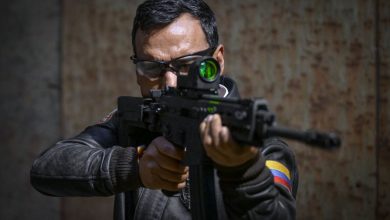
The US Marine Corps has confirmed it will not field the Sig Sauer M7 assault rifle, steering away from a potential adoption in partnership with the US Army.
This decision leaves the service operating its M27 Infantry Automatic Rifle (IAR) due to its proven effectiveness in amphibious deployments, a spokesperson told Task & Purpose.
The integration is part of the ongoing Next Generation Squad Weapon (NGSW) to replace the army’s M4A1 rifles and M249 light machine guns, an effort in which the corps and special operations forces can opt in.
“The Marine Corps will retain the M27 for our close combat formations as it best aligns with our unique service requirements … and distinct modernization priorities, while ensuring seamless interoperability across the Joint force and with coalition partners,” the spokesperson explained.
The unnamed source added that the marines will keep track of the M7’s development to inform future decisions, noting that the service regularly reviews equipment against its expeditionary needs.
The M27 IAR
The M27 IAR, based on the Heckler & Koch HK146 5.56×45-millimeter NATO rifle, first saw action in Afghanistan in 2011.
The US Marine Corps initially introduced it to replace its M249, designated in service as the Squad Automatic Weapon, before expanding it across rifle squads.
M27 has a rate of fire of up to 900 rounds per minute and a range of up to 600 meters (1,967 feet).
The M7 NGSW
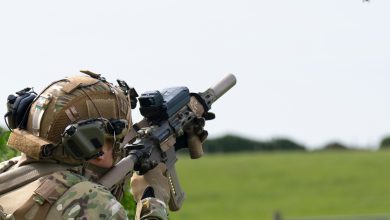
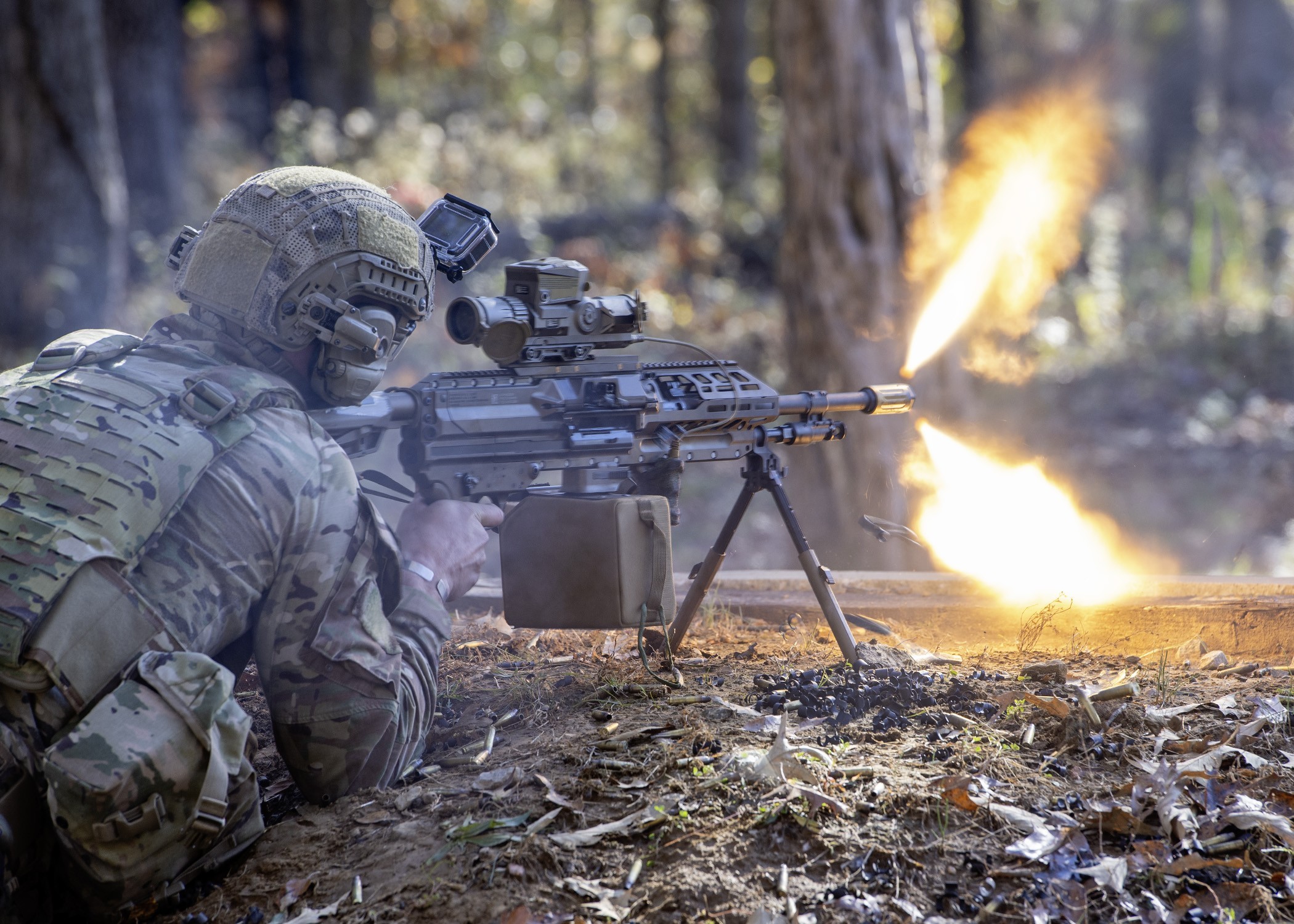
Meanwhile, the US Army’s new M7 NGSW and its companion M250 fire a 6.8-millimeter round designed to increase range and lethality over the long-serving 5.56-millimeter cartridge.
Brig. Gen. Phil Kinniery, commanding officer at the Army Infantry School and director for the Soldier Lethality Cross Functional Team at Fort Benning, Georgia, previously said the 6.8-millimeter round “stops the enemy at one round versus having to shoot multiple rounds at the enemy to get them to stop.”
Similar to the M27, the M7 has a maximum firing rate of 900 shells per minute, with a range of over 700 meters (2,297 feet).