Saab said it is ready to partner with Germany on a future fighter aircraft, positioning itself as an alternative as doubts persist over Europe’s flagship next-generation air combat plans.
In an interview with German newspaper Frankfurter Allgemeine Zeitung, Saab CEO Micael Johansson framed the offer against the backdrop of a Europe still struggling to move fast enough on defense modernization nearly four years after Russia’s invasion of Ukraine.
While ammunition stocks have improved and deterrence has strengthened, Johansson argued that Europe — Germany included — needs to accelerate procurement and pivot more decisively toward new technologies such as drones, missile defense, and advanced air systems.
Germany, which Johansson described as a key European market for the Swedish firm, has been both a long-term partner and a tough competitor. Saab has worked with the German armed forces for more than four decades and already collaborates closely with firms such as Diehl Defence.
In this context, Johansson said Saab would be open to working with Airbus Defence on a joint fighter jet if Berlin were to change course on its current Future Combat Air System (FCAS) ambitions with France.
Saab, he stressed, has the capabilities to contribute meaningfully — but only with clear political commitments and on the condition that Sweden retains its ability to independently design and build combat aircraft.
What the FCAS Program Is
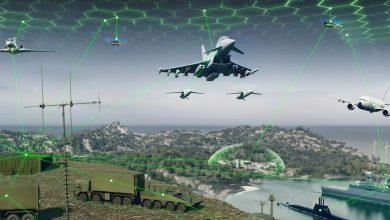
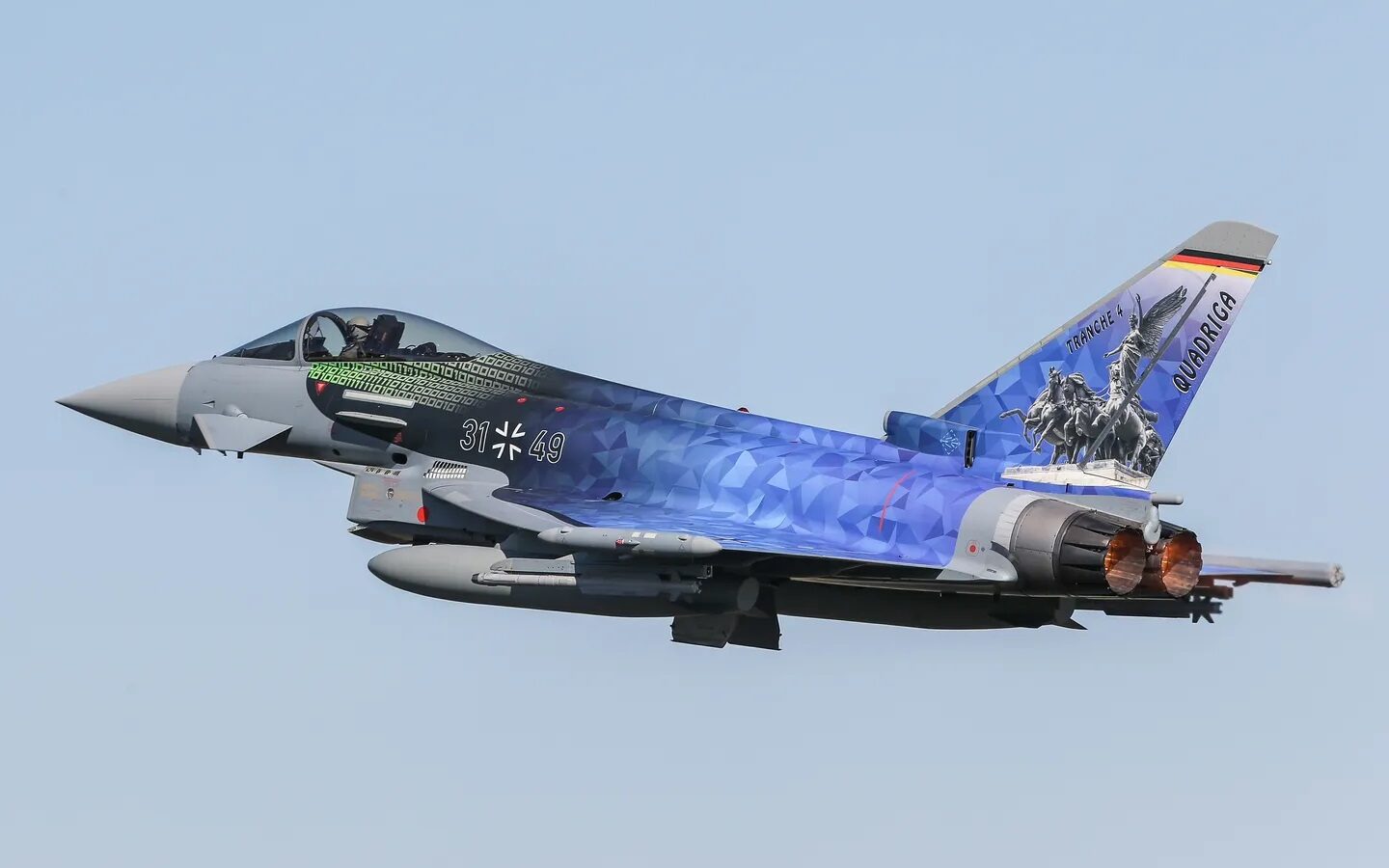
FCAS is Europe’s most ambitious airpower program, led by France, Germany, and Spain, and centered on a sixth-generation fighter aircraft supported by unmanned “remote carriers,” advanced sensors, and a secure combat cloud.
The manned fighter, known as the New Generation Fighter, is being developed primarily by Dassault Aviation and Airbus Defence, with first operational capability targeted for around 2040.
Progress, however, has been uneven. Industrial disputes — particularly over leadership roles, intellectual property, and workshare — have repeatedly delayed development phases.
These frictions have fueled speculation that Germany may eventually seek alternative or complementary paths to ensure it fields next-generation air combat capabilities on time.