The future of Europe’s Future Combat Air System (FCAS) is at risk as tensions between Germany and France escalate over how the 100 billion euro ($117 billion) program should be divided.
A Politico report cited officials saying Berlin is considering distancing itself from Paris due to disputes over workshare and governance.
The French side is reportedly seeking up to 80 percent of the workload for the New Generation Fighter segment, the centerpiece of the program. German companies argue this undermines the original agreement to balance contributions among France, Germany, and Spain.
FCAS, launched in 2017, is envisioned as Europe’s most advanced defense project designed to ensure military autonomy and reduce reliance on US technology.
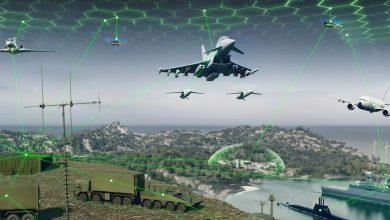
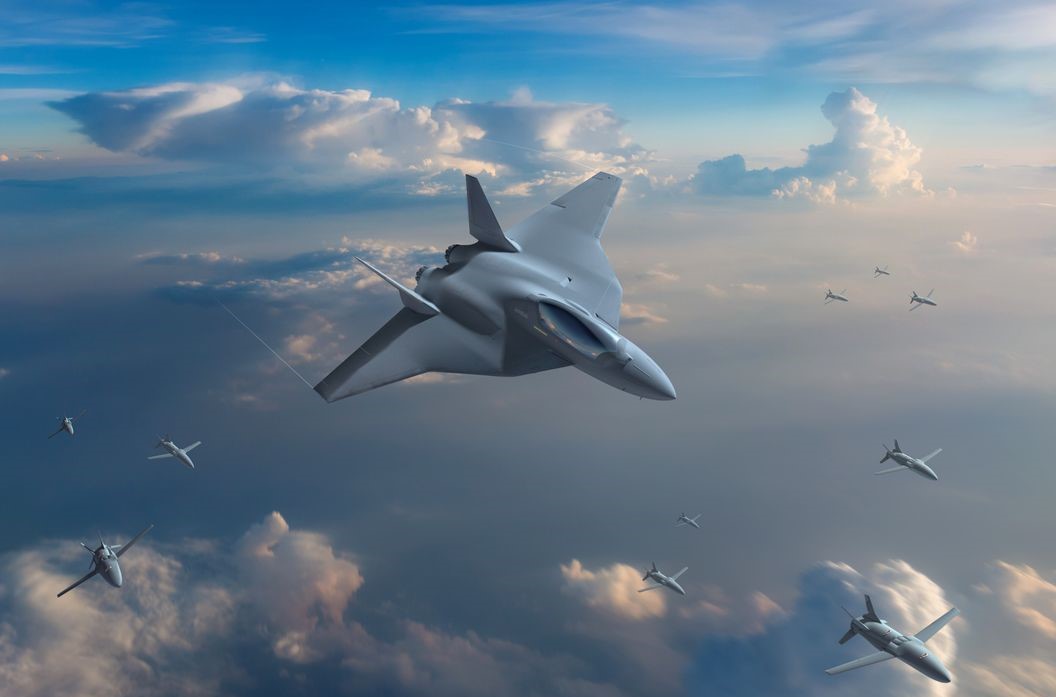
The program aims to deliver a sixth-generation fighter jet supported by drones, advanced weapons, and a digital “combat cloud” linking air, land, sea, and space assets. It is intended to replace France’s Rafales and Germany’s and Spain’s Eurofighter Typhoons by 2040.
Germany, Spain: Original Deal Must Be Respected
The German Defense Ministry allegedly raised these issues in a meeting with Airbus, which leads the country’s FCAS program. The ministry also indicated it was exploring closer cooperation with Sweden or the UK, or even a bilateral partnership with Spain.
German Chancellor Friedrich Merz’s spokesperson Stefan Kornelius stressed that the trilateral deal must be respected, warning disputes could derail progress.
“The distribution of burdens and work in this armaments project must be carried out in accordance with the contract,” he said, adding there is “no dissent” between Germany and Spain.
Spanish Prime Minister Pedro Sánchez echoed this stance, stating that Spain’s interest in this project is “genuine, it is total, it is absolute, but of course on the conditions that had been agreed in advance by the three countries.”
The dispute comes at a sensitive moment for Europe’s defense ambitions. Russia’s war in Ukraine has pushed NATO members to boost spending and accelerate modernization, with next-generation fighter programs seen as critical to countering advanced adversaries.