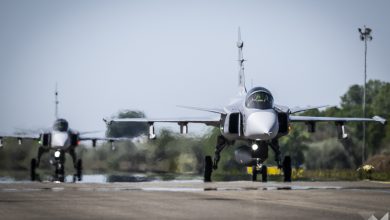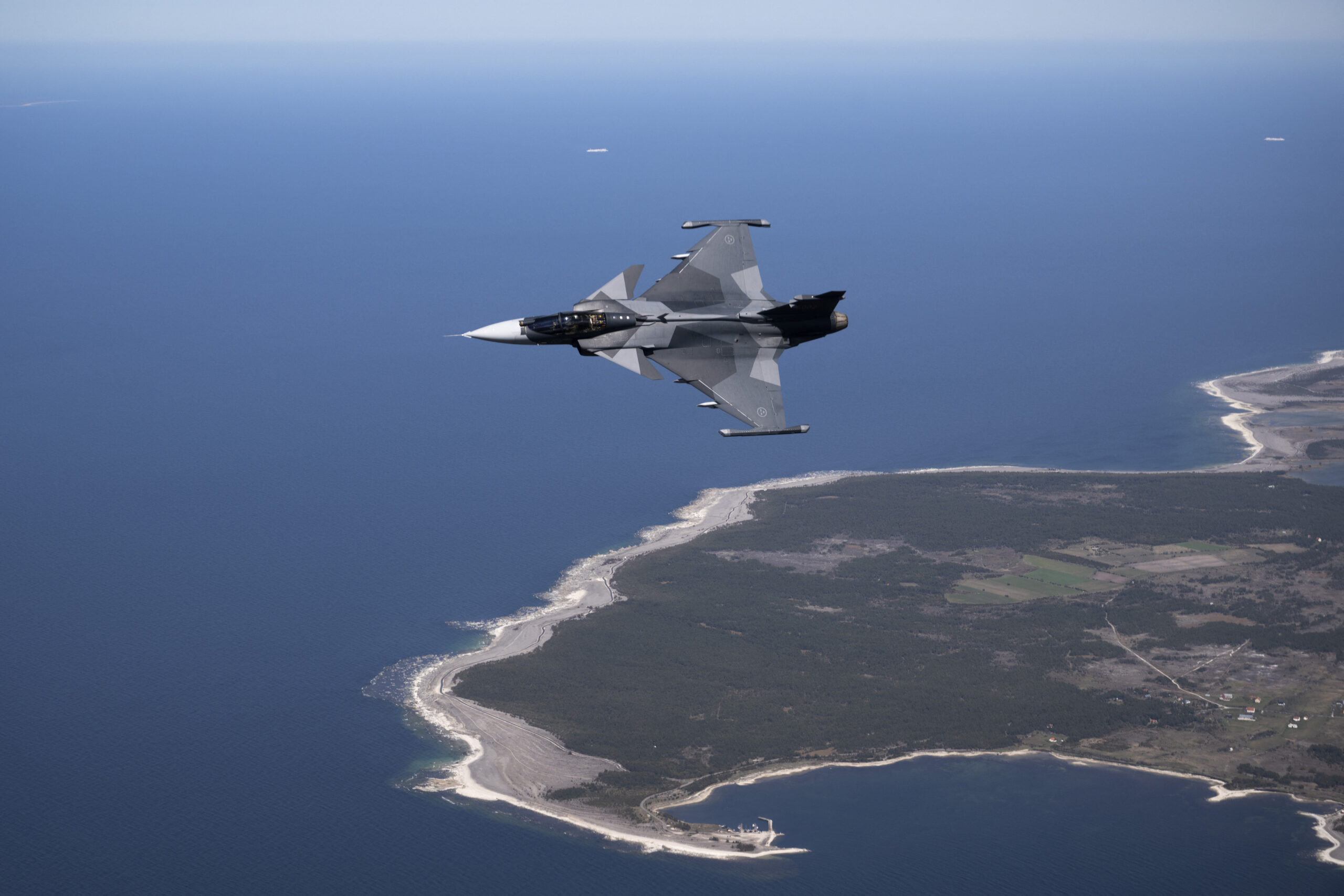
Saab has received a 2.5-billion Swedish krona ($270 million) order from the Swedish Defence Materiel Administration to fund development work on the Gripen fighter system through 2028.
The contract covers operation and support of test aircraft, as well as advanced development tools such as rigs and simulators. These resources allow Saab to verify and validate existing capabilities while testing upgrades, ensuring the Gripen system can adapt to emerging threats.
Lars Tossman, head of Saab’s Aeronautics business area, said the order provides advanced tools that are “easy to operate, efficient to maintain, and fast to configure,” helping the Gripen system evolve continuously.
Saab has emphasized that maintaining a robust test and simulation infrastructure is critical to keeping the Gripen competitive in modern air combat scenarios.
The development work funded by this order includes integration of new avionics, weapons, and sensor capabilities, as well as operational improvements identified through flight testing.
Gripen System’s Global Footprint
The Gripen system is a multi-role fighter designed for both air-to-air and air-to-ground missions. It is built to operate with high agility, advanced avionics, and networked sensor integration, allowing operators to share data in real time and maintain situational awareness.
The Gripen system has been adopted by several countries beyond Sweden. Brazil operates the Gripen E, which forms the backbone of its fighter modernization program.
Other customers include the Czech Republic, Hungary, and Colombia. These countries have invested in radar, avionics, and weapons upgrades in recent years to keep their fleets interoperable with global standards.
South Africa is another operator, using the C/D variant. Its fleet benefits from Saab-led modernization efforts, including software updates, radar improvements, and integration of precision-guided munitions.