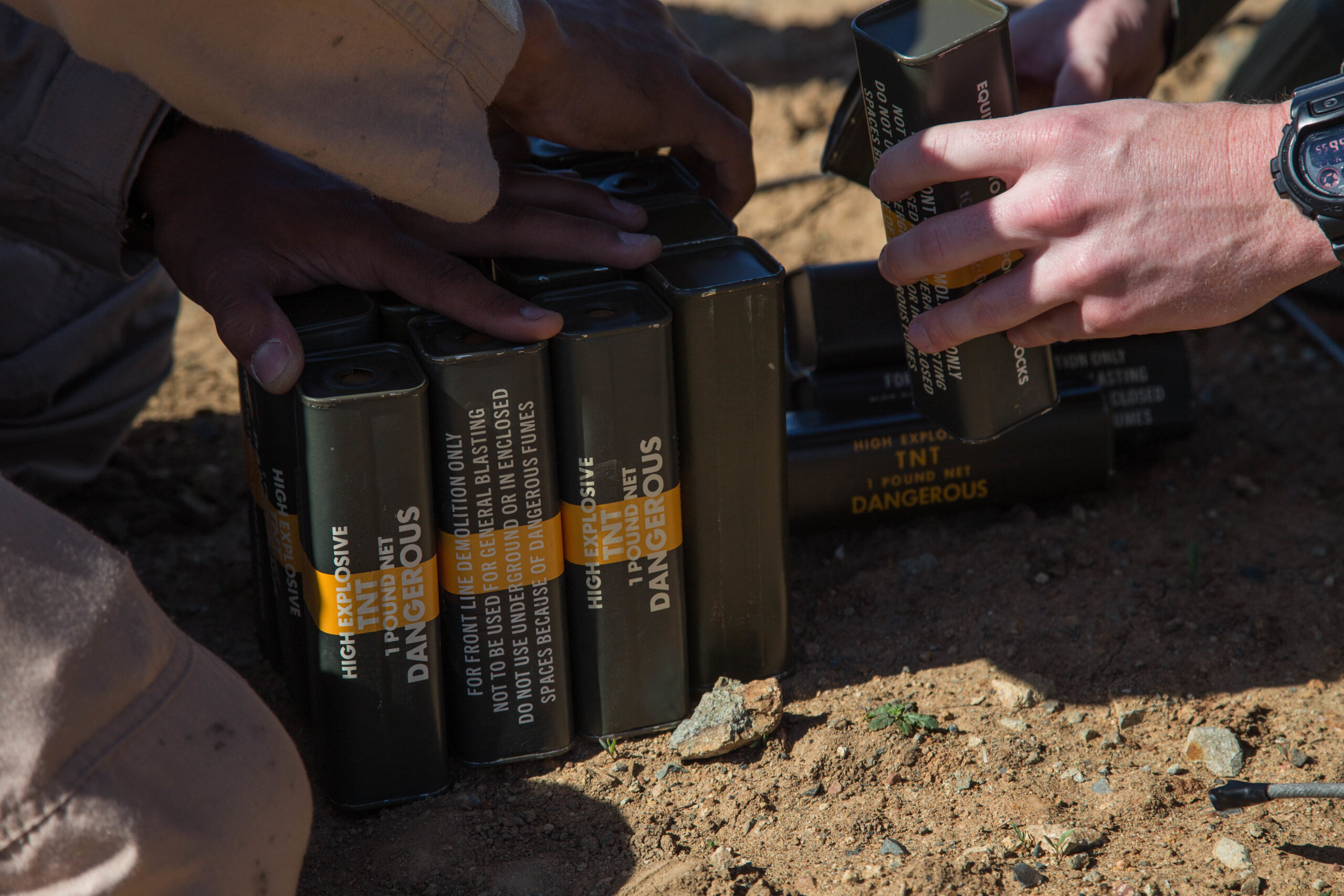
Sweden’s Land and Environmental Court has granted Sweden Ballistics (SWEBAL) a permit to build a TNT production facility, set to be Europe’s first new TNT plant since the Cold War.
The defense startup will begin construction of its Nora-based facility in 2026, targeting full-scale annual production of up to 4,500 metric tons of TNT by 2028.
The factory and parking lot will span 3 acres (1.21 hectares). SWEBAL has an option to buy around 60 acres (24 hectares) of the surrounding forest, to ensure that there are no neighbors in close proximity that could be affected by noise pollution or accidental blasts, SWEBAL’s construction manager Sebastian Reismer informed Business Insider.
Set to operate 24 hours daily, the TNT plant will adopt a “continuous nitration” production process and source materials and equipment within a 550-kilometer (311-mile) radius around the Baltic Sea.
SWEBAL’s co-founder and CEO Joakim Sjöblom described the approval as “a fundamental shift in Europe’s ability to secure its own defence supply chain. To achieve true security of supply, we must bring every part of the chain – not just assembly – back inside Europe and inside NATO territory.”
This approval follows 3 million euros ($3.45 million) in funding raised to fast-track construction, with the initiative backed by Sweden’s ex-army chief Maj. General Karl Engelbrektson, e-commerce entrepreneur Pär Svärdson, and private equity firm EQT founding member and former CEO Thomas von Koch.
TNT by Europe, for Europe
Europe’s TNT supply has become a focus as the ongoing war in Ukraine drives demand for munitions, leading to new production initiatives.
Poland’s Nitro-Chem currently dominates Europe’s TNT production, with most remaining supplies sourced from Asian producers such as India and China.
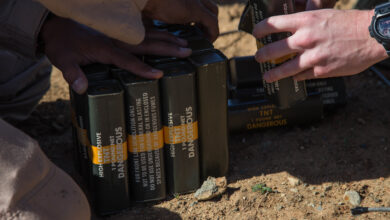
The hazards associated with producing NATO‑standard TNT — including high toxicity during manufacturing and the risk of accidental detonation — have discouraged wider production in Europe.
However, the volatile security environment has made securing a reliable domestic supply a priority, as TNT is a key component in bombs, grenades, and artillery shells.
To mitigate risks for the SWEBAL factory’s soon-to-be employees, the company plans to limit human presence to just two areas: the final product testing laboratory and a fortified control room.
Meanwhile, Sjöblom said the facility is envisioned to have a “completely automated” manufacturing process.
Once operational, SWEBAL’s facility is expected to help close a persistent gap in the continent’s explosives supply, alongside Finland’s planned TNT production site announced in February and a Czech-Greek TNT factory.