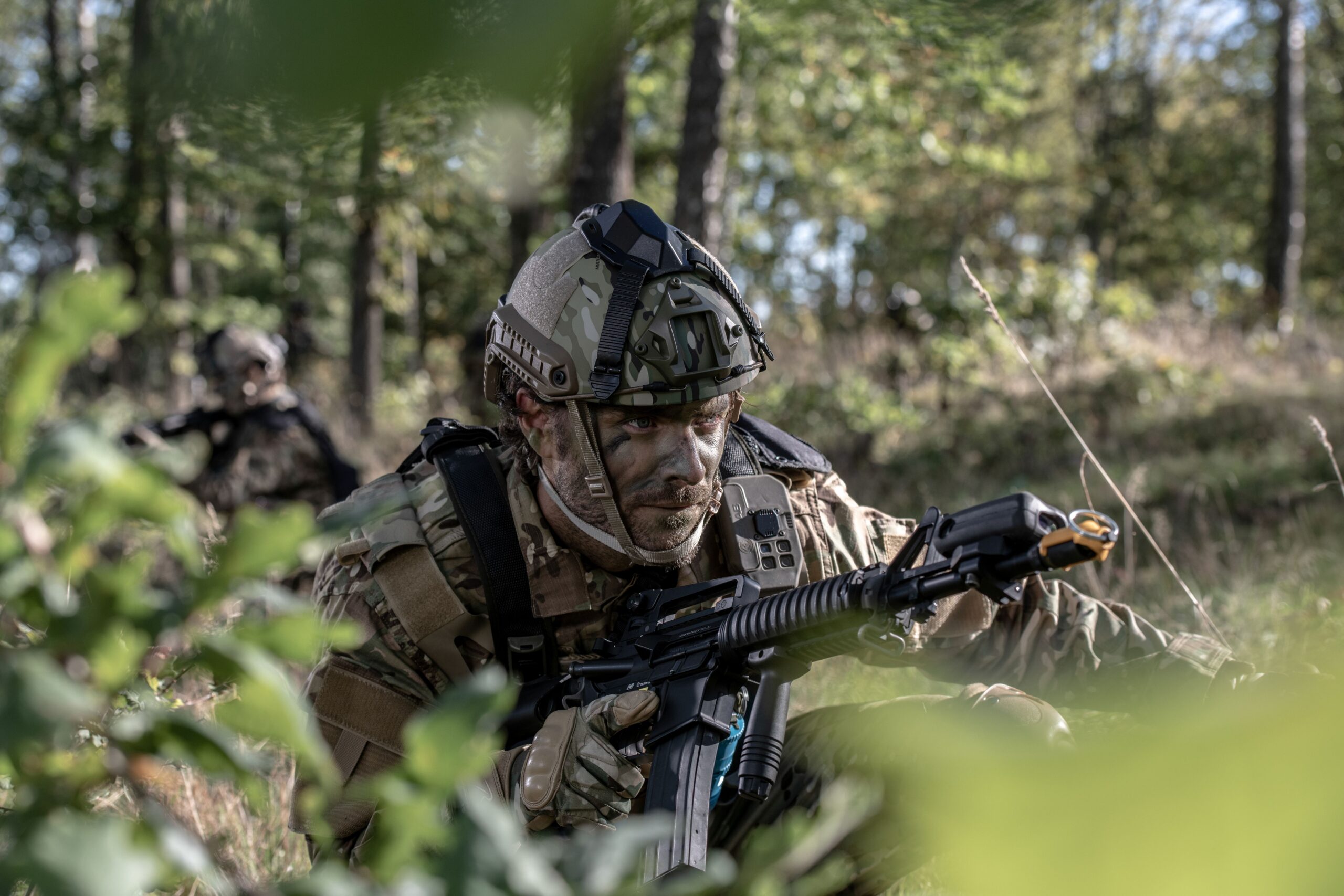
Saab has received an order from the Spanish Army for Individual Duel Simulation systems, covering both equipment and support services for live training.
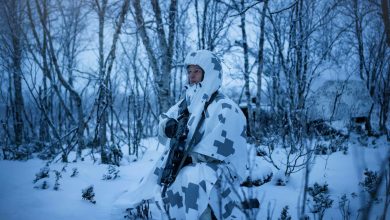
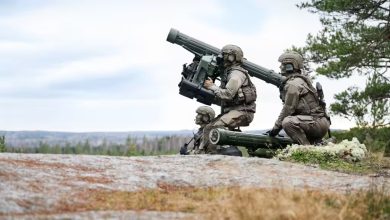
The package includes the company’s infantry soldier training systems and exercise-control tools, which will be deployed across multiple units.
The order is the first issued under a framework agreement between Saab and the Spanish Army that could reach a total value of about 34 million euros ($39 million).
Under the deal, Spain will receive Saab’s GAMER live-training equipment, including Personal Detection Devices, weapon kits, and manpack systems.
Moreover, Saab will set up its training infrastructure in Spain in cooperation with its local partner, Tecnobit, enabling live training across multiple regiments nationwide.
The systems will enable the Spanish Army to conduct a broad range of exercises, from small-unit drills to larger multinational maneuvers.
Training is supported by sensor-based simulations that replicate operational conditions and improve coordination between soldiers and commanders.
“This order underscores the growing demand for realistic and interoperable training systems that enable armed forces to prepare for the complex challenges of modern warfare,” said Joakim Alhbin, head of Saab’s Training & Simulation business unit.
Spain’s Latest Projects
Madrid is accelerating its push to modernize and strengthen military capabilities through several cutting-edge programs.
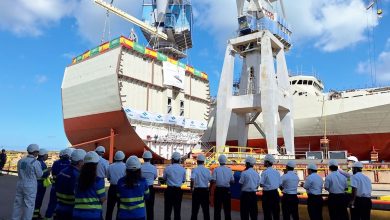
Earlier this month, the government approved the mid-life upgrade for the Navy’s F100 frigates, a 3.2-billion-euro ($3.71-billion) effort to be carried out by Navantia over the next 120 months, extending the ships’ service life to 2045.
In November, Ukraine’s Praktika signed an agreement with Spanish firm Tecnove and Escribano Mechanical & Engineering to begin joint production of armored vehicles in Spain.
Earlier this year, Sener Aerospace and Defence completed three years of demonstrations of its Naviground system, described as Europe’s first unmanned military convoy and designed to streamline logistics.
The trials featured unmanned vehicles conducting coordinated convoy movements, while an Iveco-based shuttle completed the last section of the route.