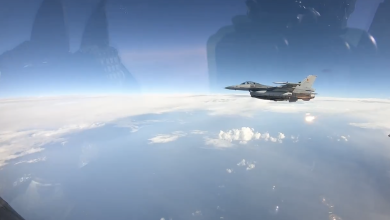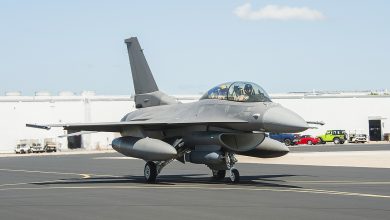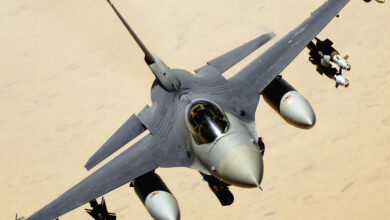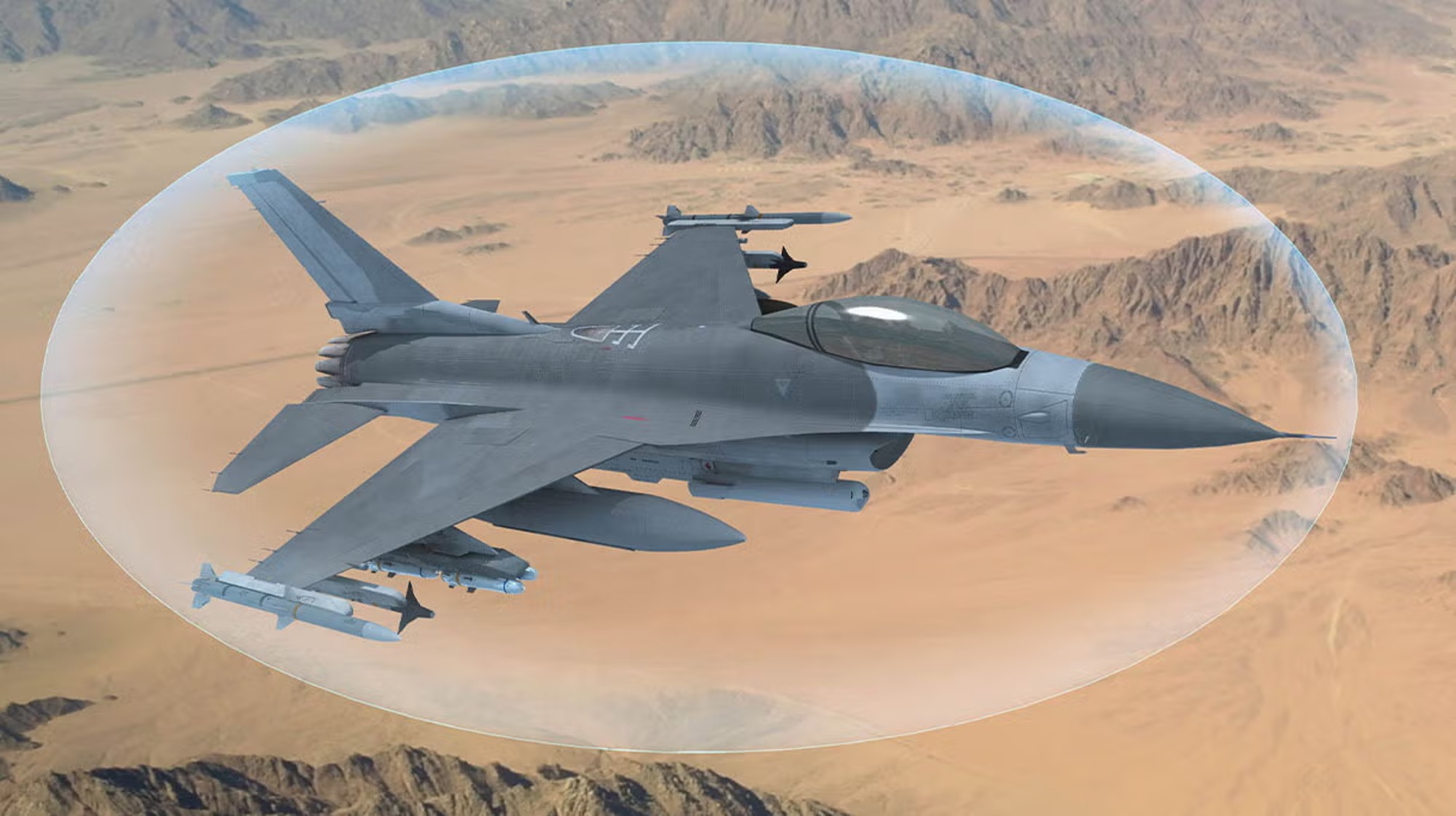
L3Harris’ Viper Shield electronic warfare system for the F-16 fighter aircraft has cleared a major US Air Force evaluation, authorizing its transition to low-rate initial production.
The suite passed a Production Readiness Review (PRR), which involved a deep assessment of its structure, assembly process, quality standards, and supply chain reliability.
The review took place as several allied countries look to upgrade their F-16 fleets to counter radar threats, jamming, and enemy tracking.
L3Harris is now set to begin building the first batch of 219 Viper Shield systems for partner nations and will be offered with a Pod version that can be mounted externally, providing operators more flexibility.
The company is expected to launch the technology’s full-rate production by the first quarter of fiscal 2026.
“Protecting allies in electromagnetic spectrum environments is critical to maintaining global security and stability,” said US Air Force Col. Michael Rigoni, electronic warfare program manager at the F-16 System Program Office in Ohio.
“L3Harris’ success in this PRR … demonstrates its commitment to providing global F-16 fighter pilots a high-quality electronic warfare suite to meet those challenges.”
‘Premier Choice’
Concurrent with the production, Viper Shield will receive more intensive tests to confirm functions in harsh battlefield environments, including heavy jamming and electronic interference.
The suite’s development is fully financed by partner nations, allowing L3Harris to maintain an active production line as more countries pursue F-16 upgrades.
“Viper Shield is an internationally backed system, supported by seven allied nations currently in production with a new Pod customer expected soon,” said Ed Zoiss, president of space and airborne systems at L3Harris.
“These advancements make it the premier choice for all countries operating the F-16 Fighting Falcon. Even the United States, both active duty and Guard units, could greatly benefit from this [Foreign Military Sales]-funded program.”