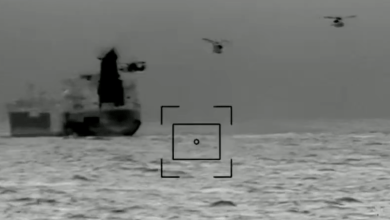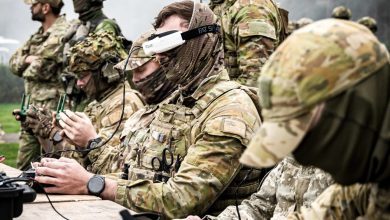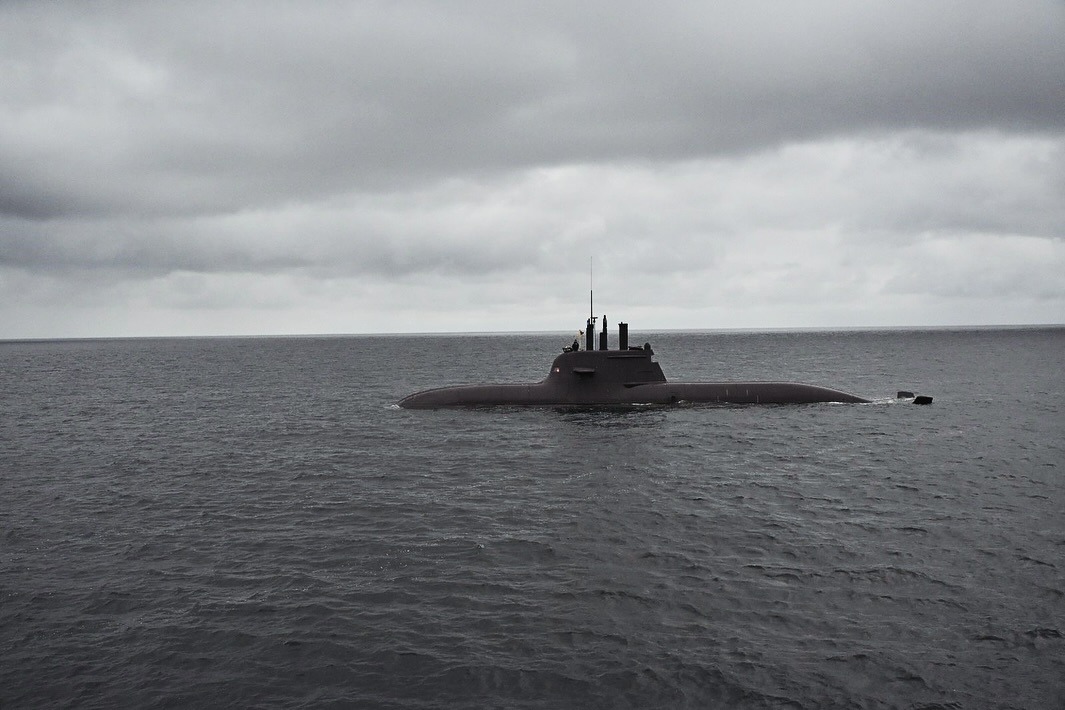
NATO forces are participating in Playbook Merlin 25, an anti-submarine warfare exercise in the Baltic Sea hosted by the alliance’s newest member, Sweden.
Personnel from nine NATO nations are training to improve readiness and interoperability.
The exercise aims to strengthen cooperation in undersea operations, sea-line protection, and critical infrastructure security.
Led by Allied Maritime Command (MARCOM), the exercise involves submarines from Germany and Sweden, as well as maritime patrol aircraft from the US.
It also includes surface ships and helicopters from France, Germany, and the Netherlands.
“By sharing our knowledge and experience of underwater warfare in the unique conditions of the Baltic Sea region, we increase the security and stability, make NATO stronger and address the security challenges of today,” said Rear Admiral Johan Norlén, Chief of the Swedish Navy.
Playbook Merlin is one of nearly a dozen major maritime exercises held each year under NATO’s MARCOM, which oversees standing naval forces that maintain a continuous presence at sea and can be rapidly deployed in a crisis.
Standing NATO Maritime Groups 1 and 2, composed of frigates and destroyers from various allied countries, are part of these forces and tasked with supporting maritime security and training.
Boosting Maritime Security
While strengthening its role within NATO, Sweden has been investing in its maritime capabilities through several new defense contracts in recent months.
Last month, Swedish firm Saab received a 9.6-billion-kronor ($1 billion) contract for the final production phase of two Blekinge-class submarines, with deliveries scheduled between 2026 and 2032.
Under a 130-million-kronor ($14 million) deal signed earlier in October, Sweden contracted Finnish boat builder Marine Alutech to deliver 20 Watercat M9 vessels for the country’s amphibious battalions, replacing older boats previously sent to Ukraine.
In September, the Scandinavian country signed a 60-million-kronor ($6.3 million) contract with Saab to design, assemble, and test a large, uncrewed undersea vehicle equipped with sensors to map the seabed and detect underwater threats.