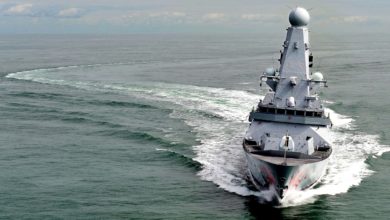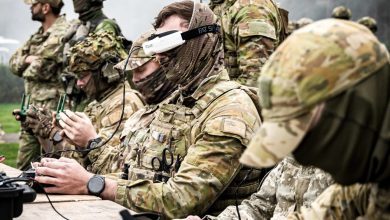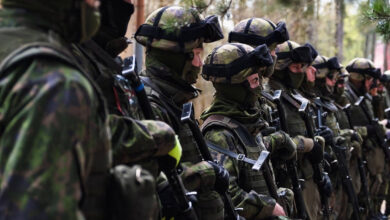
The UK Royal Marines and Army Rangers have tested a new rapid-response capability in the eastern Baltic ahead of NATO’s Allied Reaction Force missions, including ship recapture and covert coastal raids.
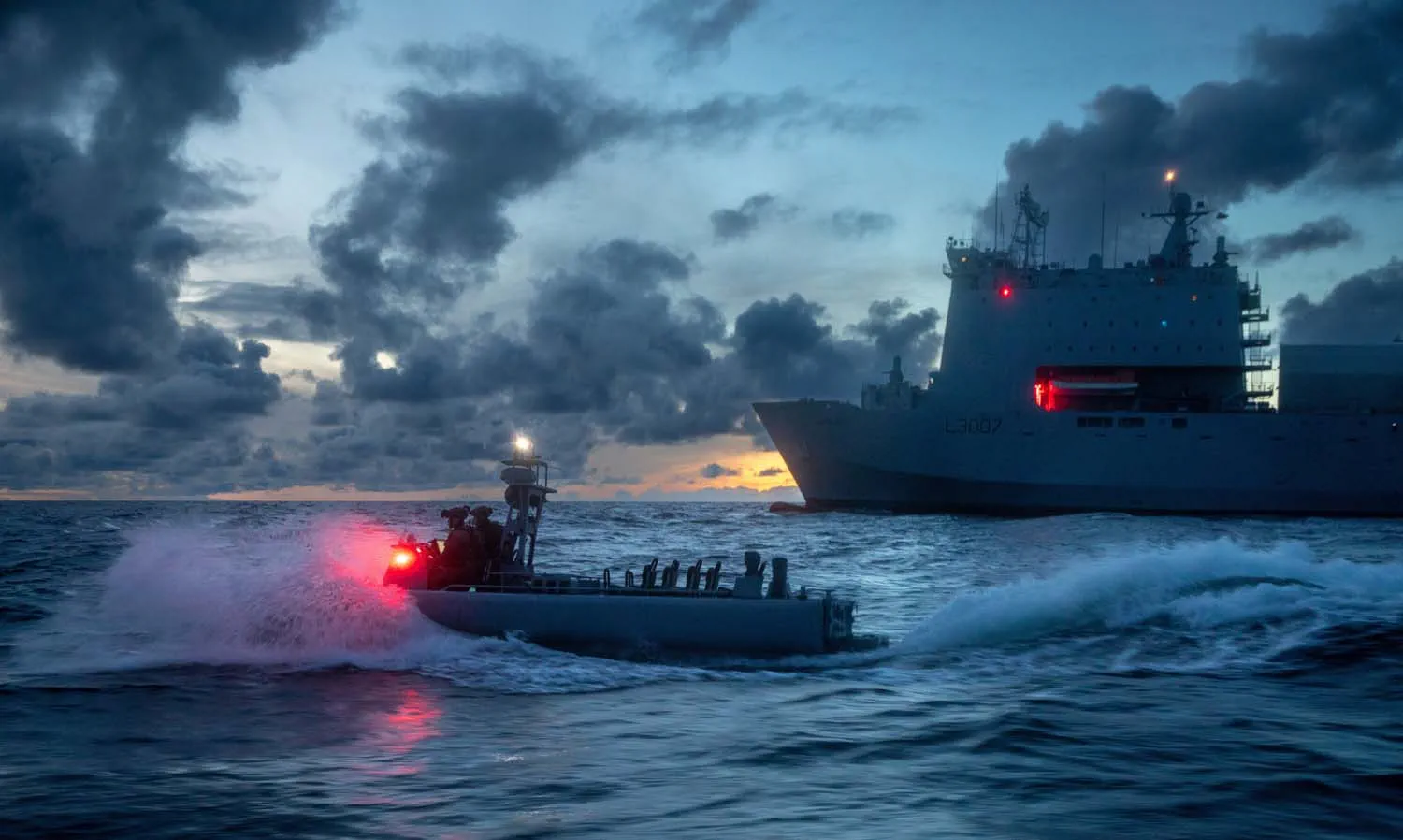
During Exercise Baltic Dawn, 42 and 47 Commando launched small boats from the support ship RFA Lyme Bay and carried out joint raiding operations with the British Army’s 3 Ranger on Estonia’s Saaremaa island, honing Maritime Interdiction skills in realistic coastal conditions.
The operations form part of the UK Special Operations Maritime Task Group (SOMTG), a first-of-its-kind formation designed to deploy at very short notice. This combines specialists from across the Royal Navy and Commando Force including pilots, engineers, and boat operators.
The SOMTG will be evaluated for NATO deployment in January 2026.
According to Major Adam Kidson, officer commanding the task group, the exercises demonstrate how the Royal Marines can strike unpredictably from the sea and operate flexibly from multiple platforms.
Months of preparation preceded the drills, including Arctic amphibious training in Norway, cold-weather exercises, and intensive planning at UK locations such as Spadeadam and Goonhilly.
NATO Capacity Building
Heightened tensions in northern and eastern Europe have prompted NATO to strengthen its rapid-reaction and special operations capabilities. The Baltic region, with its strategic sea lanes, islands, and offshore infrastructure, presents complex operational challenges that require highly adaptable forces.
Several NATO allies are pursuing comparable rapid-response and maritime operations.
Norway has recently run Arctic amphibious exercises alongside UK commandos, testing logistics and coordination under extreme conditions.
Meanwhile, France has expanded its Commando Marine training to integrate small-unit coastal raids with special forces units from Germany and Belgium.
Italy’s San Marco Brigade has conducted combined exercises with naval special forces from Spain, focusing on ship boarding, port security, and amphibious insertions.