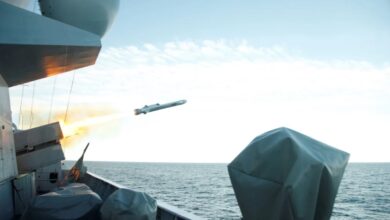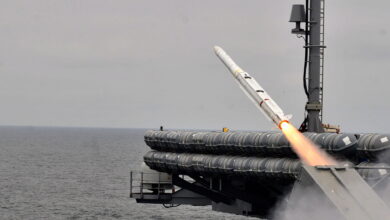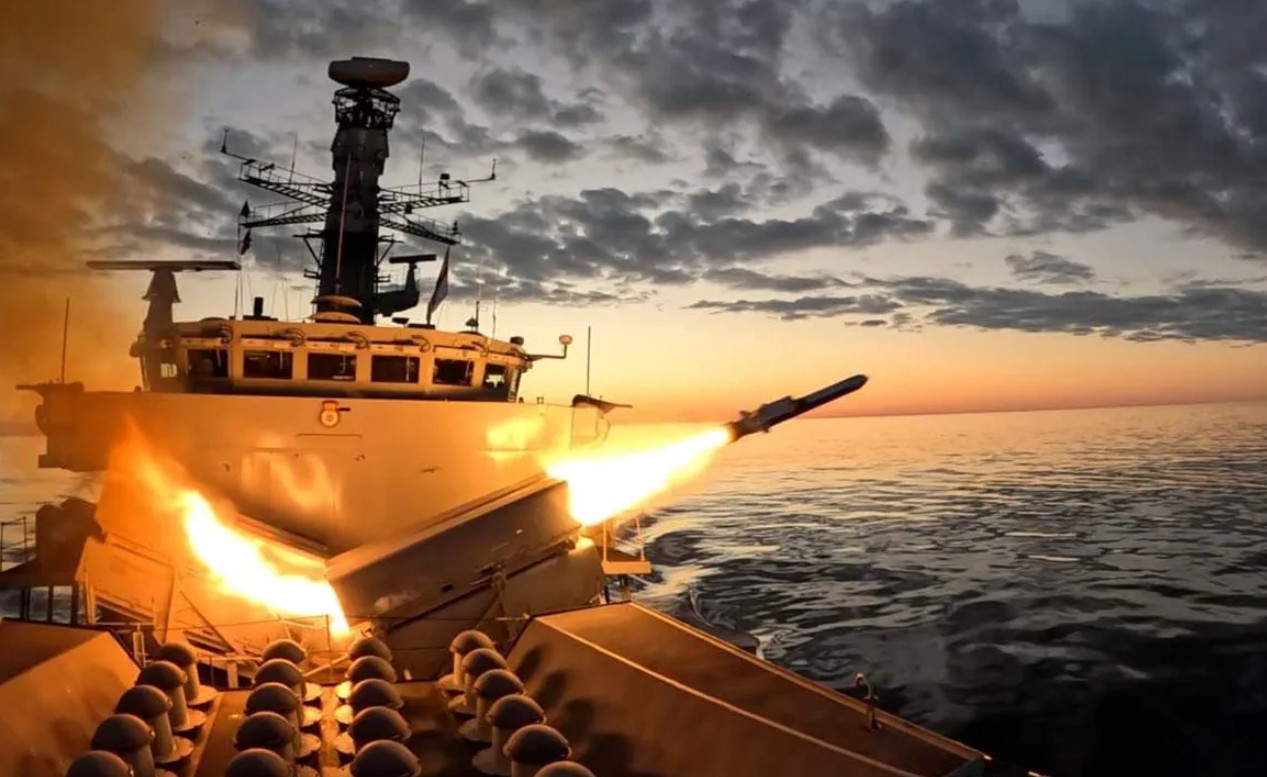
Norway, Poland, and the United Kingdom have successfully validated the Naval Strike Missile (NSM) during Arctic exercises off the coast of Troms in Norway.
The live-fire trials demonstrated the missile’s precision and reliability in sub-zero temperatures, high winds, and challenging electronic warfare environments.
Kongsberg Defence & Aerospace said the NSM’s imaging infrared seeker and advanced guidance suite maintained target lock and navigation accuracy despite heavy interference and limited visibility.
Multiple launches from allied naval platforms tested the missile’s ability to sustain low-altitude flight over icy seas and engage long-range targets.
According to Kongsberg, the validation confirms the NSM’s readiness for operations in Arctic and high-latitude environments, where extreme weather and electronic disruption often degrade conventional systems.
Strengthening Europe’s Arctic and Maritime Defenses
Kongsberg is using data from the Arctic exercise to support development of an extended-range NSM and to enhance the missile’s dual-mode seeker, which combines infrared and radar guidance for improved accuracy in poor visibility and GPS-denied environments.
The Arctic validation also marks another step in strengthening allied maritime capabilities in Europe.
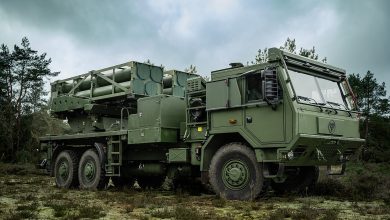
Norway continues to field the NSM on its Fridtjof Nansen-class frigates and coastal defense batteries, while Poland has integrated the system into coastal missile squadrons and the Miecznik-class frigates under construction.
The UK, which selected the NSM to replace its aging Harpoon system, plans to deploy the missile across Type 23 and future Type 26 frigates. Minister for Defence Readiness and Industry Luke Pollard called the NSM “one of the most advanced missiles in [the UK]’s naval arsenal” and said it could “give the Royal Navy and our allies an edge against our enemies.”