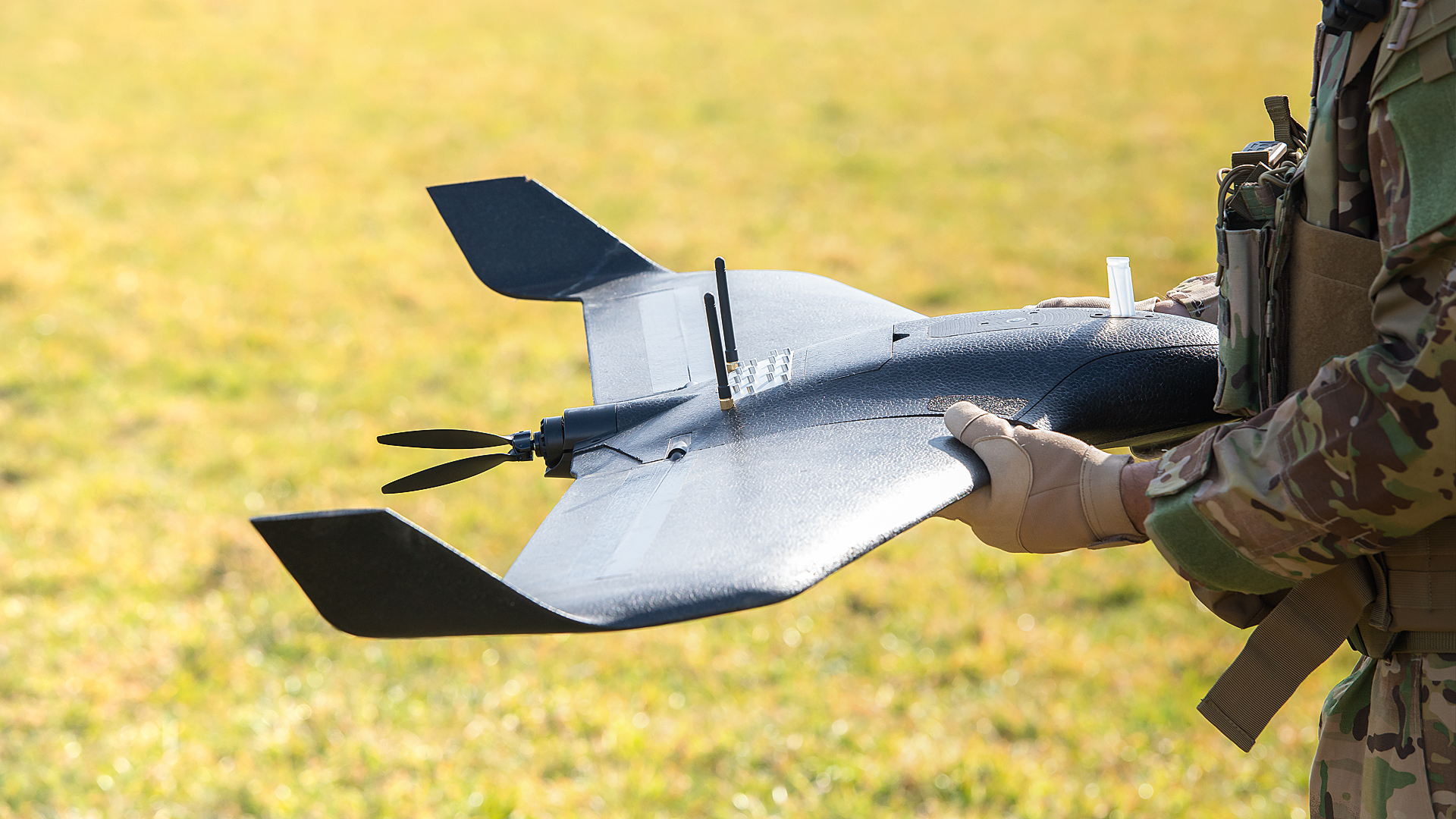
US Army Adds eBee VISION Drones to Simulate Enemy Forces at German Training Hub

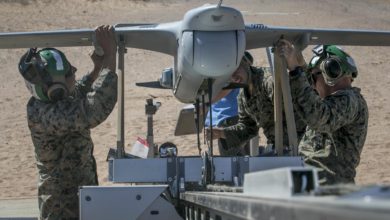
The US Army has acquired three EagleNXT eBee VISION unmanned aerial systems (UAS) to enhance training operations at the Joint Multinational Readiness Center in Germany.
The package will be distributed to service the 1st Battalion, 4th Infantry Regiment, which acts as the opposing force or “red team” representing adversarial entities during large-scale, force-on-force training exercises between American and NATO partners at the site.
EagleNXT said that the drones will support these missions by improving aerial situational awareness and simulating enemy surveillance capabilities.
Each drone, assembled under joint operational standards, is also expected to contribute to greater interoperability among allied forces, exposing international units to shared autonomous systems and common data workflows.
The Kansas-based company’s eBee VISION is already approved by both US and European aviation regulators and is listed on the Pentagon’s Blue UAS program, which certifies it as a trusted, American-manufactured drone for government use.
“These systems will empower the [opposing force] at the Joint Multinational Readiness Center to deliver cutting-edge training scenarios for US and allied forces from around the world,” said Bill Irby, CEO of EagleNXT.
“This contract is a significant milestone in our mission to provide world-class UAS solutions to defense customers, enhancing the readiness of multinational coalitions preparing for complex operational environments.”
The eBee VISION System
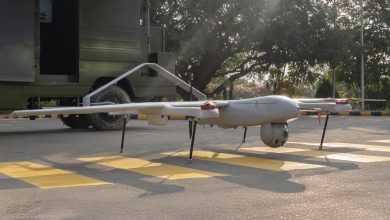
EagleNXT’s eBee VISION drone offers real-time imaging, live data transmission, and wide-area coverage, giving commanders near-instant feedback to rapidly assess performance and refine tactics during coalition exercises.
It has a wingspan of 46 inches (117 centimeters) and a weight of 4 pounds (2 kilograms), making it transportable via a standard hard case or a backpack.
The aircraft, built with carbon fiber and reinforced injected polymer, is coupled with a remote control with an all-weather screen, a continuous RGB/thermal high-definition and high-zoom video feed, and a one-and-a-half-hour battery life.
Deployable in under 3 minutes, the UAS has a top speed of 50 miles (80 kilometers) per hour, a maximum flight time of 90 minutes, and a service temperature of 120 degrees Fahrenheit (49 degrees Celsius).