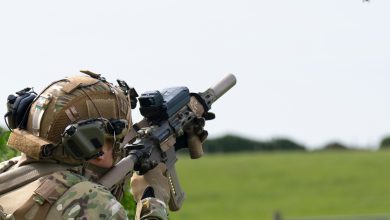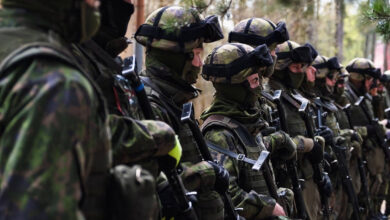
The Finnish Defence Forces has announced a transition to NATO-standard calibers for its future small arms, phasing out Soviet-era ammunition standards.
The move is intended to improve operational effectiveness, interoperability with NATO forces, and the security of supply chains.
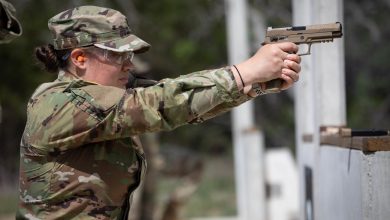
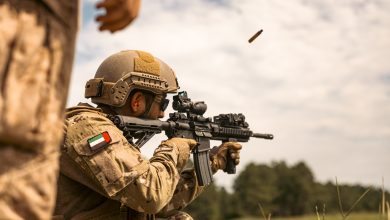
Under the transition, the standard assault rifle caliber will shift to 5.56×45mm, with force-specific weapons using 7.62×51mm and 12.7×99mm ammunition. The 9×19mm caliber will continue to be used for pistols.
The 7.62×51mm caliber is mainly employed in battle and sniper rifles, whereas the 12.7×99mm cartridge serves as NATO’s standard heavy machine gun round, developed for the M2 Browning machine gun.
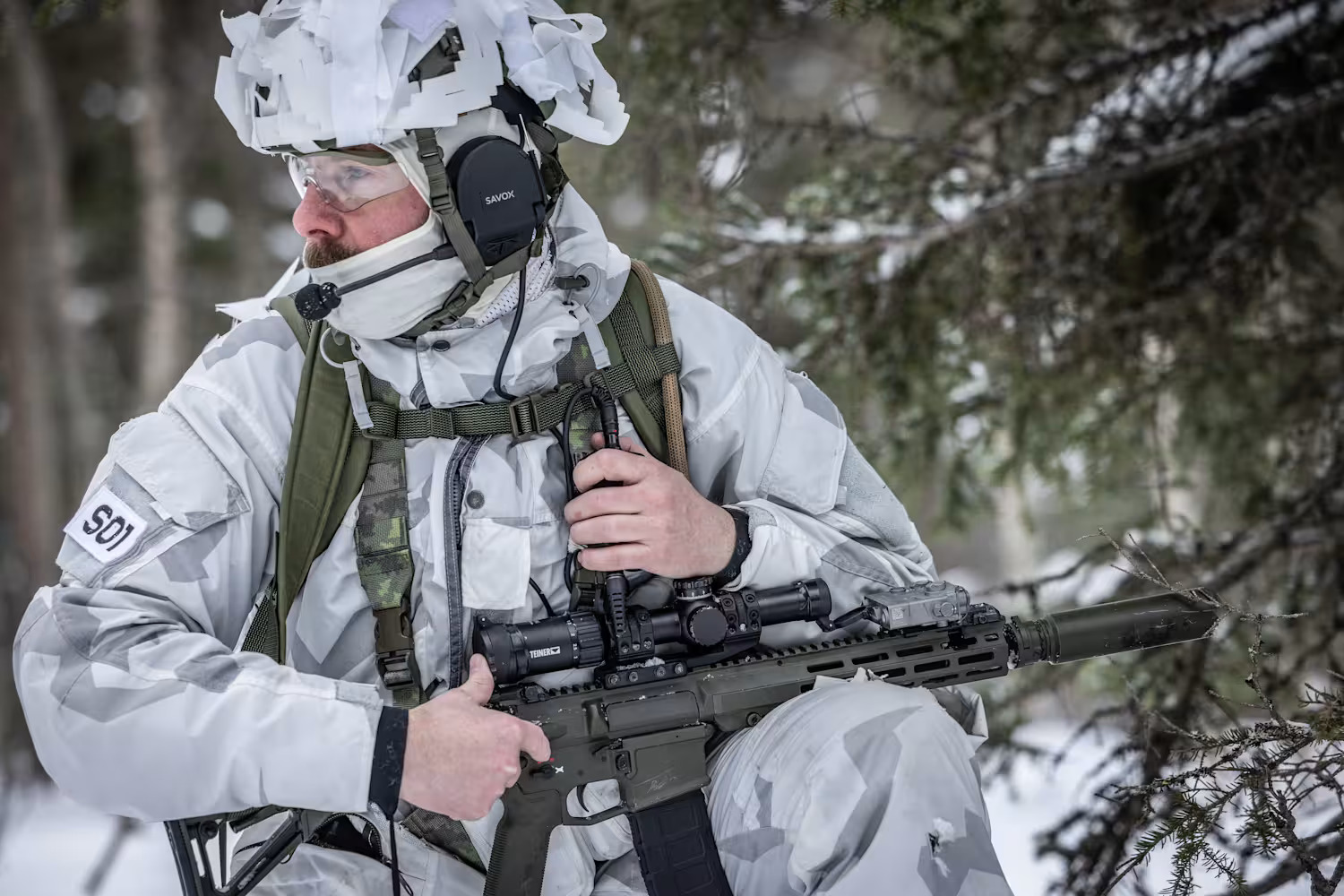
The rollout will take place as part of a broader small arms modernization effort, which includes the procurement of new assault and sniper rifles, as well as auxiliary equipment such as night-vision devices, laser illuminators, thermal imagers, and weapon- and helmet-mounted lights.
Existing 7.62×39mm, 7.62×53mmR, and 12.7×108mm calibers will continue in service, although no additional procurements will be made.
“While selecting the calibre, a number of factors were examined and considered,” Chief of Operations, Army Command, Brigadier General Sami-Antti Takamaa said.
“The decision was affected, among other, by capability requirements, soldier’s load, interoperability among allied nations, security of supply, and availability of ammunition, as well as national production capacity.”
Enhanced Lethality, Reduced Soldier Load
The higher muzzle velocity and flatter trajectory of the new caliber will improve hit probability, allowing soldiers to carry fewer rounds.
By switching to a lighter weapon and NATO-standard ammunition, the Finnish Defence Forces says a soldier’s carried load can be reduced by 3.5 kilograms (7.71 pounds) — from 8.9 kilograms (19.62 pounds) to 5.4 kilograms (12 pounds).
Additionally, lower recoil, a flatter trajectory, and reduced procurement costs — driven by greater availability and lower raw-material requirements — will help accelerate marksmanship training.
“The war in Ukraine has demonstrated that the consumption of small arm cartridges is high. They must be readily stockpiled and also available during wartime,” Takamaa added.
“This is why it is important that nationally and in the Nordic countries we sustain production capacity for the small arms calibres that we use.
The same calibre as that of our allies ensures using the same-calibre cartridges both in peacetime training exercises and under exceptional circumstances.”