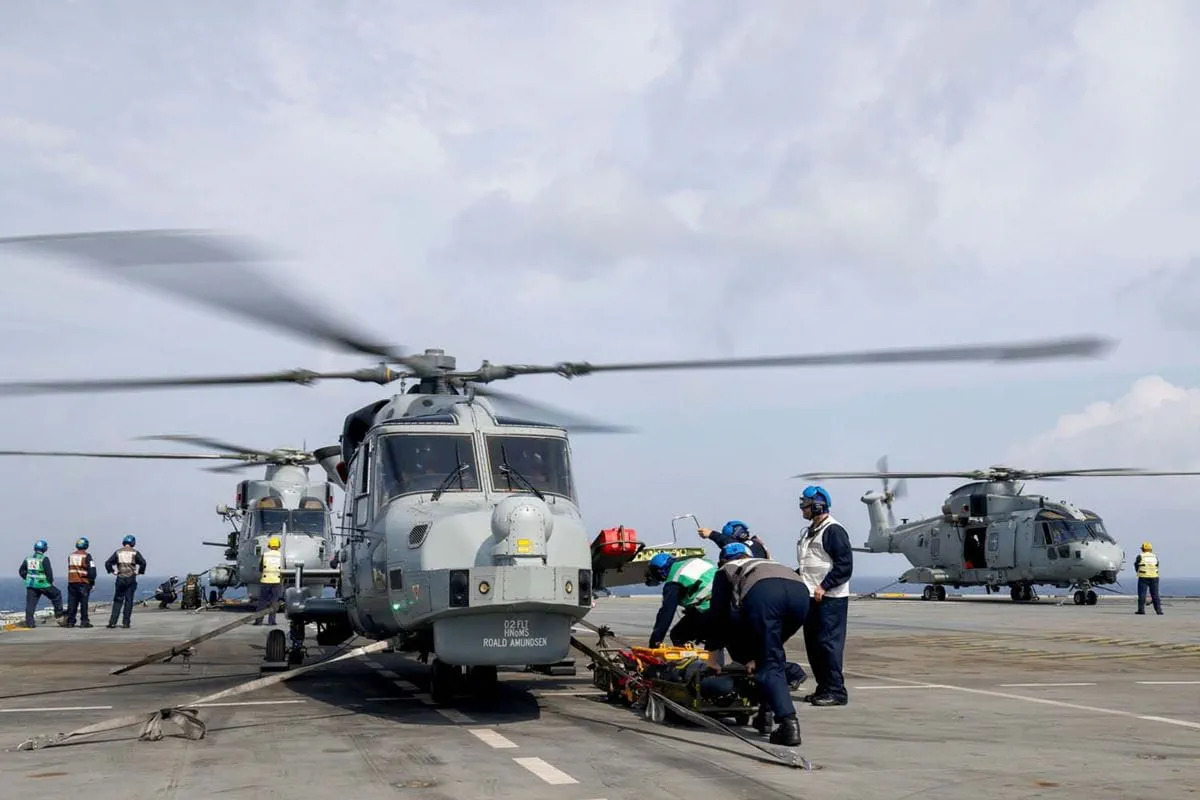
The Royal Navy has declared initial operating capability (IOC) for the Sea Venom anti-ship missile, marking its readiness for deployment on Wildcat helicopters in frontline operations.
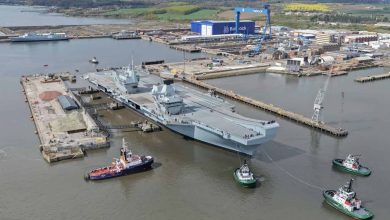
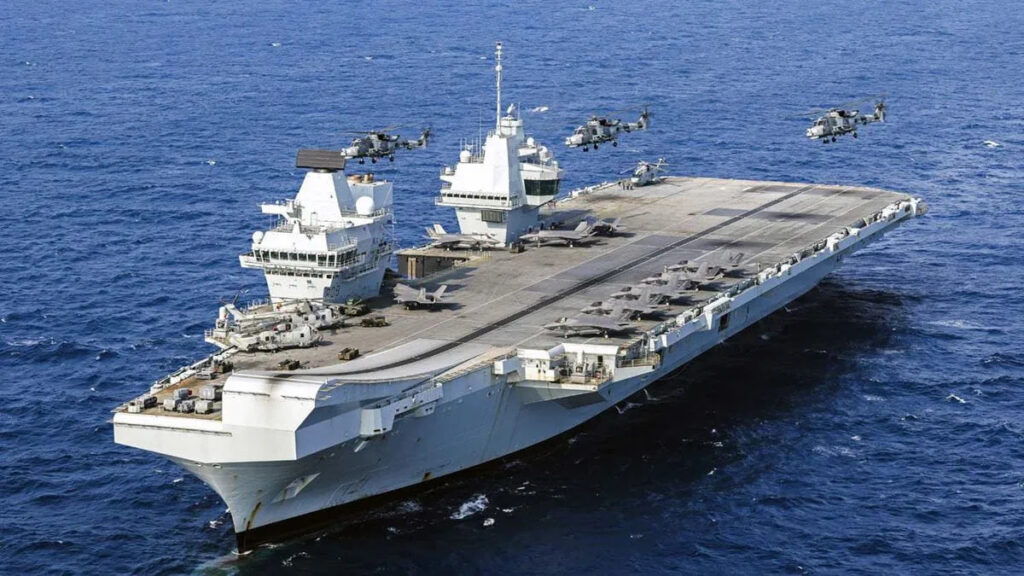
The milestone was achieved during Operation Highmast in the Indo-Pacific, led by the aircraft carrier HMS Prince of Wales and featuring four Wildcats.
Each Wildcat can carry four Sea Venom missiles, allowing it to engage multiple targets in a single sortie or launch a salvo against a single threat.
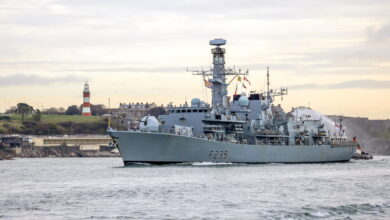
Following the first launch of the Naval Strike Missile from a Type-23 Duke-class frigate, the IOC represents another step in rebuilding the Royal Navy’s anti-surface warfare capability, which had lapsed after the withdrawal of the Harpoon system in 2023.
The Sea Venom is capable of neutralizing warships up to corvette size, while the lighter Martlet missile carried by the Wildcat is intended for smaller vessels.
“The introduction of Sea Venom is a step-change in our combat power,” said Commanding Officer of 815 Naval Air Squadron James Woods.
“It delivers a lethal combination of precision, reach, and flexibility that allows us to strike decisively against a wide spectrum of threats in the maritime, coastal, and land domains.
“Most importantly, it gives us the ability to neutralise those threats at range. This is a transformational capability for the Fleet Air Arm, and ensures that we are ready to defend and protect NATO and Allied interests at home and abroad.”
Sea Venom Missile
Originally an Anglo-French development, the Sea Venom was designed to replace the now-retired Sea Skua missile carried by the Royal Navy’s Lynx helicopter.
France withdrew from the program in the 2020s as the intended helicopter platform had not yet been ready for service.
Sea Venom features several improvements over its predecessor, including lighter weight and a longer range of 20 kilometers (12.4 miles).
Its fire‑and‑forget capability allows the launching helicopter to minimize exposure after firing.
A two-way data link provides a man-in-the-loop capability, enabling in-flight re-targeting, final aim‑point correction, and the option to refine the attack or abort safely.
Despite a modest 30-kilogram (66-pound) warhead, the missile’s precision allows it to strike critical systems — such as fire‑control radars — causing disproportionate damage to larger warships.
A Wildcat armed with four Sea Venoms gives Royal Navy surface ships enhanced capability to defend against swarms of fast attack craft, such as those employed by the Iranian Navy, while staying out of their range.
In addition, the missile can be used against coastal installations and other land-based targets.
“Achieving Initial Operating Capability with Sea Venom is another milestone in ensuring the Carrier Strike Group remains a world-class, combat ready force,” Commander UK Carrier Strike Group, Commodore James Blackmore, said.
“It strengthens our ability to safeguard the maritime environment, reassure allies, and deters adversaries.
This capability ensures our aircrew can operate with confidence against a wide spectrum of threats, reinforcing the UK’s commitment to delivering decisive air power at and from the sea.”