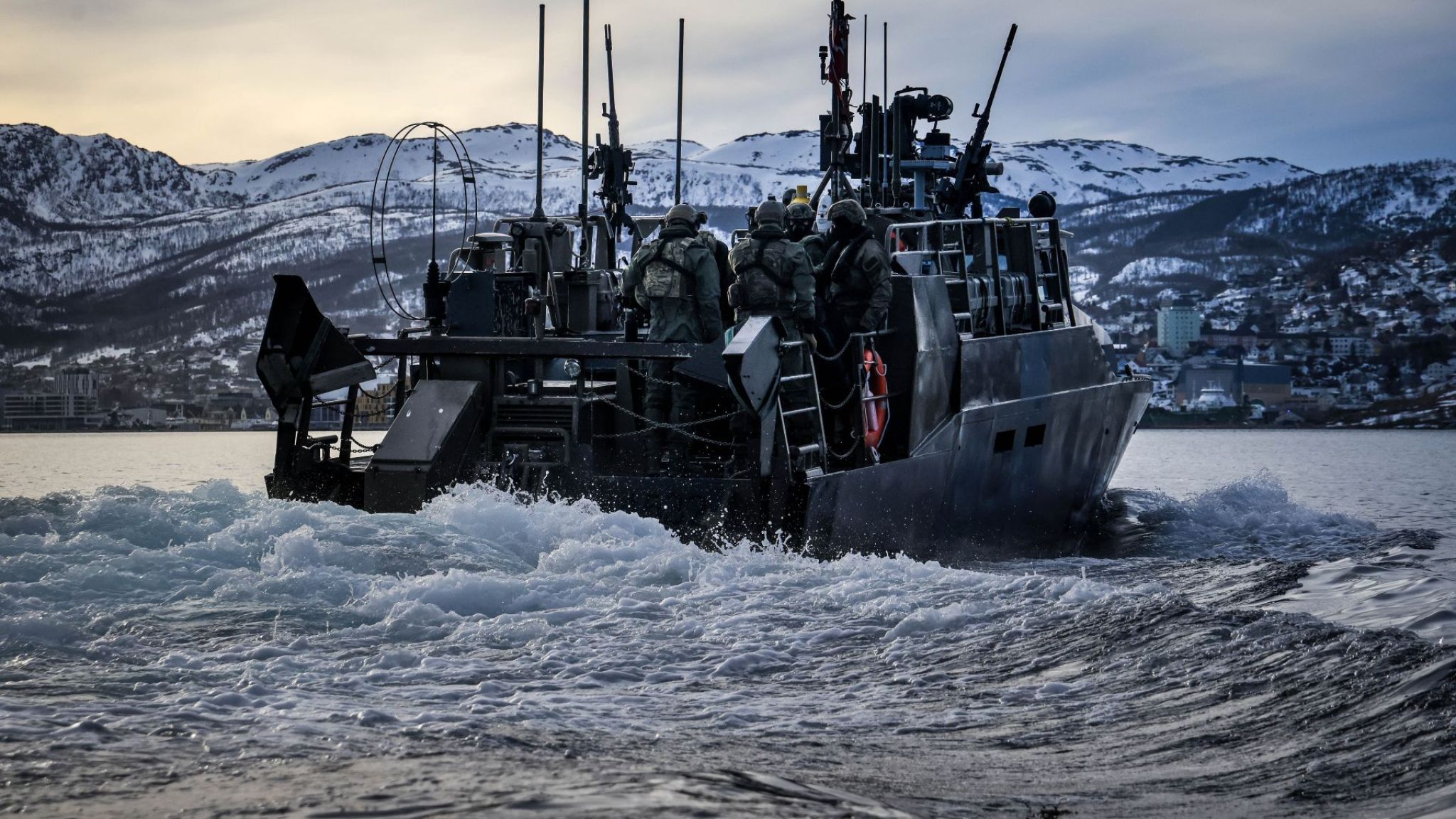
The UK and Norway are considering a joint acquisition of a fleet of high-speed, armed commando craft to support littoral and offshore operations in contested environments.
Up to 30 vessels are being eyed under the Joint Commando Craft (JCC) project, with a potential budget of 237 million pounds ($316 million) over seven years.
The Royal Norwegian Navy plans to deploy the vessels as upgraded intelligence, surveillance, and reconnaissance (ISR) platforms for its Coastal Ranger Commandos, enhancing situational awareness, target acquisition, and boarding capabilities.
“By developing a joint capacity for coastal operations, we strengthen our ability to operate together in the North Atlantic and the High North, while also contributing to increased security and stability in the region,” Norwegian Minister of Defense Tore O Sandvik said.
Head of Maritime Capabilities at the Norwegian Defence Materiel Agency, Flag Commander Stein Håvard Bergstad, added: “This initiative will improve situational awareness and interoperability, and demonstrate our shared commitment to security and stability in the North Atlantic and the High North.”
To Enable ‘Theatre Access Operations’
For the Royal Navy, the craft will be a key element of its UK Commando Force program, which aims to transform amphibious operations.
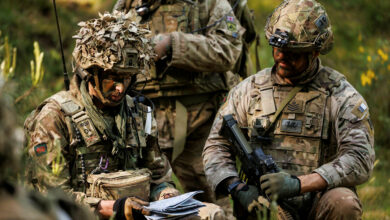
Led by the Royal Marines, the UK Commando Force is designed to conduct Theatre Access operations against peer adversaries at the outset of a conflict, operating across extended ranges and varied maritime environments.
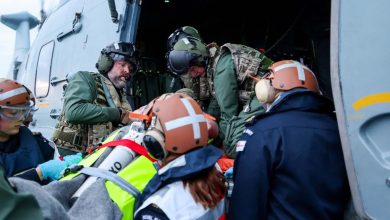
The vessels will transport personnel and equipment, and enable insertion and extraction from coastal areas under demanding conditions.
According to a project request for information, the craft will deliver “a new surface maneuver capability” with improved speed, endurance, survivability, and sea-keeping, enabling commandos to operate from open seas to shallow waterways.
“This enables commandos to project a force over extended distances, working in all environments from the open sea to very shallow waterways,” the document added.
Expected Features
The 24-meter (79-foot) craft is expected to have a beam of 7.5 meters (24.6 feet), a displacement of approximately 60 tons, and the capability to operate independently for several days.
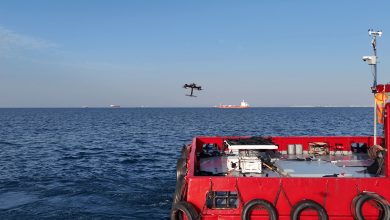
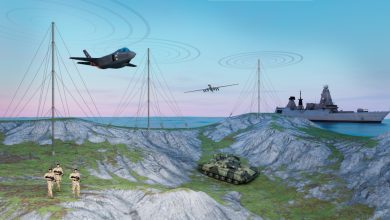
For enhanced situational awareness and target acquisition, it could be fitted with additional sensor systems such as an elevated mast or a tethered unmanned aerial system (UAS) powered by the vessel.
Equipped with electro-optical/infrared cameras and radio-frequency sensors, the UAS could extend situational awareness out to a radius of approximately 135 kilometers (84 miles).