Sierra Space has cleared a major engineering step for its missile-tracking satellites under the US Space Development Agency’s (SDA) Tranche 2 program, moving the project closer to production.
The company announced it has completed the critical design review for 18 satellites being built for SDA’s tracking layer. The review confirmed the design is mature enough to move into full assembly, integration, and testing.
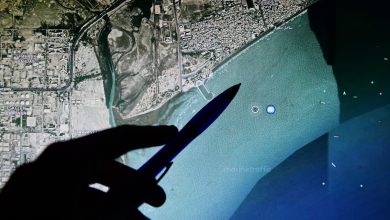
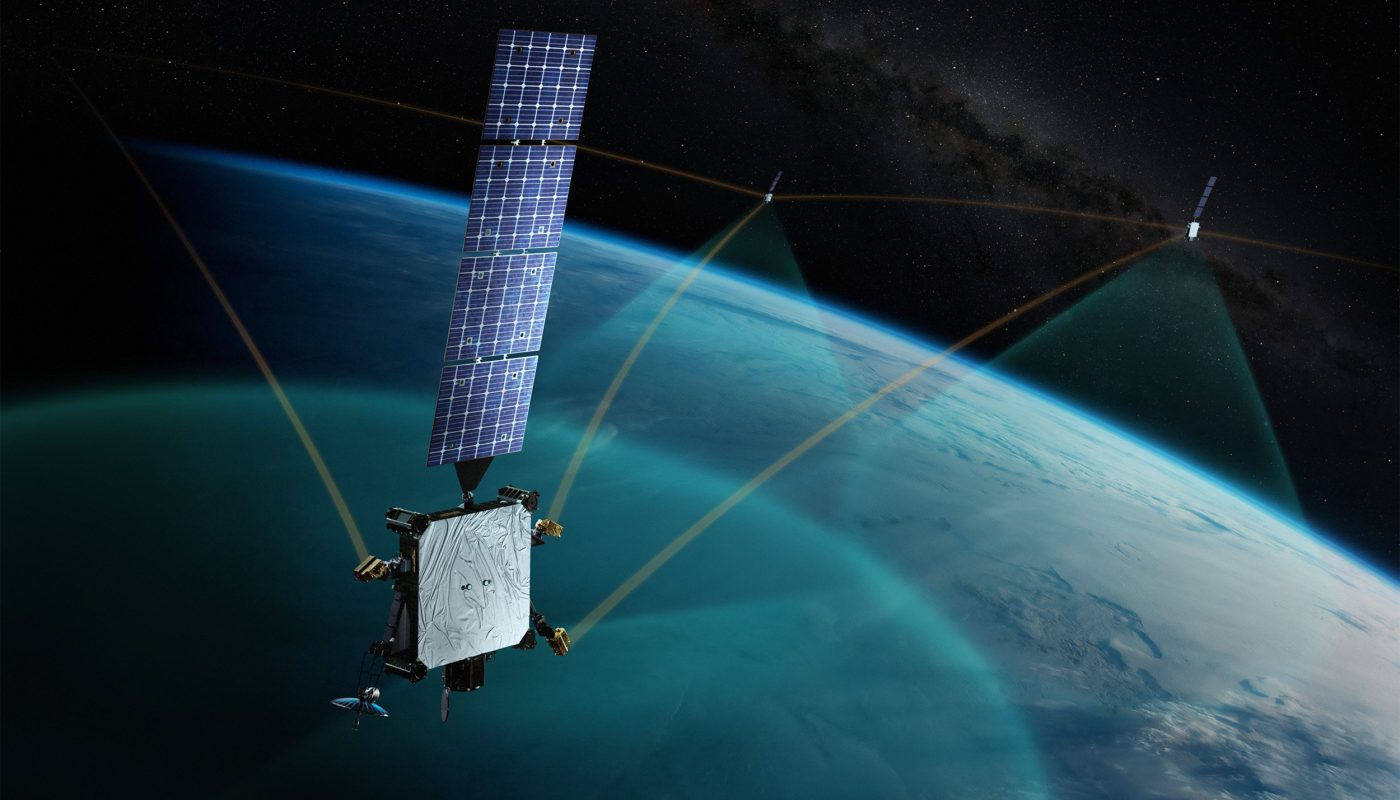
Each satellite will carry infrared sensors to detect and track ballistic and hypersonic missiles. The spacecraft are divided into two orbital planes, with each hosting multiple warning and tracking sensors, as well as one dedicated missile defense sensor.
The tracking layer is a central part of SDA’s Proliferated Warfighter Space Architecture (PWSA) — a growing constellation of low-Earth orbit satellites that will provide global coverage for communications, missile warning, and targeting. Unlike traditional large satellites, the PWSA relies on dozens of smaller spacecraft designed to be cheaper and more resilient to attack.
According to Sierra Space, hardware is already arriving at its “Victory Works” manufacturing facility. The satellites will use the company’s Horizon spacecraft bus, designed for high-rate production.
The Tranche 2 tracking satellites will expand the coverage and resilience of the constellation, building on earlier Tranche 0 and Tranche 1 deployments. They are expected to enter orbit in the late 2020s, once integration and testing are complete.
Importance of Missile Tracking from Space
Missile tracking from space has become increasingly urgent as adversaries field faster and more maneuverable weapons.
Hypersonic glide vehicles, for example, can travel at extreme speeds and shift trajectory mid-flight, making them harder to spot and track using ground-based radars.
The US is not alone in investing heavily in this capability. Russia has deployed its Tundra early-warning satellites to monitor potential missile launches.
China, meanwhile, has been working on a space-based missile warning network with support from Russia, combining satellites with ground-based radars to strengthen its early detection systems.