Taiwan is eyeing the acquisition of 48,000 boron carbide bullet-resistant ceramic plates for its armed forces.
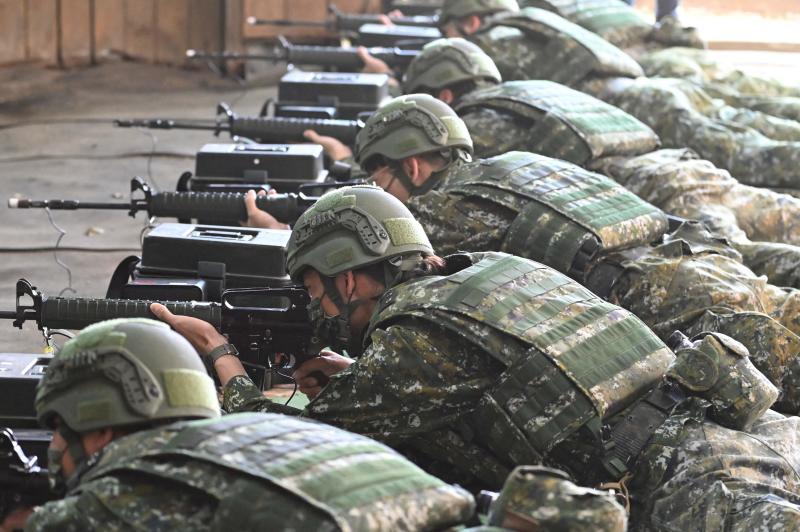
The plates will be used in personal protective equipment to shield troops from up to 7.62-millimeter anti-armor shells and shrapnel.
The East Asian government will greenlight the production of the solutions between 2028 and 2029, local news agency Taipei Times reported.
Figures indicate that the country will allocate approximately 840 million New Taiwan dollars ($28.2 million) to manufacture the plates. An initial purchase of 30 pieces has already been made at 1.3 million New Taiwan dollars ($46,900).
Taiwan has not disclosed the specifics of the solution, including its weight, protective rating, and the segments of the armed forces to which it will be distributed.
However, the new plates are predicted to be National Institute of Justice (NIJ) Level IV body armor based on their boron carbide composition and ability to stop armor-piercing rounds.
Boron carbide is a synthetic material that is one of the hardest known substances, surpassed only by materials like diamond and cubic boron nitride.
They are likely intended to complement the Republic of China Armed Forces’ existing NIJ Level III suits, which feature standard hard plates and protect against 7.62-millimeter rounds.
Three-Layer Armor
Separately, the Taiwanese defense ministry is overseeing the mass production of armor plates featuring three layers of ceramic materials and polyethylene fibers.
This builds on a 1.6-billion New Taiwan dollar ($53.7 million) deal signed in February to purchase 160,000 ceramic plates.
Taipei stated that the plates are designed to protect against 5.8-millimeter steel-core rounds used by Beijing’s People’s Liberation Army, as well as standard 7.62-millimeter bullets, and follow the design specifications of the US military’s Enhanced Small Arms Protective Insert.
A total of 60,000 of these plates are expected to be delivered to the armed forces by the end of 2025.