The US Department of Defense has contracted a Guam-based firm to build an air and missile defense system command center in the strategically important US island territory.
Core Tech-HDCC-Kajima LLC will fulfill the $295-million-contract with an estimated completion date of March 2029.
A subsidiary of multi-industry conglomerate Core Tech, the company has been awarded previous defense construction projects for Guam.
The latest award includes the construction of a defense system command center, a power generation facility, a switchgear building, fuel storage, and an entry control facility in Joint Region Marianas, Guam.
Guam Defense System
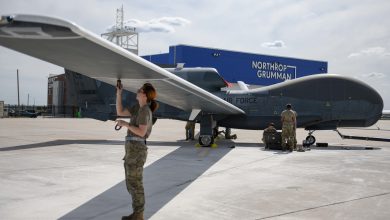
The command center is a key component of a planned 360-degree air and missile defense system for the Western Pacific island, which is home to around 170,000 US citizens and strategically important military bases Andersen Air Force Base and Naval Base Guam.
The island’s strategic location to provide logistic and military support in the event of a possible Taiwan invasion makes it a focus of China’s long-range precision fires.
The Guam defense system, called the Enhanced Integrated Air and Missile Defense System, includes a panoply of surface-to-air interceptors, radars, and other elements spread across 20 sites.
Air Defense Components
At the core of the system is the US Navy’s Aegis Ashore, which features the AN/SPY-1 radar and Mk 41 Vertical Launch System, with the SM-3 and SM-6 missiles as primary interceptors.
SM-3’s Block II variant is designed to intercept intercontinental ballistic missiles in mid-course flight outside the Earth’s atmosphere.
The Mk 41 could also be armed with the in-development Glide Phase Interceptor, which is being designed to counter incoming hypersonic boost-glide vehicles.
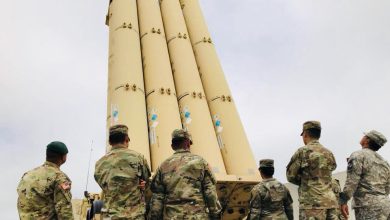
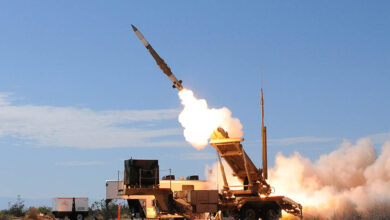
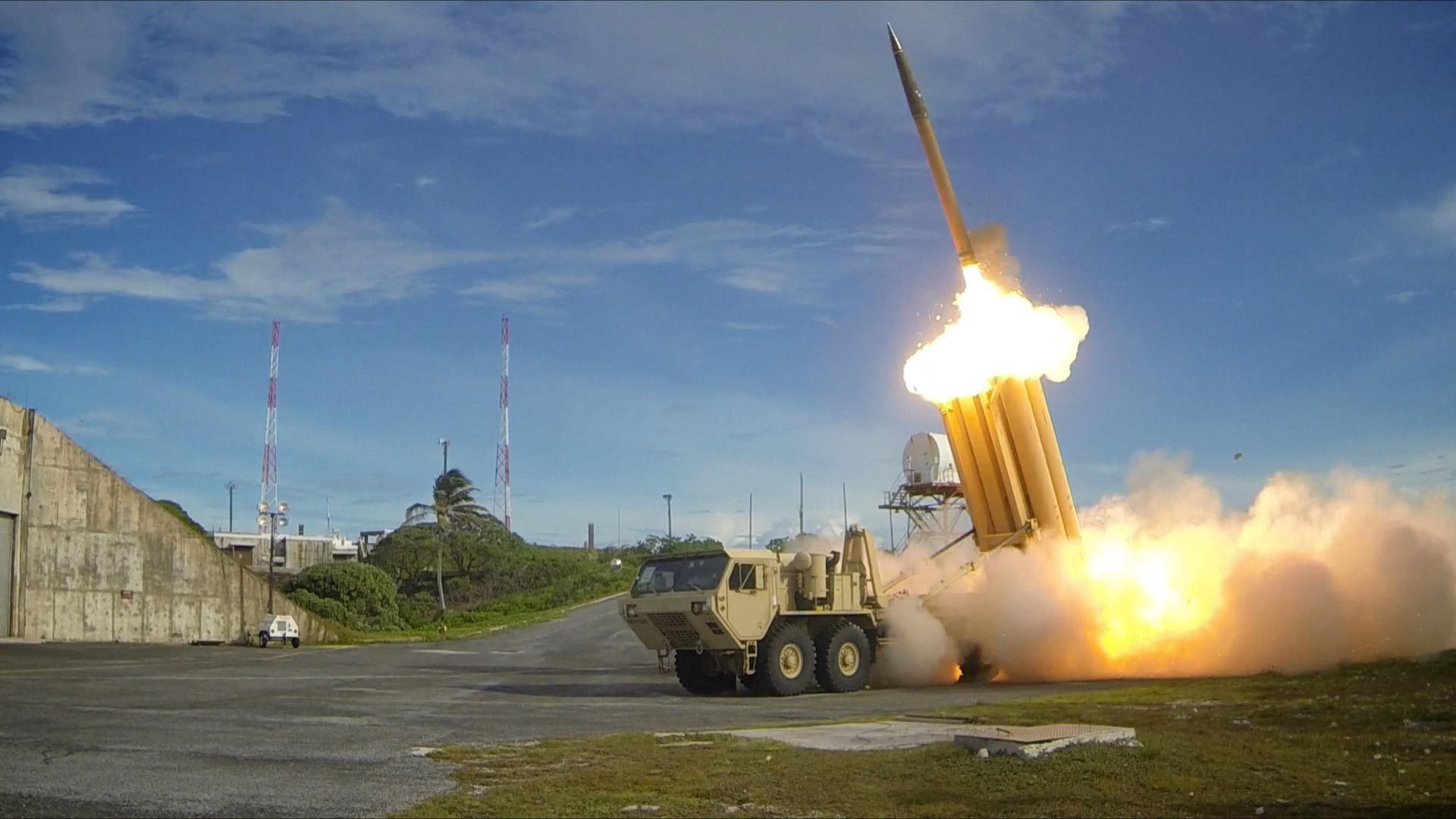
Meanwhile, the US Army will provide its Terminal High Altitude Area Defense, Patriot air and missile defense system, Typhon Mid-Range Capability system, and Enduring Shield Indirect Fire Protection System for protection in the lower layer of the air and missile envelope.