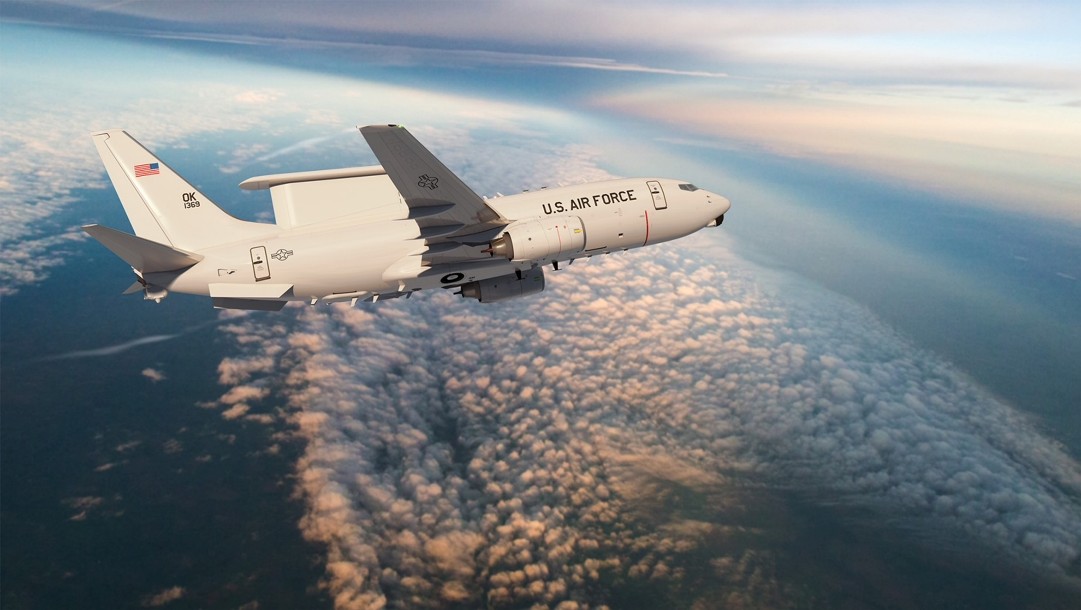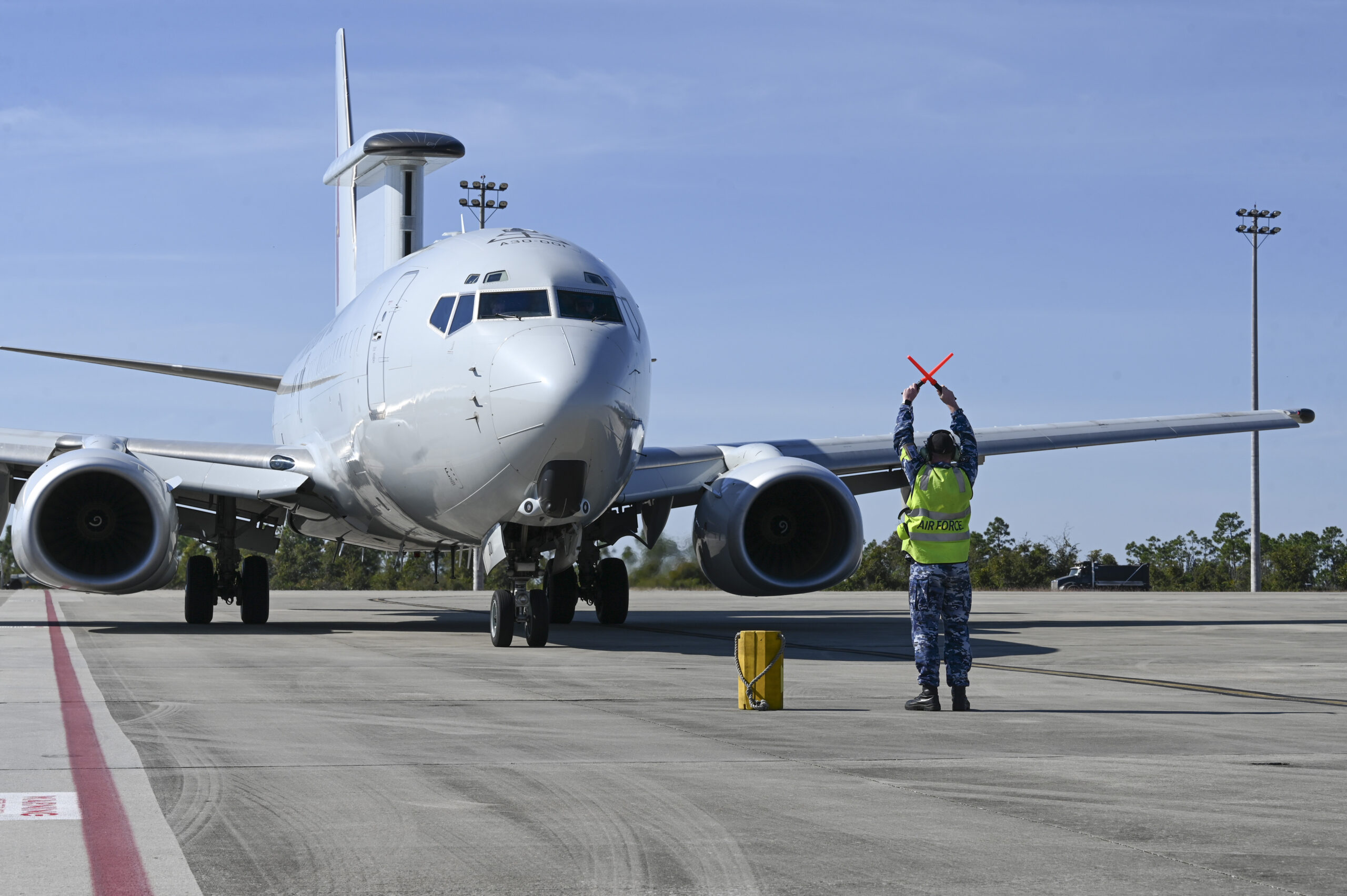
The US Air Force has canceled its ongoing E-7 Wedgetail Sentry Airborne Early Warning and Control System (AEW&CS) program as part of the government’s defense budget rollout for fiscal 2026.
The step follows predictions of the initiative’s possible termination as the Trump administration increasingly favors orbital systems with similar functions over airborne capabilities.
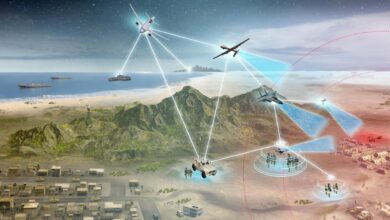
Although acknowledging that the E-7 is a “perfectly great platform,” a senior military official explained that it would be set aside for “large investment in space-based sensing,” which would also support other ambitious efforts to cover homeland defense and theater security in the Indo-Pacific.
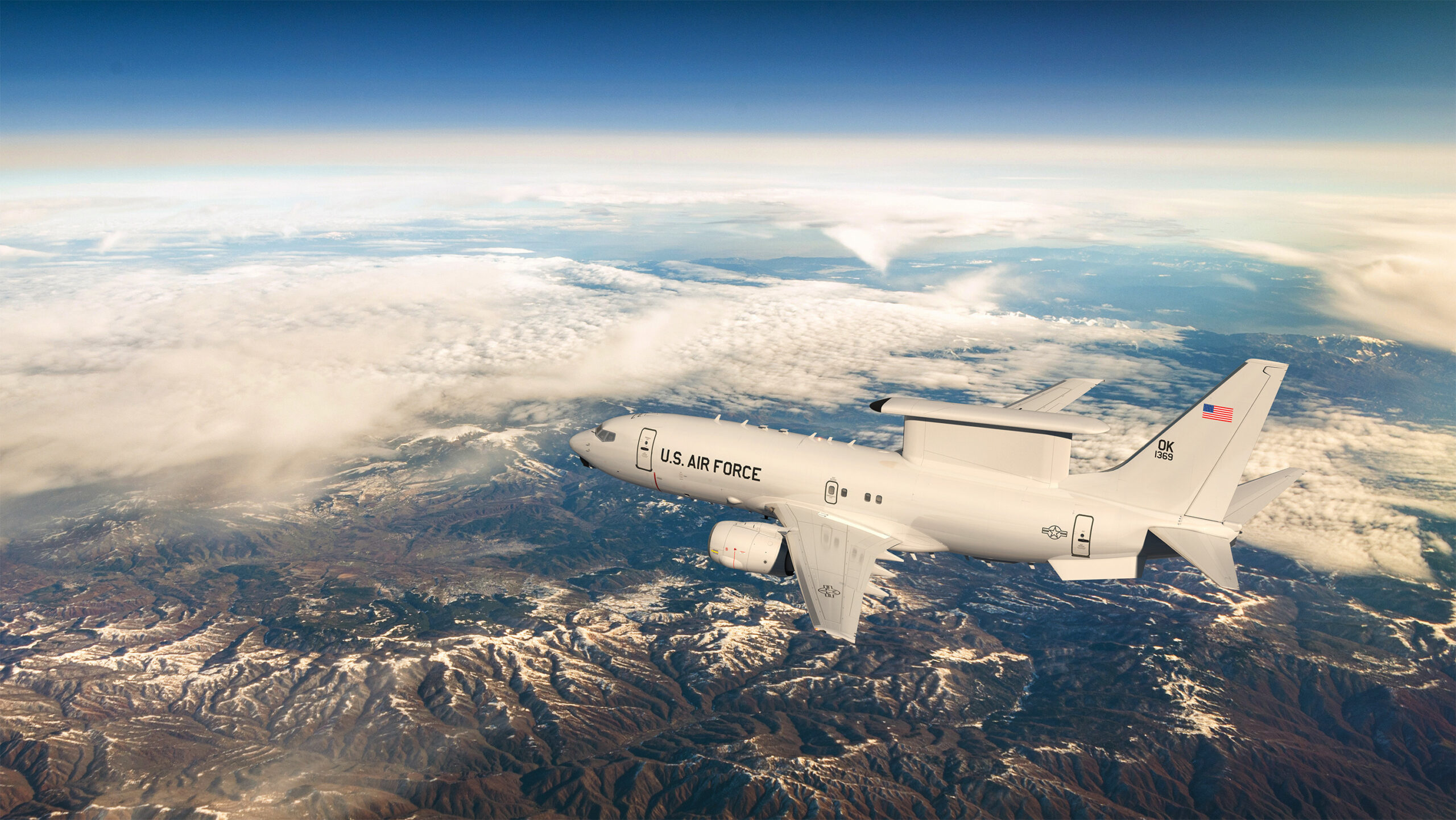
The E-7 was selected in 2022 to replace the E-3 Sentry AEW&CS system by 2027. Eventually, the Boeing-produced aircraft would operate alongside the service’s existing Northrop Grumman E-2D Hawkeye AEW.
It was initially planned that the air force would employ a fleet of 26 E-7s by 2032.
“The department is canceling the E-7 Wedgetail program due to significant delays with cost increases from $588 million to $724 million per aircraft and survivability concerns in a contested environment while investing in alternate solutions including space-based capabilities and adding additional E-2D aircraft,” the official said in a Pentagon media briefing.
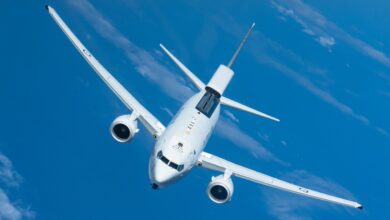
The E-7 Wedgetail
Based on Boeing’s 737, the E-7 is a proven aircraft that has been operational in allied forces since 2012. NATO is also currently under contract to adopt the plane in 2028.
The plane measures 110 feet (34 meters) long and has a wingspan of 117 feet (36 meters).
Its primary equipment is Northrop’s Multi-role Electronically Scanned Array Radar, which can collect data for up to 600 kilometers (374 miles) of range, simultaneously track 180 targets, and execute more than 20 intercepts.
Some E-7s are integrated with a signals intelligence array, allowing a maximum scan range of 850 kilometers (528 miles).
The aircraft is powered by twin CFM International CFM56 turbofan engines with a combined output of 136,500 horsepower for a top speed of 460 knots (852 kilometers/529 miles per hour), a service ceiling of 12,500 meters (41,010 feet), and a range of 3,500 nautical miles (6,482 kilometers/4,028 miles).