Beyond the Hype: The Real Impact of Turkey’s Bayraktar TB2

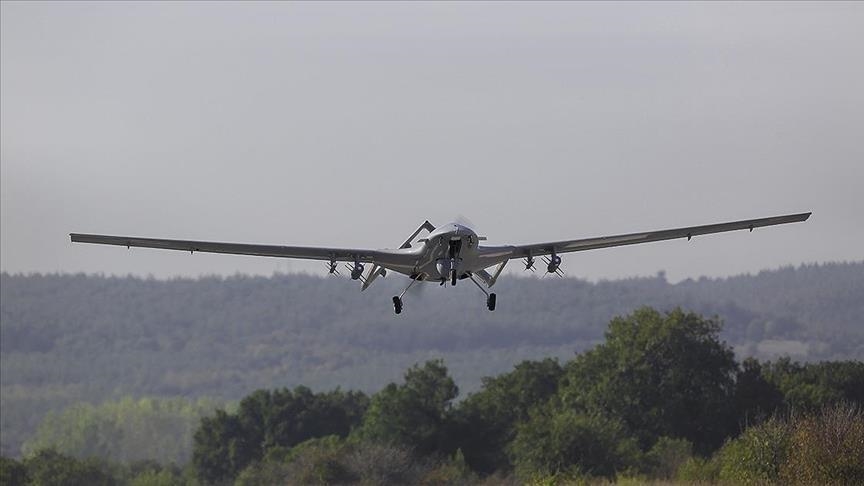
A small, propeller-driven aircraft takes off from a remote airstrip, its sleek fuselage carrying sensors and weapons instead of passengers.
For hours, it hovers silently over a battlefield or border region, streaming real-time intelligence and striking high-value targets with precision.
This is the Bayraktar TB2, a medium-altitude, long-endurance (MALE) drone that has transformed modern warfare and drone operations worldwide.
Read on to explore how the Bayraktar TB2 works, its operational history, and why it’s become a key asset for militaries and security forces globally.
What Is the Bayraktar TB2?
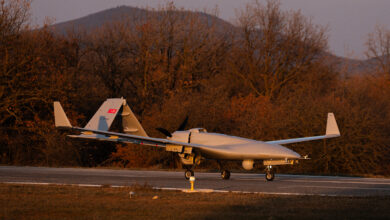
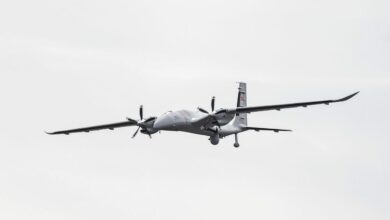
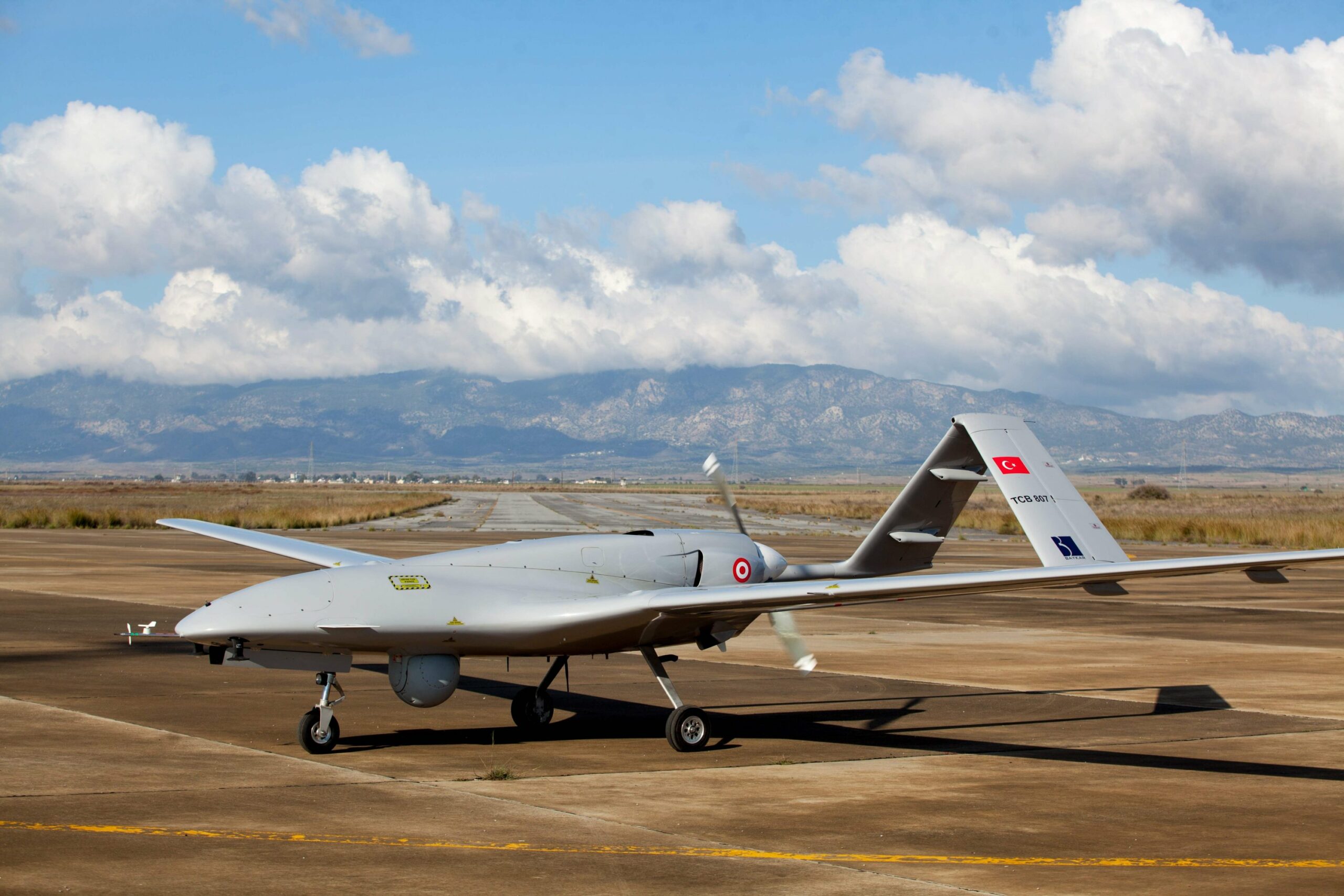
The Bayraktar TB2 is a Turkish-made unmanned aerial vehicle (UAV) designed for reconnaissance, surveillance, and armed strike missions.
Produced by Baykar Technologies, the drone integrates advanced avionics, a digital communication system, and lightweight precision munitions, making it capable of long-endurance missions with real-time intelligence feed to ground operators.
| Category: | Details: |
| Type | MALE UAV |
| Powerplant | 100 hp Internal Combustion Engine |
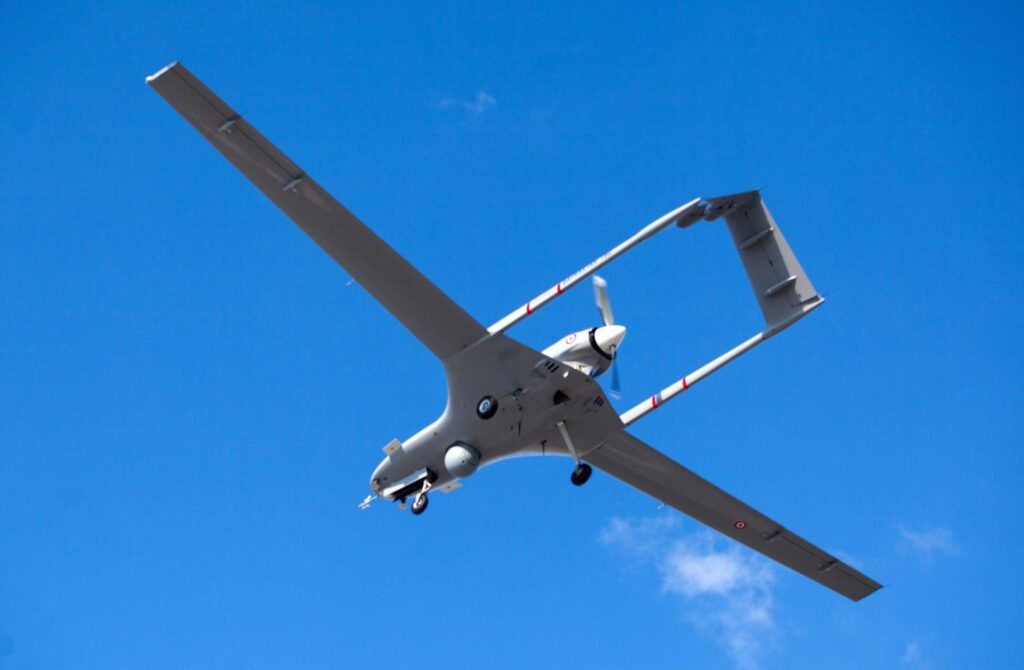
| Wingspan | 12 meters (39.4 feet) |
| Height | 2.2 meters (7.2 feet) |
| Length | 6.5 meters (21.3 feet) |
| Endurance | 24 hours |
| Service Ceiling | 22,000 feet (6,706 meters) |
| Operational Altitude | 16,000 feet (4,877 meters) |
| Flight Record | 27 hours and three minutes |
| Maximum Takeoff Weight | 700 kilograms (1,543 pounds) |
| Payload | Electro-optical/infrared camera, laser designator, guided munitions |
| Payload Capacity | 150 kilograms (330 pounds) |
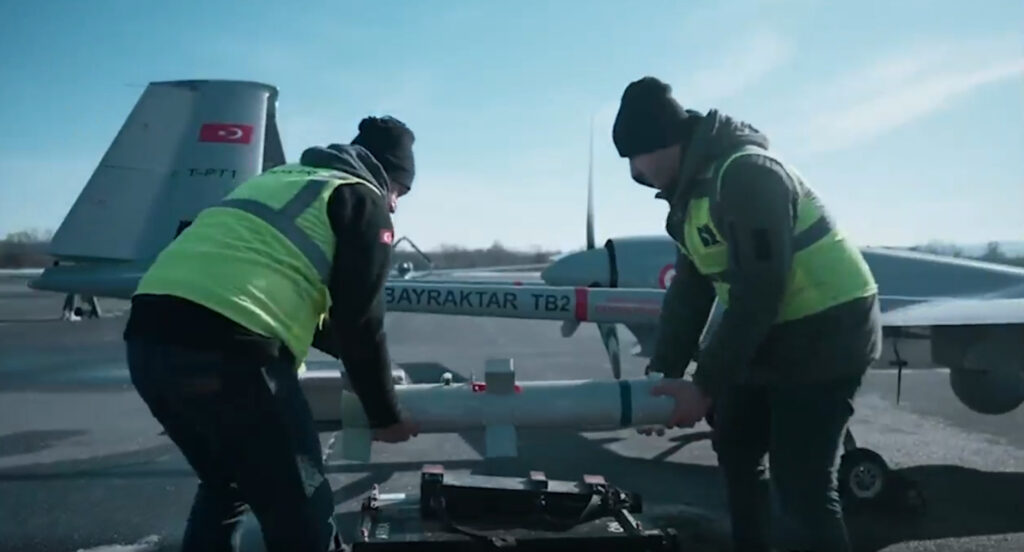
| Armament | Laser Guided Munitions, INS/GPS Guided Munitions, IR Guided Munitions, Mini Cruise Missiles |
| Launch and Recovery | Conventional runway |
| Communication | LOS and BLOS |
| Versions | TB2 and TB2-C |
| Operators | Turkey, and currently exported to at least 30 countries, including Ukraine, Colombia, Qatar, Poland, Morocco, Kuwait, and Indonesia |
How It Came to Be
The TB2 program began in the late 2000s as Turkey sought an indigenous UAV to reduce dependence on foreign systems.
Baykar Technologies led the design, with technical support from domestic partners for avionics, sensors, and weapon integration.
The first flight occurred in 2014, and the system has since been upgraded in multiple iterations to increase endurance, payload capacity, and precision strike capability.
The TB2 has been widely exported and adopted by nations such as Croatia, Lithuania, the Maldives, Albania, and Bangladesh, looking for a reliable, battle-tested UAV platform.
How It Works
Key Features
- Long-endurance flights: Capable of flying for more than 24 hours, the TB2 provides persistent surveillance and target tracking over wide areas without requiring frequent rotation or refueling.
- Precision strike capability: Equipped with laser-guided munitions such as Roketsan’s MAM series, the TB2 can engage high-value targets with controlled, accurate strikes designed to minimize unintended damage.
- Real-time ISR feed: The drone transmits live video, imagery, and telemetry data directly to operators, enabling immediate situational awareness and rapid decision-making on the ground.
- Autonomous navigation: GPS/INS guidance allows the TB2 to follow pre-programmed waypoints, conduct semi-autonomous missions, and automatically return to base if communication is lost.
Strengths
- Low operational cost: The TB2 offers a significantly more affordable platform for reconnaissance and strike missions, reducing both acquisition and operational expenses.
- High accuracy: Its laser-guided munitions and stabilized targeting systems enable precise target engagement, helping limit collateral damage in complex environments.
- Proven combat use: Successful in multiple operational theaters.
- Exportable and modular: The platform can be configured with different sensors and weapons packages to meet diverse mission requirements and customer needs.
Limitations
- Vulnerability to advanced air defenses: Its relatively low speed, limited stealth features, and larger radar signature make it susceptible to modern surface-to-air missile systems and sophisticated electronic warfare measures. In high-threat environments, it can be detected and targeted before completing its mission, limiting its survivability in contested airspace.
- Payload constraints: It cannot carry heavy munitions or large, advanced sensor packages that would be typical on larger UAVs or manned aircraft. This limits the scale and diversity of its strike or reconnaissance operations in a single sortie, requiring careful mission planning.
- Weather sensitivity: Severe weather conditions, such as high winds, heavy rain, or icing, can limit its operational range and reduce mission endurance. Extreme conditions can also degrade sensor performance.
Global Use and Operational Deployment
The Bayraktar TB2 has seen action in several theaters, demonstrating both ISR and precision strike roles:
- Syria and Libya: Provided reconnaissance and targeted strikes for Turkish-backed forces.
- Nagorno-Karabakh (2020): Key role in the Azerbaijan-Armenia conflict, used to destroy armored vehicles and artillery.
- Ukraine (2022–present): Significant ISR and strike missions against Russian forces, proving high operational impact.
- Other operators: Qatar, Poland, and several other nations use TB2s for surveillance and security missions.
Future Outlook
The Bayraktar TB2 is poised to see extended range and payload upgrades, along with enhanced survivability against advanced air defenses.
Improvements in AI-assisted targeting and autonomous operations will make missions more efficient and reduce operator workload.
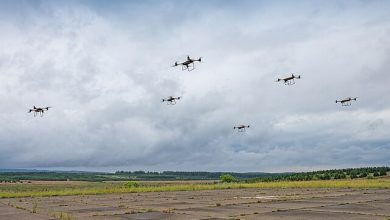
Future developments also aim to integrate multiple TB2 drones into coordinated networks, enabling simultaneous ISR and strike missions.