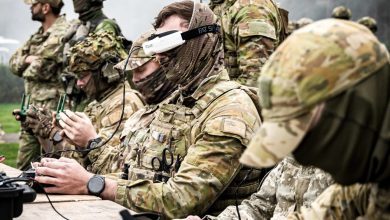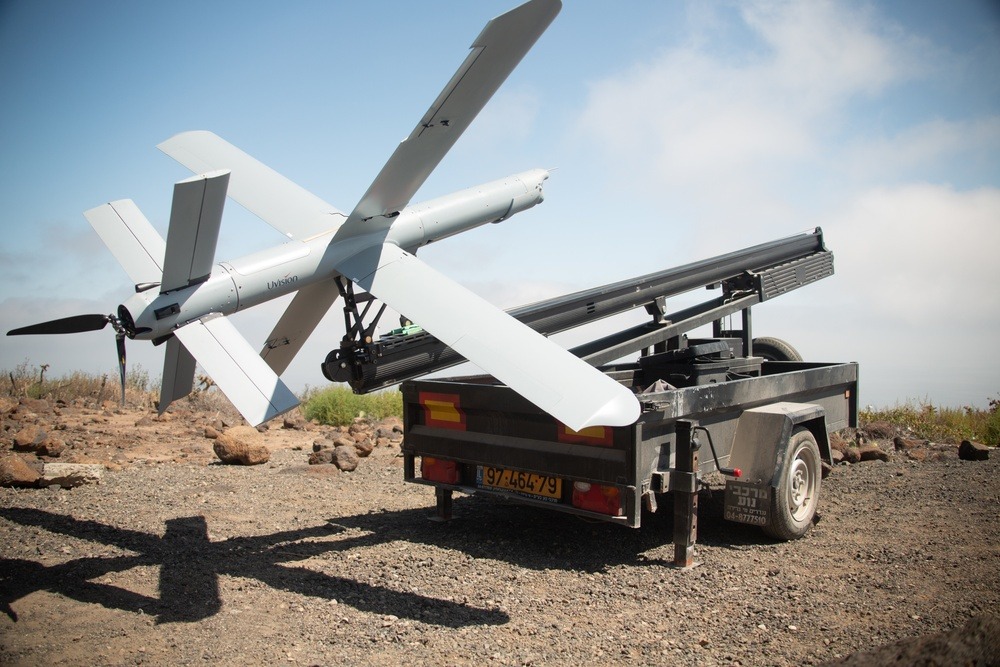
Think of a weapon that doesn’t just fire — it waits, watches, and strikes only when the moment is right.
That’s the Israeli-German HERO loitering munition series: a smart, adaptable family giving commanders real-time strike options beyond traditional artillery.
From infantry on rugged terrain to armored vehicles and naval platforms, the HERO loitering munition blends intelligence, surveillance, and precision strike into a single system.
Discover the story behind the HERO series and its global impact since entering service.
Origin of the HERO Loitering Munition
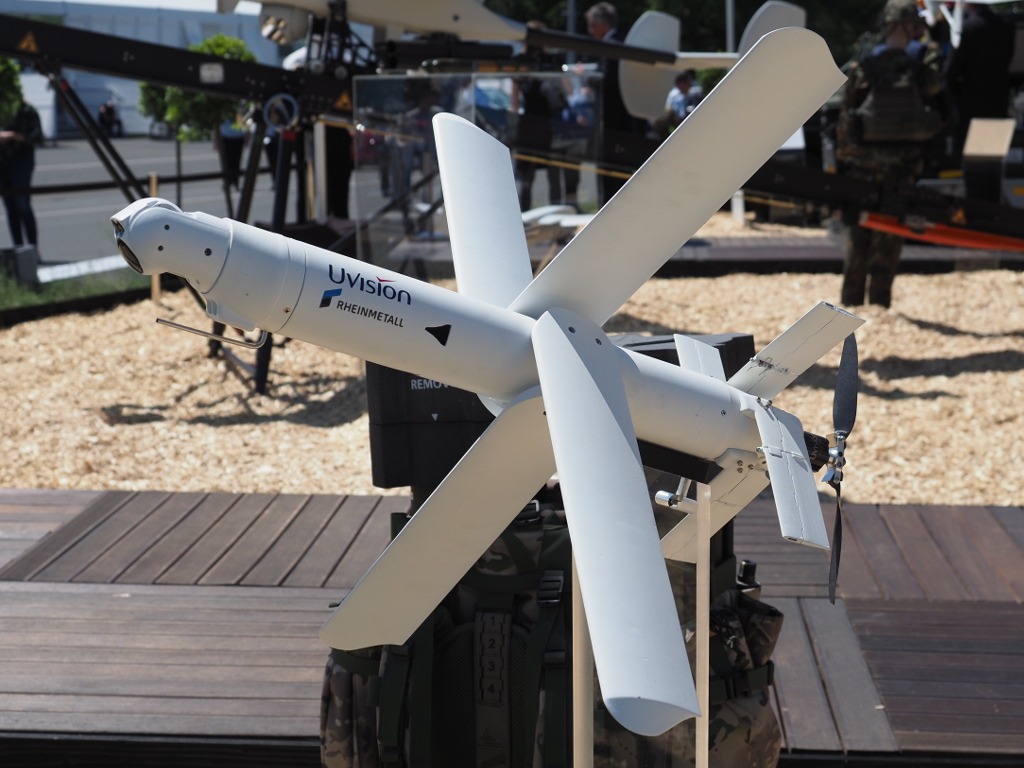
The HERO loitering munition was developed by UVision Air Ltd., an Israeli company specializing in loitering munitions, and German firm Rheinmetall, providing front-line forces with a precise, long-range attack capability that traditionally required coordinated sensor and fire teams.
Early on, UVision designed these systems to integrate intelligence, surveillance, and strike capabilities into a single platform that infantry, small units, and mechanized forces could operate without extensive logistics or support.
This approach reflects a broader shift in modern warfare away from standalone guided munitions toward loitering weapons that can search for targets, stay on station, and engage at the best moment, significantly increasing tactical flexibility.
The HERO Series
The HERO loitering munition family spans from very small, man-portable systems to large, long-endurance weapons.
This range of variants enables HERO to support missions from rapid tactical strikes by small units to long-range engagements with high-value targets.
Here is a summary of the HERO series:
| Variant | Role / Category | Weight | Warhead | Range | Endurance | Propulsion / Launch |
| HERO‑30 | Short‑range tactical, man‑portable | ~3 kilograms (6.6 pounds) | ~0.5 kilograms (1.1 pounds) | ~10 kilometers (6.2 miles) | ~30 min | Electric motor; canister launch |
| HERO‑90 | Mid‑range man‑portable / anti‑armor | ~7 to 8 kilograms (15.4 to 17.6 pounds) | ~1.2 kilograms (2.6 pounds) | ~40+ kilometers (24.9 miles) | ~45 min | Electric; canister launch |
| HERO‑120 | Medium‑range tactical/anti‑tank | ~12 kilograms (26.4 pounds) | ~4.5 kilograms (5.5 pounds) | ~40 to 60 kilometers (24.9 to 37.3 miles) | ~60 min | Electric; canister/vehicle launch |
| HERO‑400 | Long‑range tactical / operational | ~40 kilograms (88 pounds) | ~8 to 10 kilograms (18 to 22 pounds) | ~60 to 150 kilometers (37 to 93 miles) | ~2 hr | Electric; rail or multi‑canister |
| HERO‑900 | Extended long‑range operations | ~90 kilograms (198 pounds) | ~25 kilograms (55 pounds) | ~150 kilometers (93 miles) | ~6 hr | Gasoline; rail / multi‑canister |
| HERO‑1250 | Largest long‑range strategic | ~125 kilograms (276 pounds) | ~50 kilograms (110 pounds) | ~200 kilometers (124 miles) | ~6 to 10 hr | Gasoline; rail / multi‑canister |
HERO Loitering Munition: Precise and Controlled
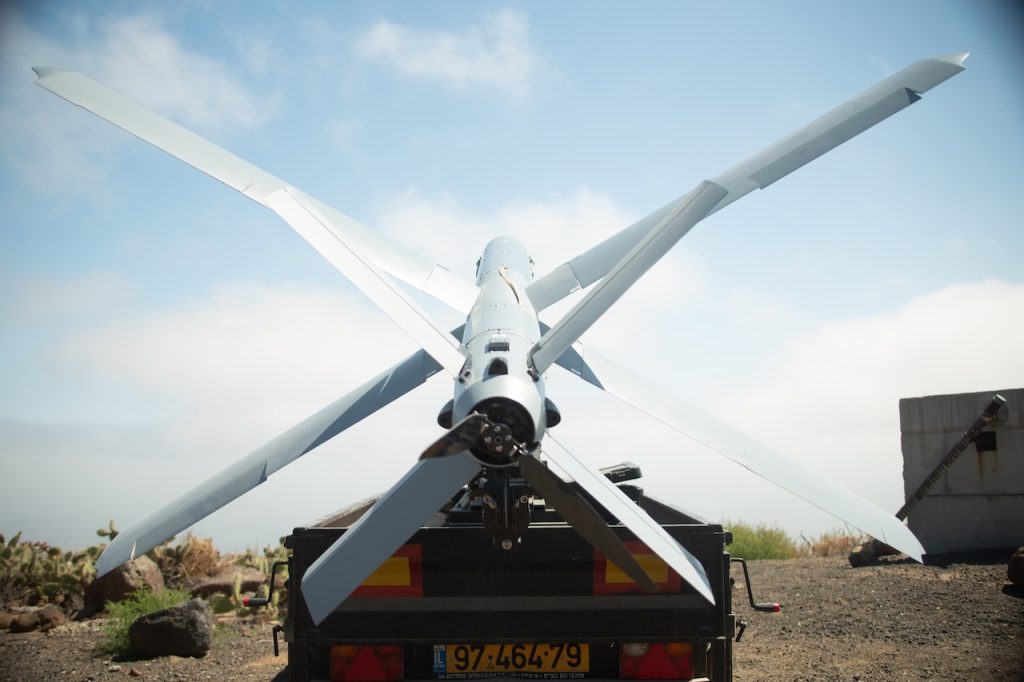
HERO systems are designed with cruciform wing configurations that enhance maneuverability and allow the munition to loiter over the battlefield while the operator monitors the situation.
Operators maintain a data link to the munition, using onboard EO/IR sensors to search for targets and select engagement points.
Unlike fully autonomous weapons, HERO preserves human oversight throughout the mission. Once launched from a pneumatic launcher or platform, the operator can direct the system, abort an attack, or re-target in real time — a critical advantage when civilian hazards or dynamic battlefield conditions are present.
Additionally, HERO variants are highly modular. Smaller versions are man-portable and can be fired by infantry within minutes.
Larger variants, meanwhile, launch from vehicles, naval vessels, or even airborne platforms. Recent developments allow aerial launches from helicopters without deep integration, expanding operational flexibility.
Strengths
- Precision strike combined with ISR: Operators can verify and engage targets with real-time visual feedback.
- Modular deployment: Ranges from man-portable to vehicle or naval mounting.
- Loiter and abort capability: Systems can abort or re-target mid-flight.
Limitations
- Line-of-sight datalink dependency: Range and performance tied to communications infrastructure.
- Payload tradeoffs: Smaller variants carry limited warheads for lighter targets.
- Operational complexity: Requires trained operators and robust C2 integration.
Where and How HERO Has Been Used Globally
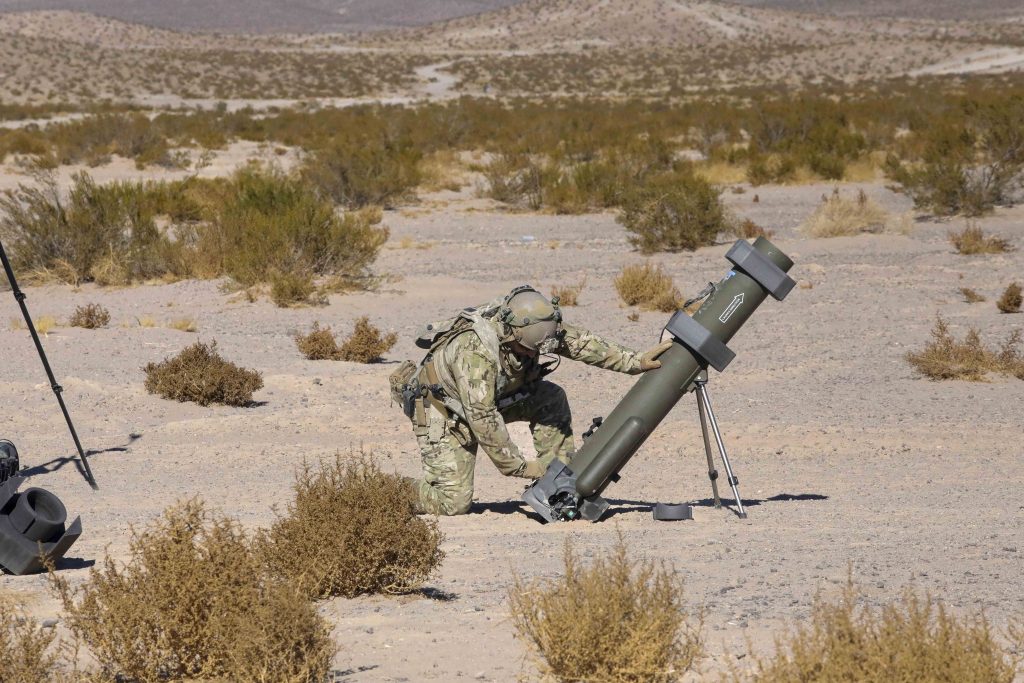
While specific operational deployments are often classified, HERO loitering munitions have been contracted or procured by multiple nations, including the US, Hungary, and Argentina, reflecting growing global demand for precision loitering systems.
Integration with allied vehicles, such as multi-canister launchers mounted on light armored vehicles, demonstrates how HERO systems are being embedded in modern artillery and precision fires units.
Future Outlook
The addition of aerial launch capabilities to HERO-120 broadens tactical use and interoperability with rotary-wing aircraft, potentially enabling rapid-strike options for expeditionary forces.
Rheinmetall and UVision are also producing units for NATO nations, signaling broader adoption and industrial investment.
Future upgrades may include tighter integration with C4ISR systems and AI-assisted target recognition, enhancing responsiveness and coordination across joint forces.