In the chaos of modern combat, size doesn’t always win — speed, protection, and firepower do.
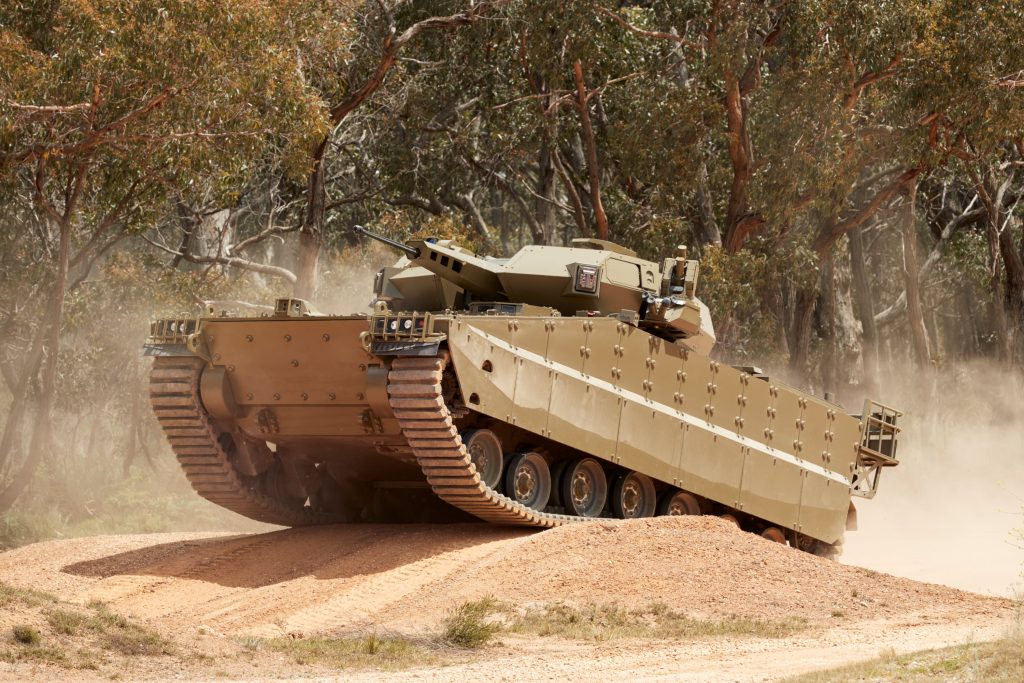
Like its namesake, the aggressive Australian Redback spider, the Redback infantry fighting vehicle can take on threats far larger than itself, giving troops the edge they need to survive and succeed.
The armored vehicle is designed to fight alongside soldiers, absorb threats, and adapt to any battlefield, providing the strength to dominate the front lines.
This guide breaks down how the Redback was developed, what it can do, and how it could shape the future of armored combat.
Understanding the Redback IFV
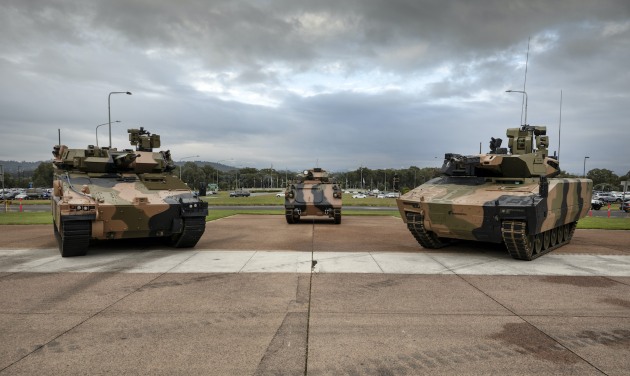
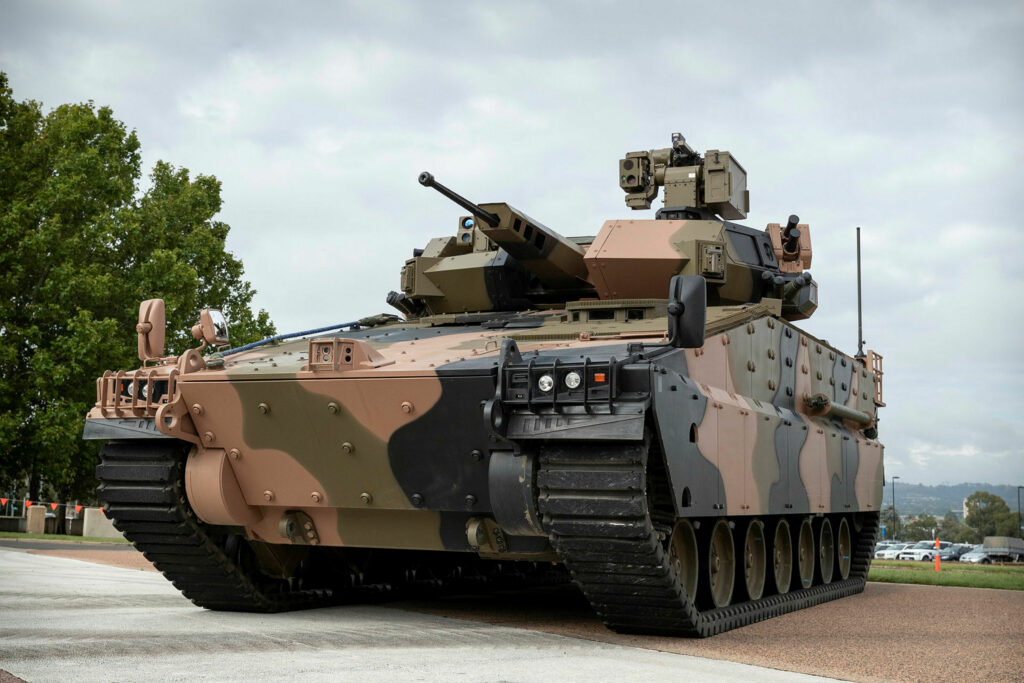
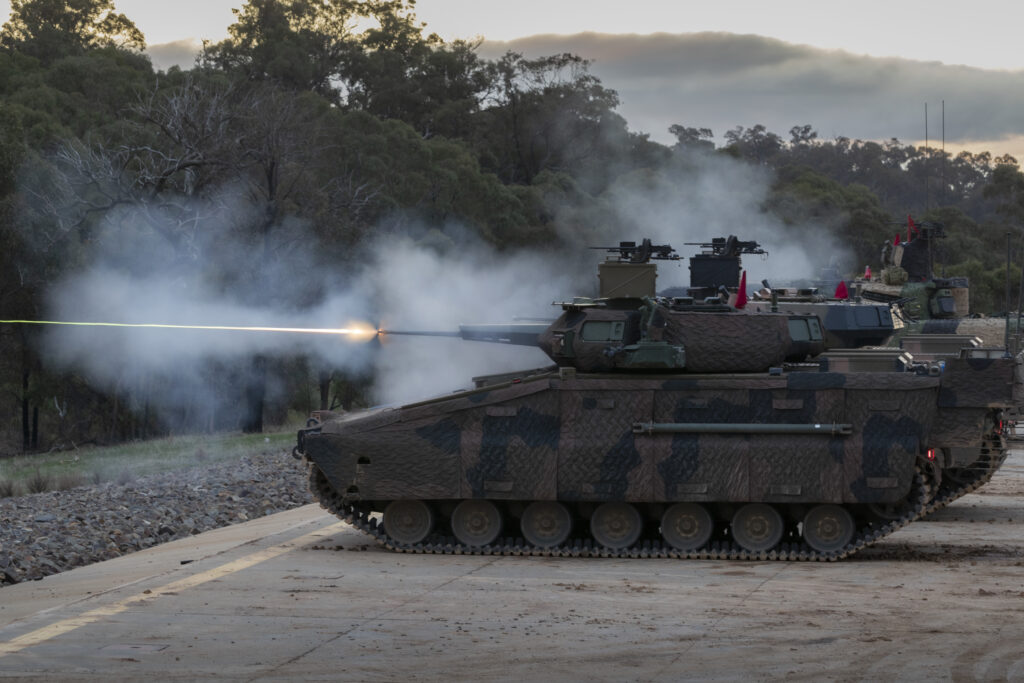
The Redback infantry fighting vehicle (IFV) is a next-generation tracked armored vehicle built by Hanwha Aerospace for the Australian Army.
It keeps soldiers one step ahead, using advanced sensors and modular weapons to switch between threats quickly while maintaining pinpoint accuracy.
The vehicle was developed under Australia’s LAND 400 Phase 3 program, which seeks to replace aging armored personnel carriers with a next-generation IFV capable of operating alongside main battle tanks, maneuvering in diverse terrains, and sustaining operations in high-intensity conflicts.
How the Redback Came to Be
The Redback IFV emerged from Australia’s broader push to modernize its land combat forces.
Under the LAND 400 program, the army set out to replace its aging M113 Armored Personnel Carrier fleet with a platform better suited to high-intensity, combined-arms warfare.
Rather than adapting an existing design, Hanwha Aerospace developed the AS21 Redback as a purpose-built solution shaped around Canberra’s operational needs, particularly survivability, digital integration, and adaptability across vast and varied terrain.
Following an extensive evaluation process that included direct competition with the Rheinmetall KF41 Lynx, the Redback was selected in 2023 as Australia’s next infantry fighting vehicle.
How the Redback Works
Active Protection Systems (APS)
The Redback employs a layered protection approach that pairs heavy passive armor with an APS that can intercept incoming anti-tank threats, such as guided missiles and rocket-propelled grenades, before impact.
The platform also incorporates blast-mitigating seating to reduce injury from mines or IEDs and a reinforced hull structure to deflect and absorb explosive force.
Firepower and Turret Design
The vehicle typically mounts the Mk44S Bushmaster II cannon in a remotely operated turret.
This 30mm automatic cannon is paired with a coaxial machine gun and can integrate anti-tank guided missiles, enabling the Redback to engage both armored vehicles and infantry targets.
In 2025, Hanhwa Defence Australia tapped EOS to provide the IFVs with R400 Remote Weapon Systems.
Digital Battlefield Awareness
The Redback incorporates modern battlefield management systems, sensors, and cameras that provide the crew with 360-degree situational awareness.
These systems support information sharing between vehicles and command units, improving coordination during operations. Targeting systems, such as the PASEO Joint Fires, will also be integrated to increase the vehicle’s survival rate and lethality.
Strengths
- High survivability: Layered armor, active protection, and blast-resistant design for enhanced crew protection.
- Modern sensors and networking: Integrated digital systems enabling faster threat detection and real-time battlefield awareness.
- Modular design: Open architecture supporting upgrades, mission kits, and future technologies.
Limitations
- Weight and mobility trade-offs: Over 40 tons; requires greater logistical support and reduces agility in some terrain.
- Limited combat history: New platform with limited real-world operational validation.
- Cost considerations: Advanced protection systems, sensors, and digital integration increase procurement and lifecycle expenses.
Global Use
The Redback’s first confirmed customer is the Australian Army, which plans to field the vehicle as part of its mechanized infantry modernization efforts.
Production will take place partly in Australia, supporting the domestic defense industry and long-term sustainment.
The platform may also attract interest from other countries seeking a heavily protected IFV for modern high-intensity warfare.
The program has also been targeted by hackers. Cyber Toufan, an Iranian-backed hacking group, posted classified plans including 3D models, blueprints, and technical details of the IFV on Telegram.
Future Outlook
As threats from anti-tank missiles and drones continue to evolve, platforms like the Redback are designed to keep pace with these threats, leveraging their features and advantages.
Future enhancements could include improved active protection technologies, autonomous features, and expanded weapon options, helping the vehicle remain relevant as battlefield requirements change.