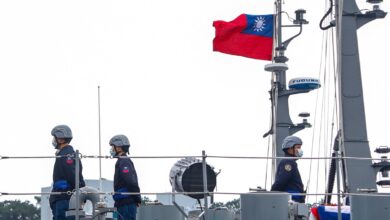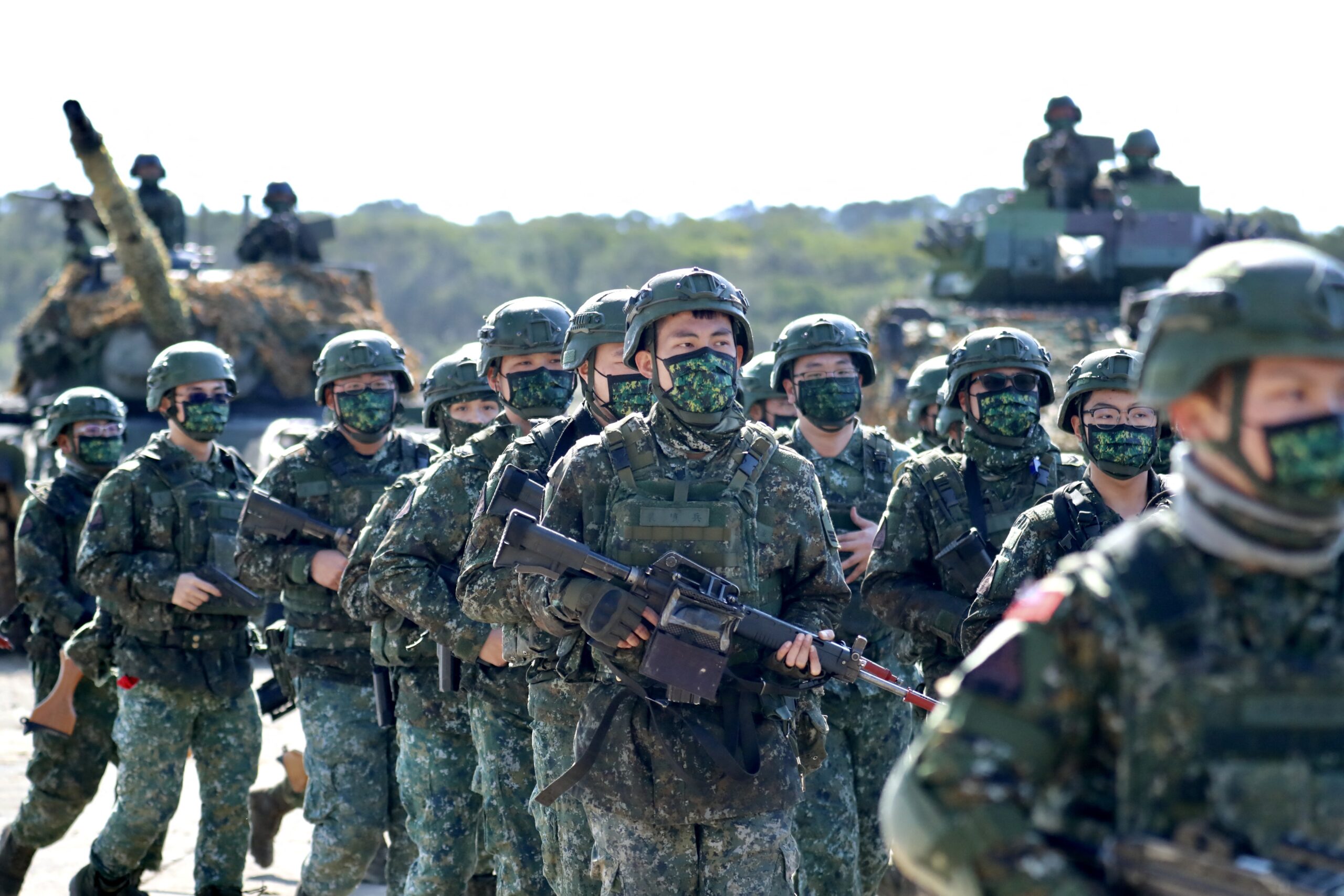
Taiwan’s army has launched an expanded combat training cycle to raise operational readiness and expose troops to more demanding battlefield conditions, according to Taiwan News.
The new program, known as Combat Training Center Rotation 2.0, has extended training periods from about five days to 10 consecutive days of continuous operations in simulated combat environments.
Unlike earlier rotations, the updated format also includes one-year conscripts, who are required to meet the same operational benchmarks as professional soldiers.
Conscripts who do not reach the required performance standards are required to repeat the training cycle.
The measure is intended to improve overall force integration and ensure that conscript personnel can operate effectively alongside regular units.
Units have already begun the initial training rotation at the army’s joint training facilities in northern and southern Taiwan.
The first phase of the program involves several formations of Taiwan’s ground forces, including the 586th, 584th, and 542nd Combined Arms Brigades, as well as the 39th Chemical Group, and the 52nd Engineer Group.
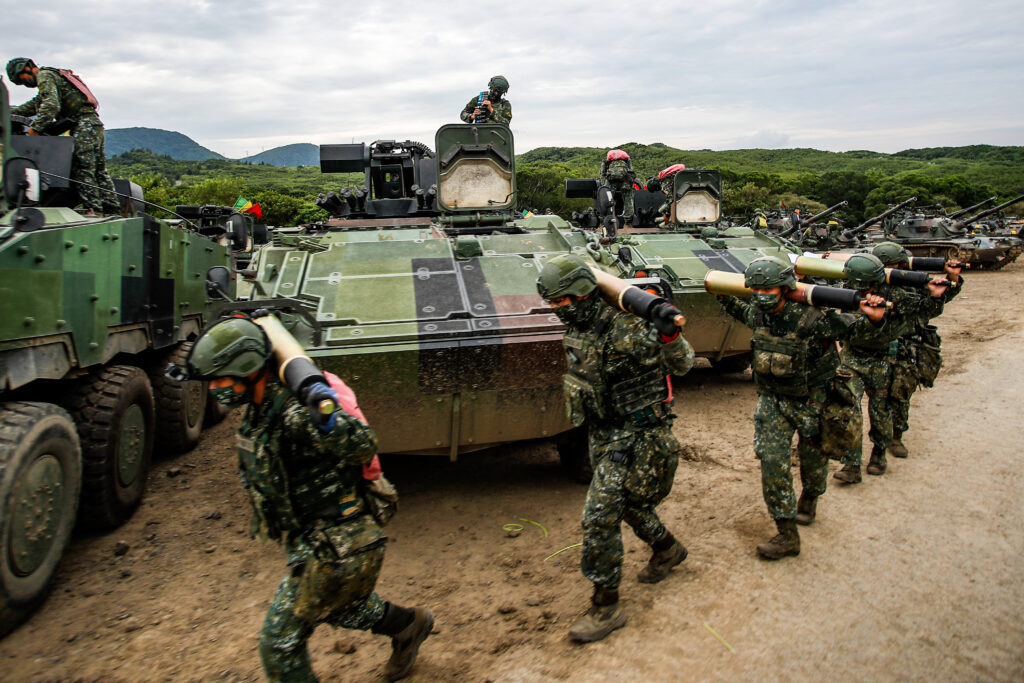
‘Scriptless’ Training Scenarios
One of the main changes in the exercises is the removal of fixed scenarios.
Instead of following a predefined sequence of events, units now face evolving situations during the training.
This requires commanders and troops to adjust decisions as conditions change.
The objective is to reproduce the unpredictability of real combat and evaluate how effectively different formations coordinate during fast-moving operations.
Moreover, the drills employ combat engagement simulation systems that use sensors and simulated weapons to replicate battlefield effects.
This allows soldiers to carry out realistic maneuvers and engagements with greater intensity while avoiding the risks associated with live ammunition.