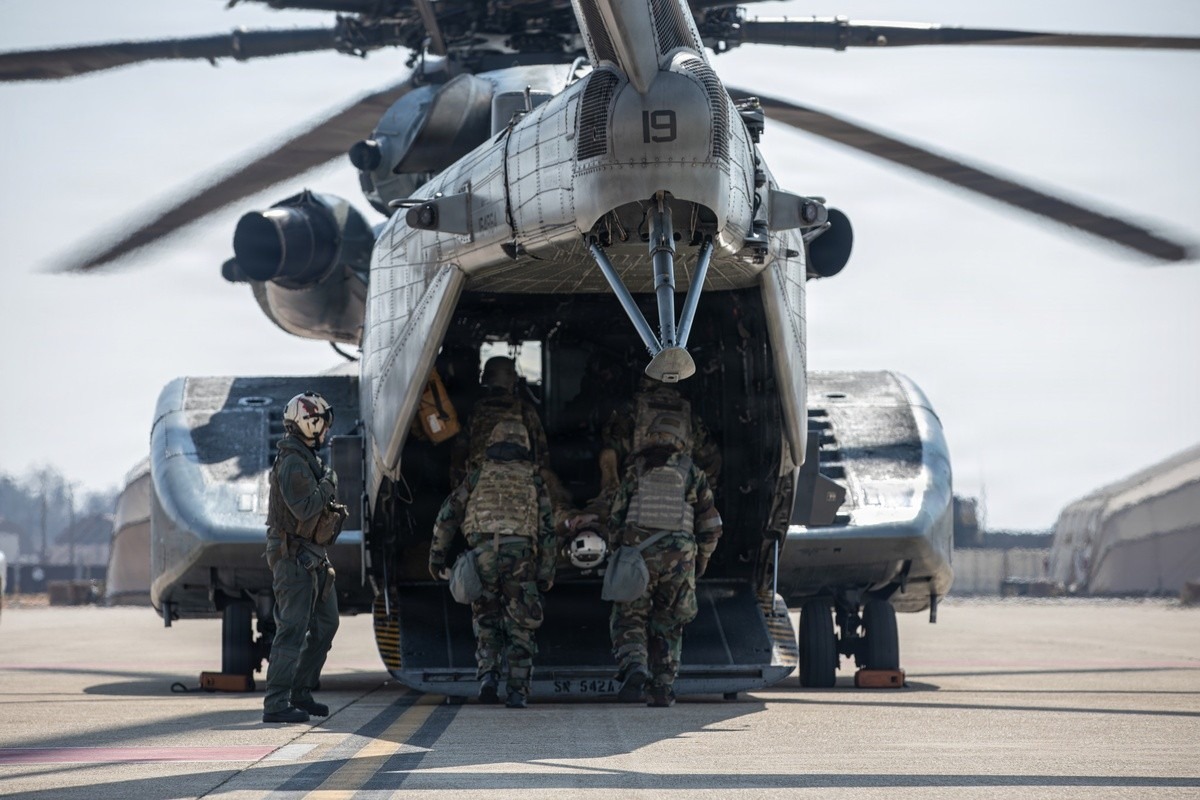
The US Air Force tested a contingency plan to keep aircraft operational if a runway is damaged, as part of the Freedom Shield 26 exercise at Osan Air Base in South Korea.
Airmen from the 51st Civil Engineer Squadron and the 51st Operations Support Squadron worked jointly to simulate how air operations could continue if the base’s main runway were disabled during an attack.
The scenario simulated significant runway damage, requiring rapid identification of an alternative way to continue flight operations.
Engineering teams first assessed the airfield and identified a usable section of the runway, known as the minimum operating strip.
This area was then marked with panels and boundary indicators to define a safe landing surface.
Once the strip was established, operations support personnel configured it for aircraft use.
This included setting up portable lighting systems, basic navigation aids, and radio communications to guide incoming aircraft.
The combined effort resulted in the rapid conversion of a damaged runway into a temporary landing zone.
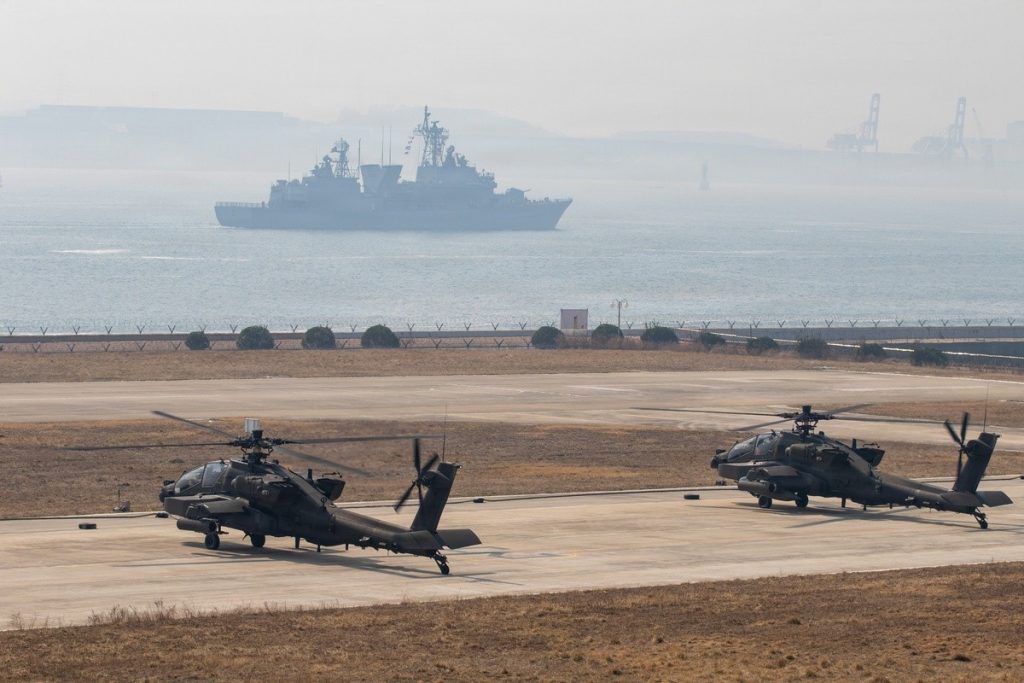
Freedom Shield Drills
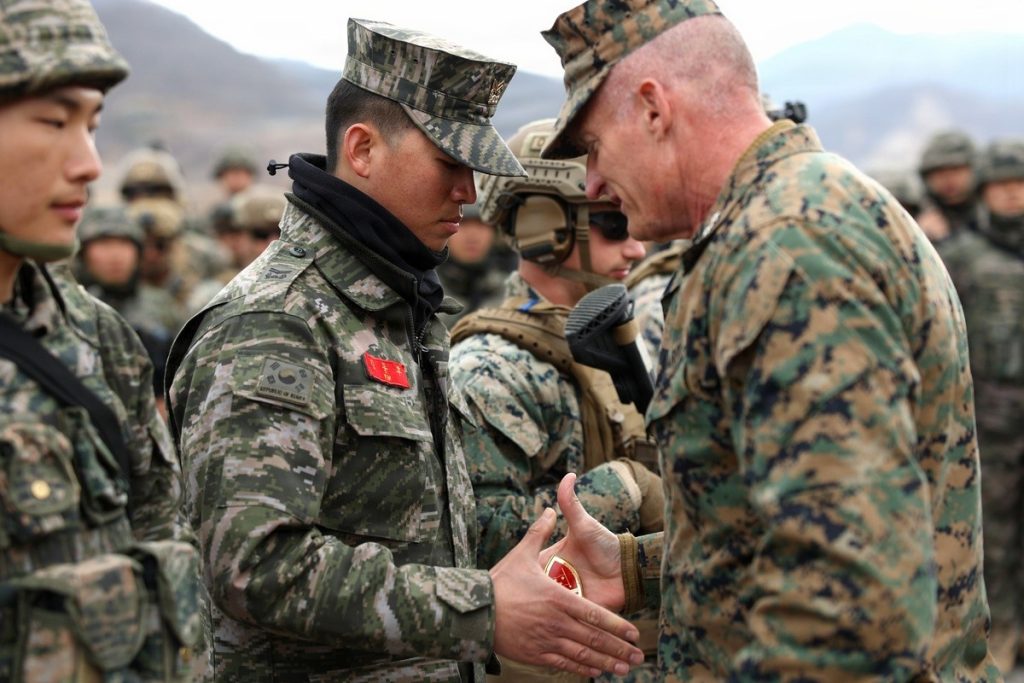
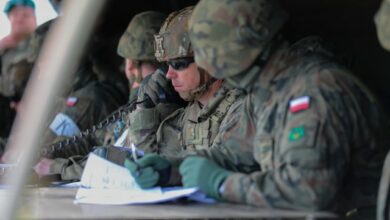
Freedom Shield is an annual drill involving US and South Korean forces.
It combines command post activities with large-scale field training to improve coordination between planning and operational units and enable faster responses in complex scenarios.
This year’s edition integrated lessons from recent conflicts to make training scenarios more realistic and maintain joint readiness.
The drills were conducted under the Combined Forces Command, where forces coordinated activities across multiple domains.
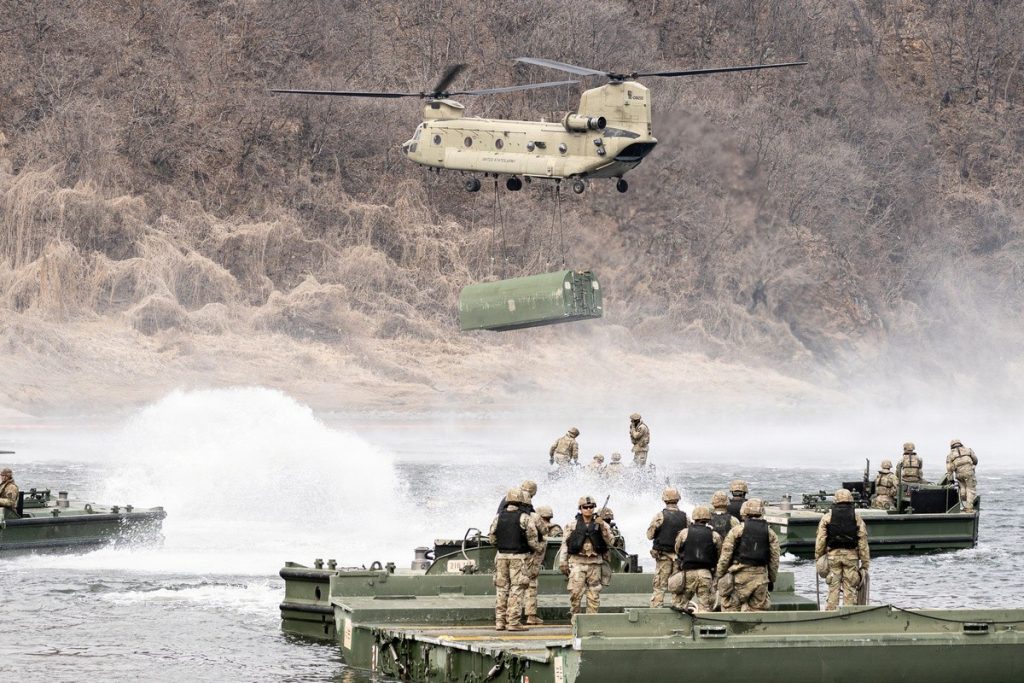
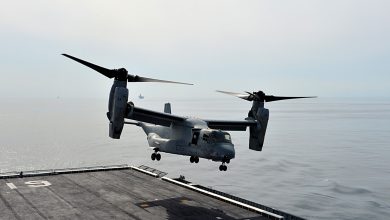
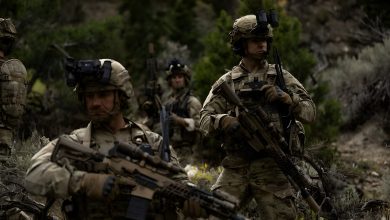
They involved ground, maritime, and air units, focusing on interoperability and tactical execution under field conditions.
“Freedom Shield 26 demonstrates the strength of our alliance and our ability to train, build readiness, and operate seamlessly as one force,” said Gen. Xavier T. Brunson, commander of United Nations Command, Combined Forces Command, and US Forces Korea.
“No other alliance trains as we do from competition, to crisis, to conflict, all with an eye to peace and stability on the Korean Peninsula and in Northeast Asia.