The UK Defence Innovation (UKDI) office has launched a rapid innovation competition to fast‑track technologies that can be fielded within a year, pushing industry to deliver solutions at the speed of evolving threats.
Rather than funding long studies or off‑the‑shelf products, UKDI is seeking proposals that can be demonstrated quickly and scaled for manufacture, with projects expected to reach Technology Readiness Level 6 (TRL 6) within six months.
Proposals can request between 350,000 and 1 million pounds ($406,000 and $1.3 million), and multiple submissions may be funded across seven defined challenge areas.
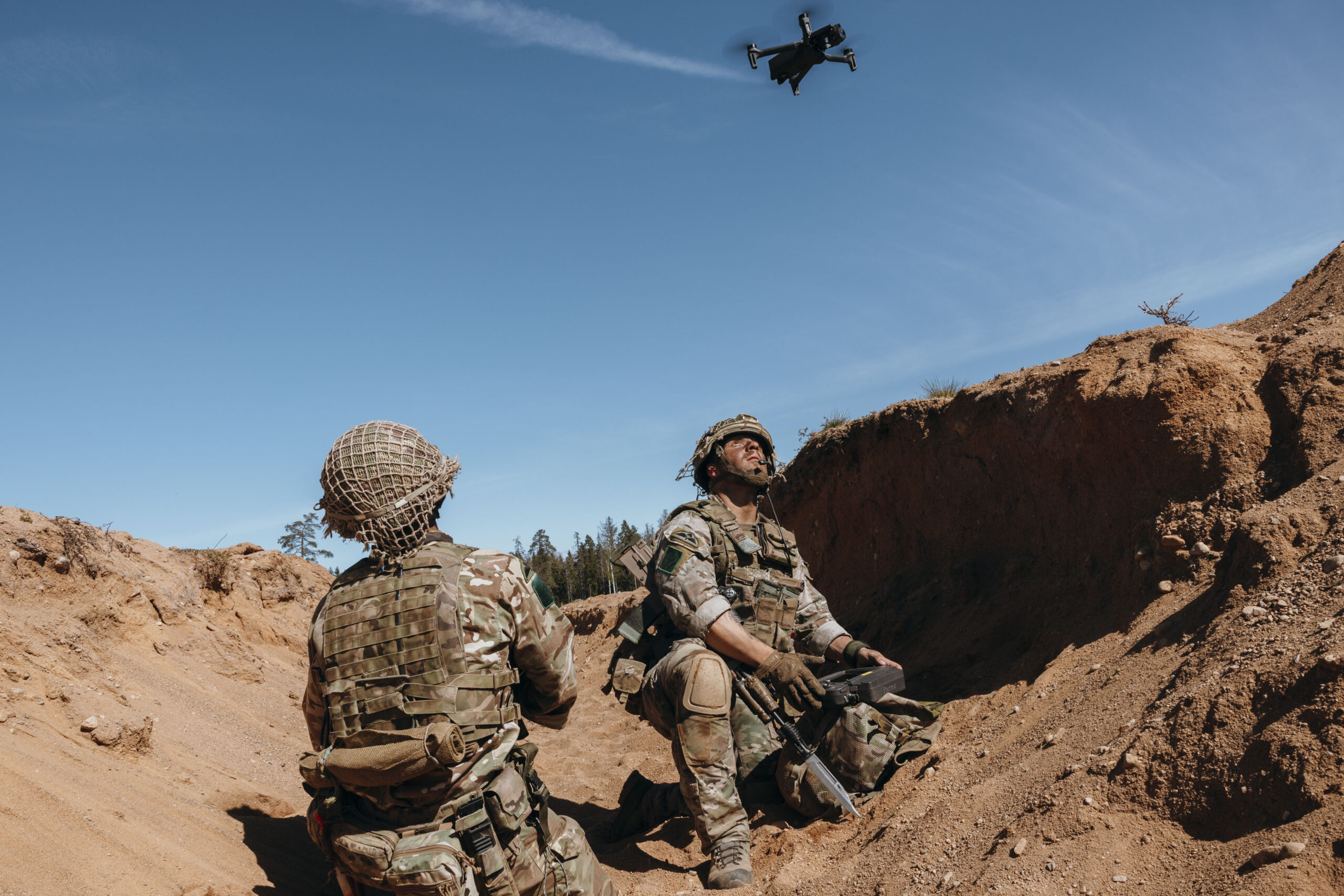
Among the priorities are counter‑drone interceptor sensors capable of tracking fast, low‑altitude threats at closing speeds approaching Mach 1, and passive seekers for one‑way attack drones that resist countermeasures.
What the UK Needs
UKDI also wants advancements in autonomous navigation without reliance on Global Navigation Satellite Systems (GNSS), survivability solutions such as radar‑absorbent materials, and low‑probability‑of‑detection telemetry systems capable of long-range data links.
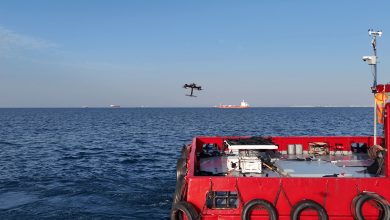
Maritime concerns are also represented, with navigation systems for unmanned surface vessels operating at up to 60 knots (112 kilometers/69 miles per hour) without GNSS and automated terminal guidance solutions that leverage existing onboard hardware.
GNSS are networks of satellites that provide geolocation and time information to receivers on Earth anywhere, anytime, and under any weather conditions. They enable navigation, mapping, and precise timing for civilian and military use.
Submissions for the competition must outline a clear development path, demonstrate cost competitiveness, and explain how technologies could transition beyond the competition.
UKDI emphasized that it will not support proposals that are essentially literature reviews, resubmissions of past bids, or systems that cannot achieve a TRL 6 outcome within the project timeframe.
Platforms themselves are also excluded unless paired with demonstrable new technology.