The US subsidiary of Israel’s Rafael Advanced Defense Systems has joined Phase I of the US Army’s search for a second interceptor under the Indirect Fire Protection Capability (IFPC) Increment 2 program.
The company joins Lockheed Martin and a Boeing–Anduril team as the US Army seeks to counter low-flying, fast threats such as cruise missiles and drones.
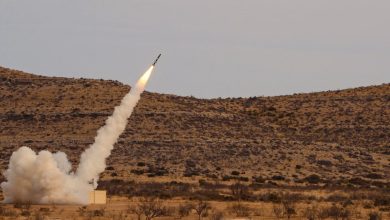
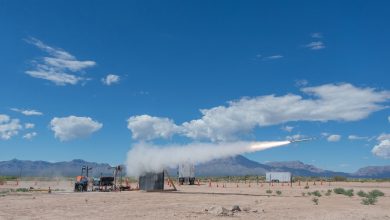
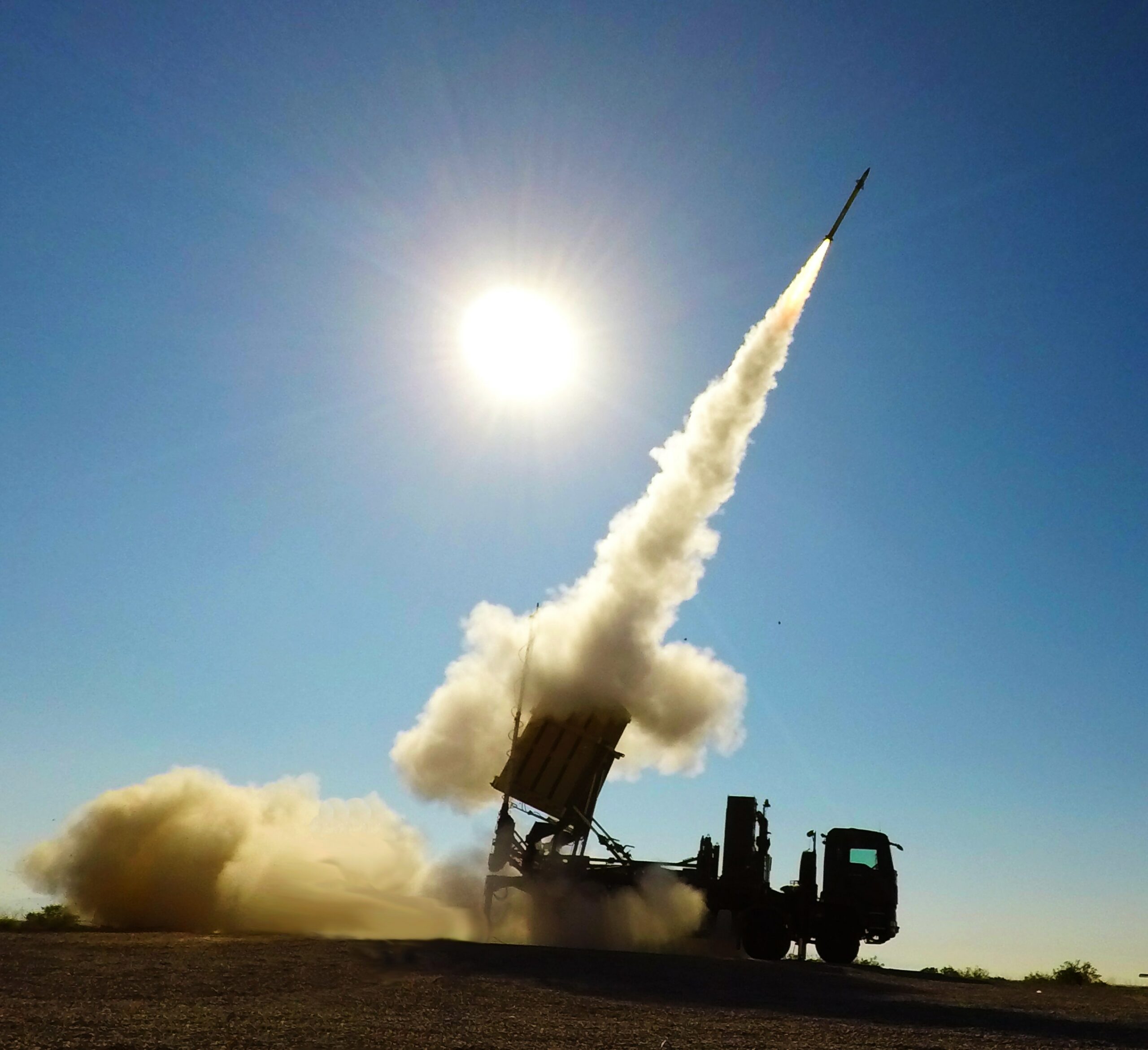
An industry source told Breaking Defense that Rafael’s proposed interceptor is derived from an updated version of the Tamir missile, which is used in Israel’s Iron Dome system.
Rafael and RTX have also established a production facility in Arkansas to manufacture Tamir missiles and a US-specific variant known as SkyHunter.
Army Seeks ‘More Capable’ Interceptor
The army’s search for a second IFPC Increment 2 interceptor began more than two years ago, as the service assessed emerging cruise missile and aerial threats that exceed the performance envelope of existing systems.
In late 2024, the army awarded its primary IFPC Increment 2 contract to a Dynetics–RTX team. That solution combines Leidos subsidiary Dynetics’ Enduring Shield launcher with a ground-launched version of the AIM-9X Sidewinder missile.
However, as the program matured, army officials determined that an additional interceptor would be required to counter lower-flying, faster threats such as supersonic cruise missiles.
In June 2024, then–Brig. Gen. Frank Lozano, who was serving as the army’s Program Executive Officer for Missiles and Space at the time, said the service needed a second, “more capable” interceptor to close that gap.
Lozano has since been promoted to Program Acquisition Executive for Fires, overseeing the IFPC portfolio.
Competitive Landscape and Timeline
Rafael previously competed for the IFPC Increment 2 mission as part of a Rafael–RTX bid centered on an Iron Dome–derived system but was not selected.
Army officials have cited concerns in the past about integrating Iron Dome components into the broader US air and missile defense architecture, though the US Marine Corps has fielded a related capability through its Medium-Range Intercept Capability program.
Lockheed Martin announced in October that it had received an Other Transaction Authority award to advance its interceptor concept into Phase I of the second IFPC Increment 2 competition.
In December, Boeing and Anduril disclosed that their jointly developed interceptor — using a solid rocket motor supplied by Anduril — had also been selected.
According to Boeing, the army plans to determine later this year which competitors will advance to the prototyping phase.
The service has not publicly confirmed a downselect timeline or final award date, but earlier reporting has indicated that the army aims to begin fielding IFPC Increment 2 capabilities in the early 2030s.