Singapore, Epirus Team on Microwave Weapons to Defeat Drones

Singapore and Epirus have signed a memorandum of understanding to explore high-power microwave defense technology to counter unmanned aerial systems (UAS).
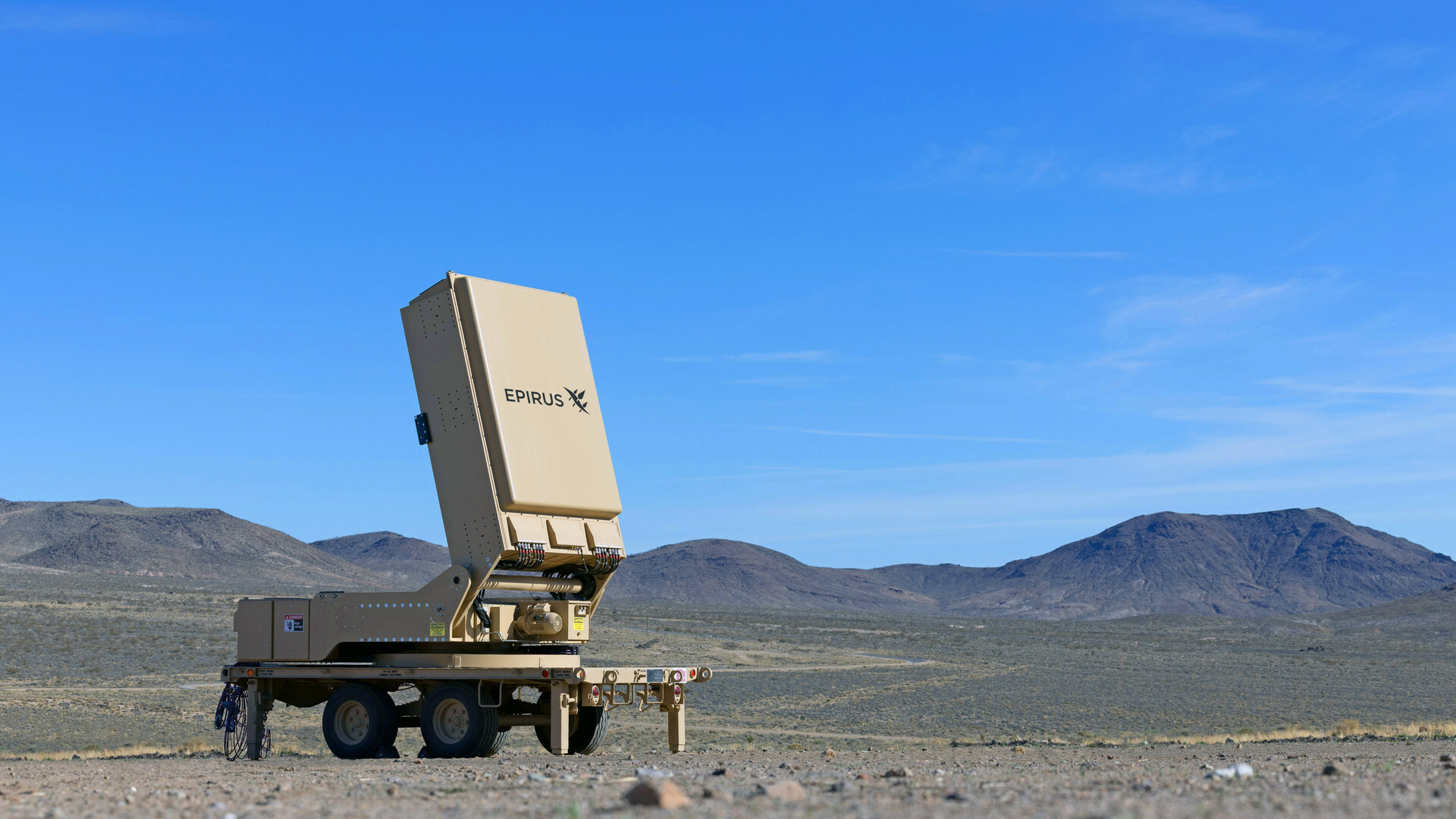
The teaming, which involves the government’s Defence Science and Technology Agency (DSTA), will center on evaluating microwave systems that generate electromagnetic interference to disrupt or disable drone electronics.
The capability is aimed at addressing emerging threats from so-called “dark drones,” including fiber-optic guided and artificial intelligence-controlled systems that can evade traditional electronic warfare measures.
Throughout the partnership, the agency and the California-based company will facilitate technical knowledge exchange and joint testing to assess system performance across multiple deployment scenarios.
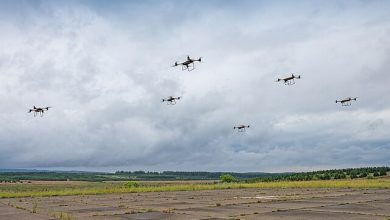
Planned trials will evaluate effectiveness against single UAS and coordinated swarm attacks in varied domains, supporting the Southeast Asian country’s efforts to improve counter-electronics capabilities and protect critical assets.
“As asymmetric threats continue to grow in scale and sophistication, DSTA is committed to exploring novel solutions and ensure that we are prepared for the threats of tomorrow,” said Ng Chad-Son, chief executive at DSTA.
“We look forward to working with innovative partners like Epirus, tapping on their expertise to provide a decisive advantage for the Singapore Armed Forces.”
Testing Against Fiber-Optic Drone
The collaboration follows Epirus’ demonstration in December 2025, when the company’s proprietary Leonidas counter-UAS solution neutralized a fiber-optic guided drone during a live-fire test at a US government facility.
According to Epirus, the event marked the first known use of weaponized electromagnetic interference to defeat a fiber-optic guided unmanned system.
Fiber-optic first-person view drones, widely used in the Ukraine conflict, do not rely on radio-frequency command links, making them resistant to jamming and spoofing.
Epirus said its Leonidas system induces failure within onboard electronics using directed, non-ionizing electromagnetic energy rather than kinetic effects.