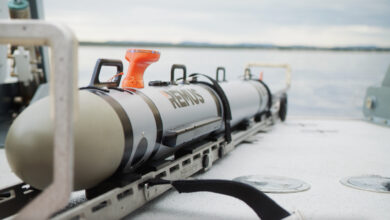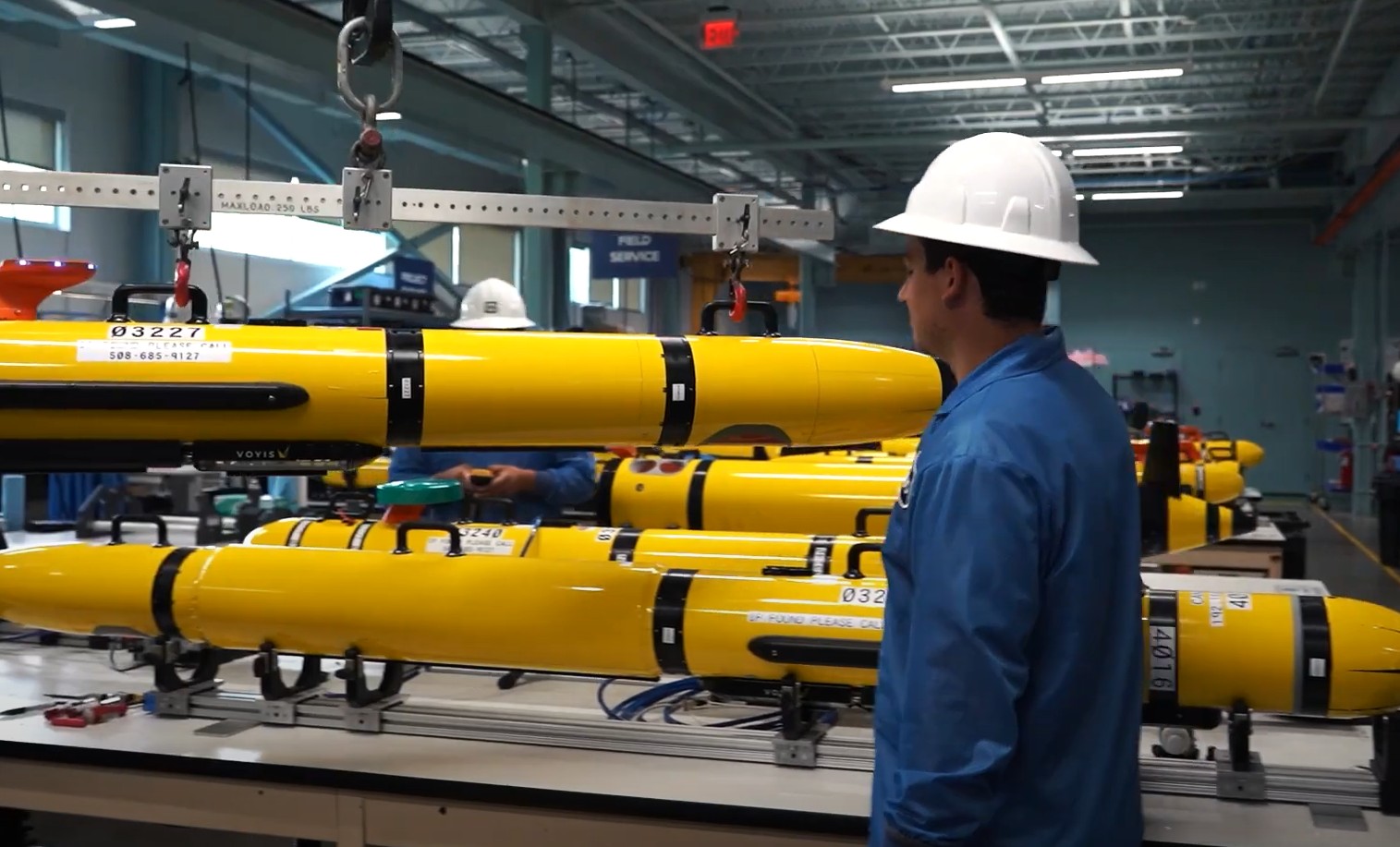
HII has doubled the size of its unmanned underwater vehicle facility in Portchester, UK, increasing capacity to support operators of the REMUS family of underwater drones.
The site will serve as a regional hub providing operational, technical, and logistics support for unmanned systems used by the Royal Navy, US combatant commands, and other European partners.
The facility will deliver live and virtual training, integration, and sustainment for electronic warfare, AI systems, and fleet modernization.
The site will also support the rollout of HII’s ROMULUS unmanned surface vessels (USVs), scheduled to become available later this year.
HII’s unmanned systems feature modular designs and long endurance, supporting defense, commercial, and research operations.
They are used for mine countermeasures, hydrographic mapping, intelligence gathering, and environmental monitoring.
HII Systems
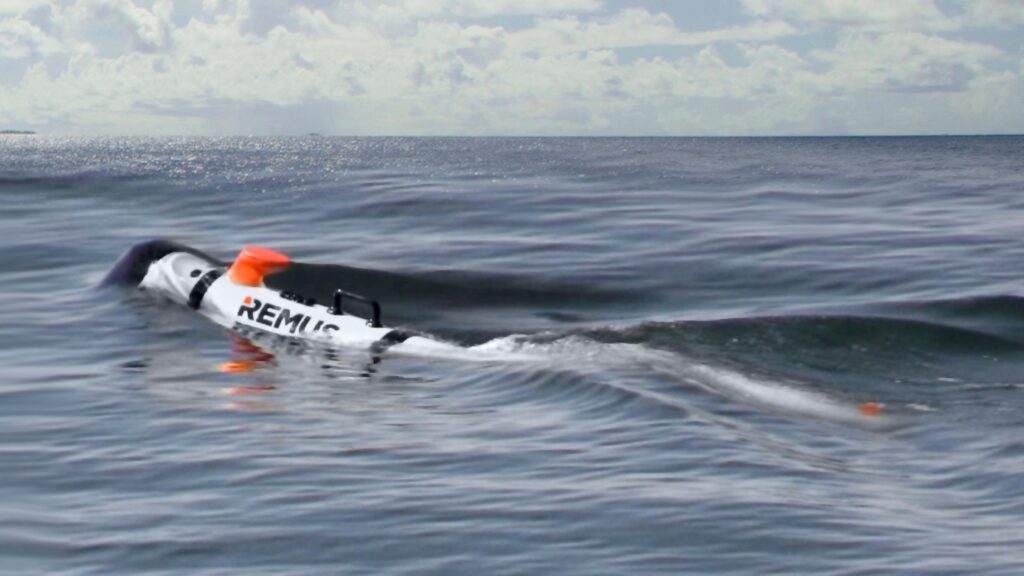
The REMUS line spans several variants tailored to specific mission needs and operating depths.
REMUS 130 is compact, designed for operations to depths of 130 meters (427 feet), and can be rapidly deployed, while the REMUS 300 offers greater range and payload capacity to depths of 300 meters (984 feet).
REMUS 620 adds modular upgrades and modern electronics, with a battery life of up to 110 hours, a range of 275 nautical miles (510 kilometers/317 miles), and can operate at depths of up to 620 meters (2,034 feet).
The REMUS 6000 operates at depths of up to 6,000 meters (19,700 feet) for deep-sea recovery and complex scientific missions.
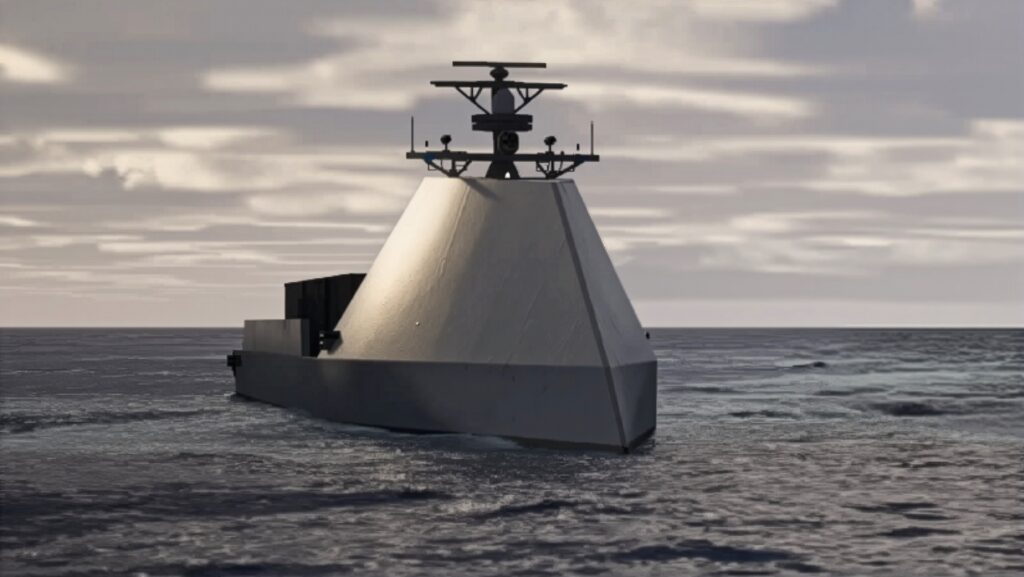
The ROMULUS family of USVs uses AI tools through the Odyssey Autonomous Control System, enabling the vessels to operate autonomously in open-ocean conditions, perform coordinated swarm operations, and adapt to modular payloads.
Lead model ROMULUS 190 is under construction, with sea trials planned for this year.
Built on a commercial-standard hull for repeatable production, these vessels can reach speeds over 25 knots (46 kilometers/29 miles per hour) and operate over ranges of 2,500 nautical miles (4,630 kilometers/2,880 miles).