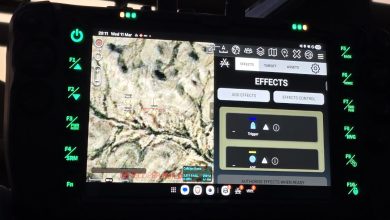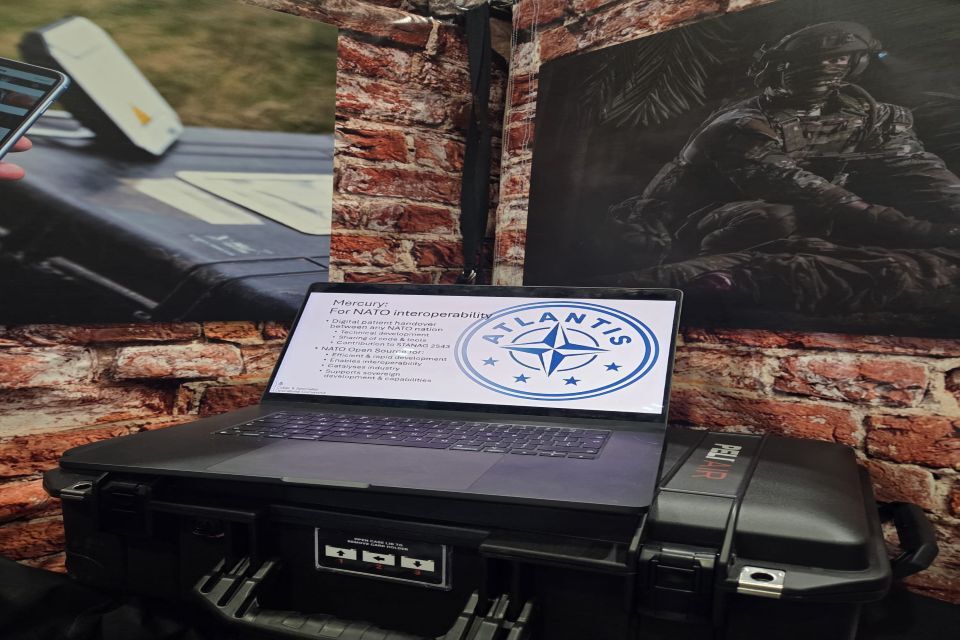
The UK’s Defence Medical Services has awarded a contract worth 2.5 million pounds ($3.3 million) to Avenue3 to roll out Project Mercury, a secure electronic health record system for military clinicians operating anywhere in the world.
Project Mercury allows clinicians to view, record, and share medical data across multiple devices, even in remote locations without internet access.
Avenue3, a Leeds-based digital healthcare consultancy, will work closely with UK and NATO clinicians to rapidly optimize the platform for current and future operations.
Using Near Field Communication technology — similar to contactless card payments — the system enables offline data transfer, ensuring that medical personnel have up-to-date patient information in operational settings.
Transitioning from proof-of-concept to full implementation, the first live release of Project Mercury is scheduled for Spring 2026, with continued development and rollout through 2027.
Michael Claydon, Clinical Lead for Project Mercury, described the system as “a real game changer,” highlighting its potential to improve accuracy and effectiveness of care for deployed personnel.
Modernizing UK Military Healthcare
The UK has steadily invested in modernizing healthcare for its armed forces over the past few years.
In 2022, Defence Medical Services launched an effort to consolidate disparate health records into a single secure digital environment for service members.
In 2023, the Ministry of Defence initiated a program to upgrade field medical kits with digital monitoring devices, enabling real-time transmission of vital signs from deployed units back to base hospitals.
Work on Programme Cortisone continues in parallel, with efforts to build a cohesive Healthcare Information Services ecosystem capable of handling both firm‑base and deployed needs, including offline record access and interoperability across Defence Medical Services branches.