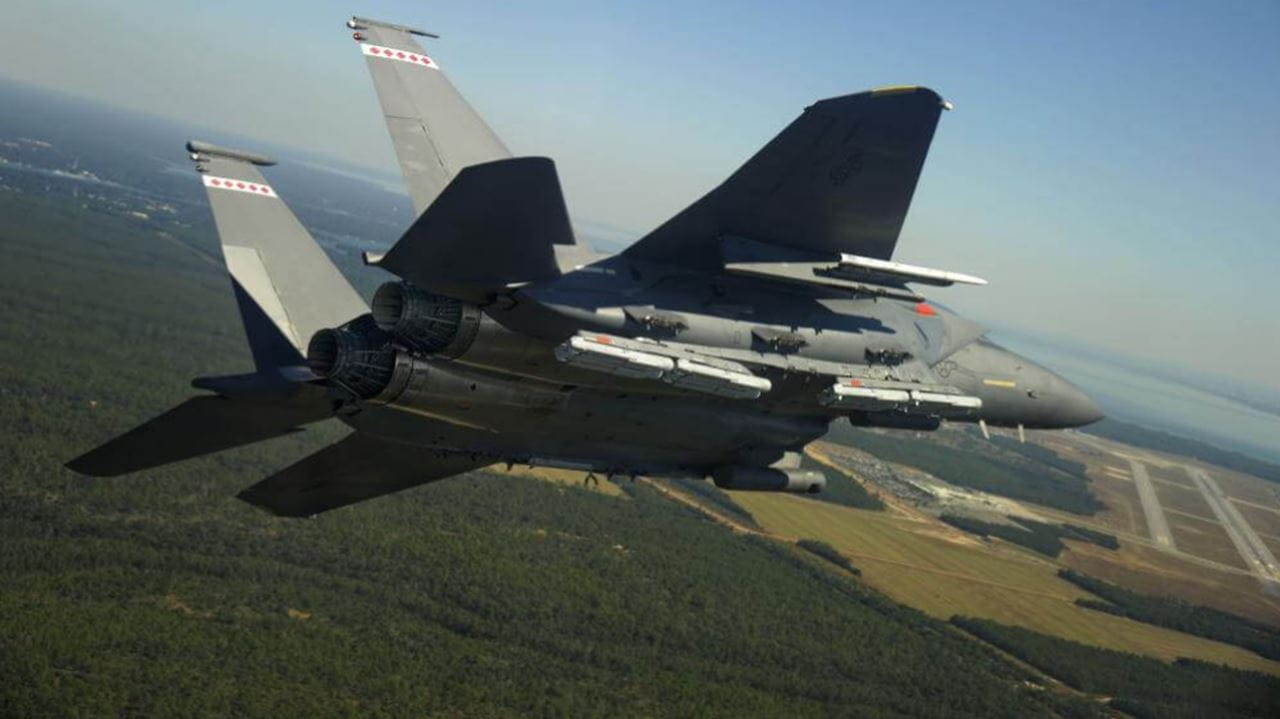
The GBU-53/B SDB-II, better known as StormBreaker, was built for the modern battlefield where targets move fast, visibility is low, and weather doesn’t always cooperate.
This small, precision glide bomb can find and destroy threats that older weapons would miss.
We’ll break down what makes this 250-pound (113-kilogram) class munition special, from its tri-mode seeker and smart datalink to its growing role in next-generation airpower.

A Smart Bomb Built for the Storm
The GBU-53/B is a lightweight, precision-guided glide bomb developed by Raytheon to engage moving and fixed targets from standoff ranges in all weather.
It entered development in the 2000s and moved into production and fielding in the 2010s. Services began integrating it on multiple platforms so aircraft could carry many more precision weapons per sortie than with larger bombs.
The Stormbreaker’s small size and smart seeker enable aircrews to prosecute difficult targets (such as vehicles, small ships, or obscured targets) with a relatively small warhead and minimal collateral damage.
The Technology Behind StormBreaker’s Precision
StormBreaker’s standout feature is its tri-mode seeker: millimeter-wave radar for detecting and tracking through poor weather or obscurants, imaging infrared for visual discrimination, and a semi-active laser mode for laser-designated aim points.
That seeker works with GPS/INS navigation and an onboard mission computer to search, classify, and home on targets during the weapon’s glide phase.
Importantly, the munition carries a two-way datalink that allows in-flight retargeting, target updates, and status feedback to authorized controllers so the bomb can be sent after a moving target, re-tasked mid-flight, or held off until clearance is confirmed.
This mix of sensors and networking gives StormBreaker a “fire-and-forget” capability against moving targets even in rain, smoke, or darkness.
GBU-53/B StormBreaker Specs
The weapon is roughly a 250-pound (113-kilogram) class munition (about 204 pounds/93 kilograms total mass) with a shaped-charge/blast warhead sized to defeat soft-to-hardened tactical targets while limiting collateral damage.
Its effective standoff varies with release altitude and speed, but is routinely described as “tens of nautical miles,” allowing platforms to engage from outside many air-defense envelopes. The small form factor also means aircraft can carry far more SDB-IIs than larger bombs, multiplying sortie lethality.
The GBU-53/B has been integrated onto US Air Force and US Navy aircraft (including the F-15E, F-35, and F/A-18 families) and has been declared to have initial operational capability as services field the weapon.
The GBU-53/B’s Role in Future Air Campaigns
SDB-II fills a gap between larger guided bombs and missiles: it lets commanders prosecute multiple targets in a single pass with precision munitions that operate in adverse weather and can be retasked in flight.
That changes mission planning — more weapons per aircraft, more flexible effects, and reduced risk to noncombatants through smaller warheads and accuracy.
The tri-mode seeker and datalink also make the weapon resilient against single-mode countermeasures (for example, a laser-only or radar-only defeat).
Recent reporting indicates StormBreaker has been used in modern conflicts, underscoring both its operational utility and the sensitivity around small, smart munitions that can be recovered if they land intact.
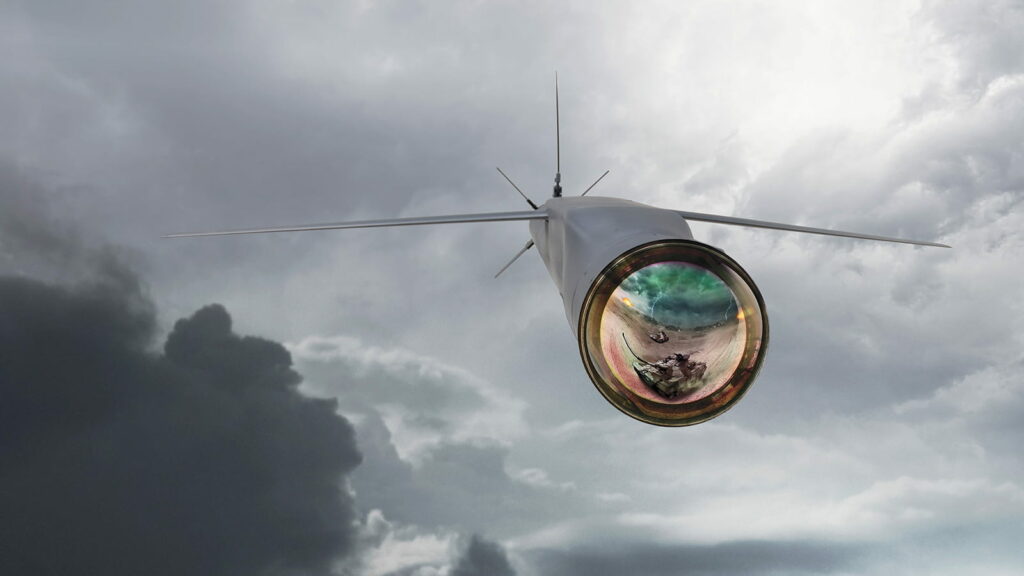
The GBU-53/B’s networked architecture and multi-sensor seeker make it a natural candidate for incremental upgrades: improved seekers, hardened anti-jam navigation, expanded datalink options, and potential new launch modes (including integration across allied platforms).
As militaries seek precision options that work in GPS-contested and degraded environments, weapons that combine multi-sensor autonomy with connectivity — like StormBreaker — will likely remain important elements of the strike toolkit.