President Donald Trump’s Golden Dome project grabbed headlines, but the link between space and defense runs far deeper.
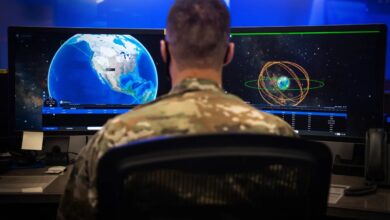
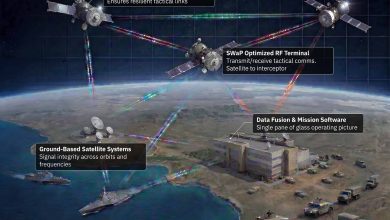
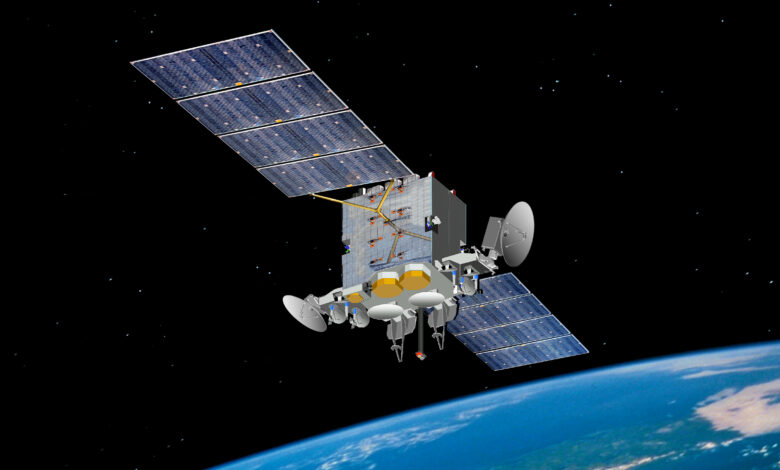
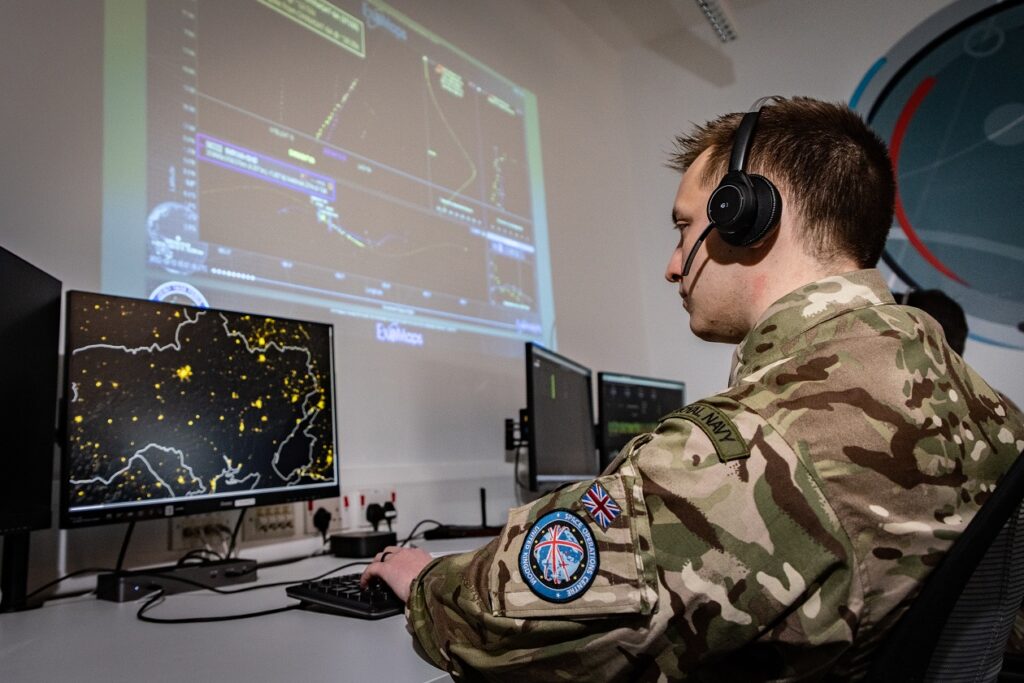
For decades, satellites have functioned as the nervous system of modern militaries. They enable command and control, precision strikes, secure communication, early warning, and deterrence. They make logistics and coordination real-time, support intelligence, surveillance, and reconnaissance, and protect against cyber threats.
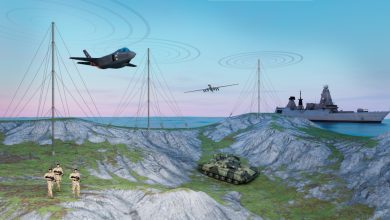
Many commercial space companies now have dual-use applications, and space itself has become a warfighting domain.
First came land, then land and sea, then land, sea, and air. Today, generals must think in four domains: land, sea, air, and space.
Satellites Are Evolving
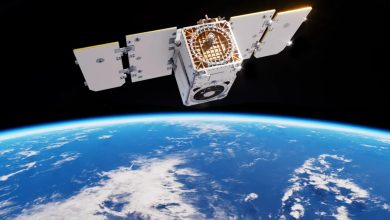
But just as war is evolving, so are satellites.
Satellites are no longer designed to last decades, replaced only when costs make sense. Technological leaps and market forces are shortening satellite lifespans while demanding far more of each one.
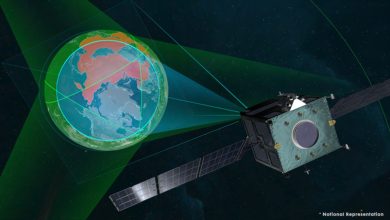
The most advanced satellites can steer beams at astonishing speeds, but orchestrating this capacity is becoming a bottleneck.
Humans still manage who gets what, when, and where, but multi-mission constellations and increasingly agile satellites are straining manual oversight.
AI: The Next Frontier
Taking satellite efficiency to the next level requires artificial intelligence. Despite hype and uneven progress, AI is a potentially era-defining technology.
Satellites now need to spot patterns and make rapid decisions, and this is precisely what AI excels at, especially in partially predictable, structured environments.
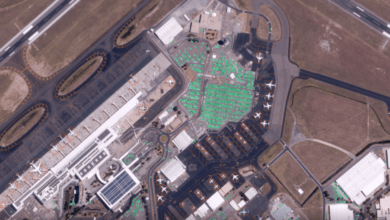
AI can also transform how satellites handle the data they collect. Today, raw Earth Observation imagery is processed on the ground, stitched together, and analyzed — a slow and expensive process.
Onboard processing is fast becoming possible, allowing satellites to filter and send only the most relevant data.
That saves time and money and accelerates decision-making, with immediate benefits for defense, emergency response, and security operations.
The gains extend to satellite manufacturing. Virtual and augmented reality enable technicians to practice complex assembly steps before touching real hardware, accelerating learning curves, improving safety, and speeding production.
AI here delivers tangible productivity improvements where other sectors have struggled to see gains.
Implications for Defense
These advances have profound implications for defense.
By boosting efficiency, technology frees human operators to innovate, accelerating satellite design, deployment, manufacture, and operation.
Nations that harness AI to optimize satellites will gain a strategic edge, increasing readiness, resilience, and security. NATO members must act with urgency.
One thing is certain: the old ways are no longer fit for purpose. In space and defense, this moment calls for an acceptance of change, an embrace of speed, and an enthusiasm for the future.
Those who act decisively — in space, in defense, or dual-use technology — will shape the years to come.

Martin Halliwell is the former Chief Technology Officer of SES, where he led global technology and R&D from 2011 to 2019.
Martin spearheaded SES’s landmark partnership with SpaceX, overseeing six Falcon 9 launches, making SES the first commercial operator to commit to reusable launches.
He is now a Partner at NewSpace Capital.
The views and opinions expressed here are those of the author and do not necessarily reflect the editorial position of The Defense Post.
The Defense Post aims to publish a wide range of high-quality opinion and analysis from a diverse array of people – do you want to send us yours? Click here to submit an op-ed.