Lockheed Martin has partnered with Hadrian to speed up the manufacture of key missile components, aiming to make US defense production more resilient and scalable.
Under a new memorandum of understanding, Hadrian will deploy its factory-as-a-service model at a Lockheed Martin Missiles and Fire Control site.
This includes a flexible machining and inspection cell equipped with computer numerical control machines, advanced robotics, and Hadrian’s manufacturing execution platform.
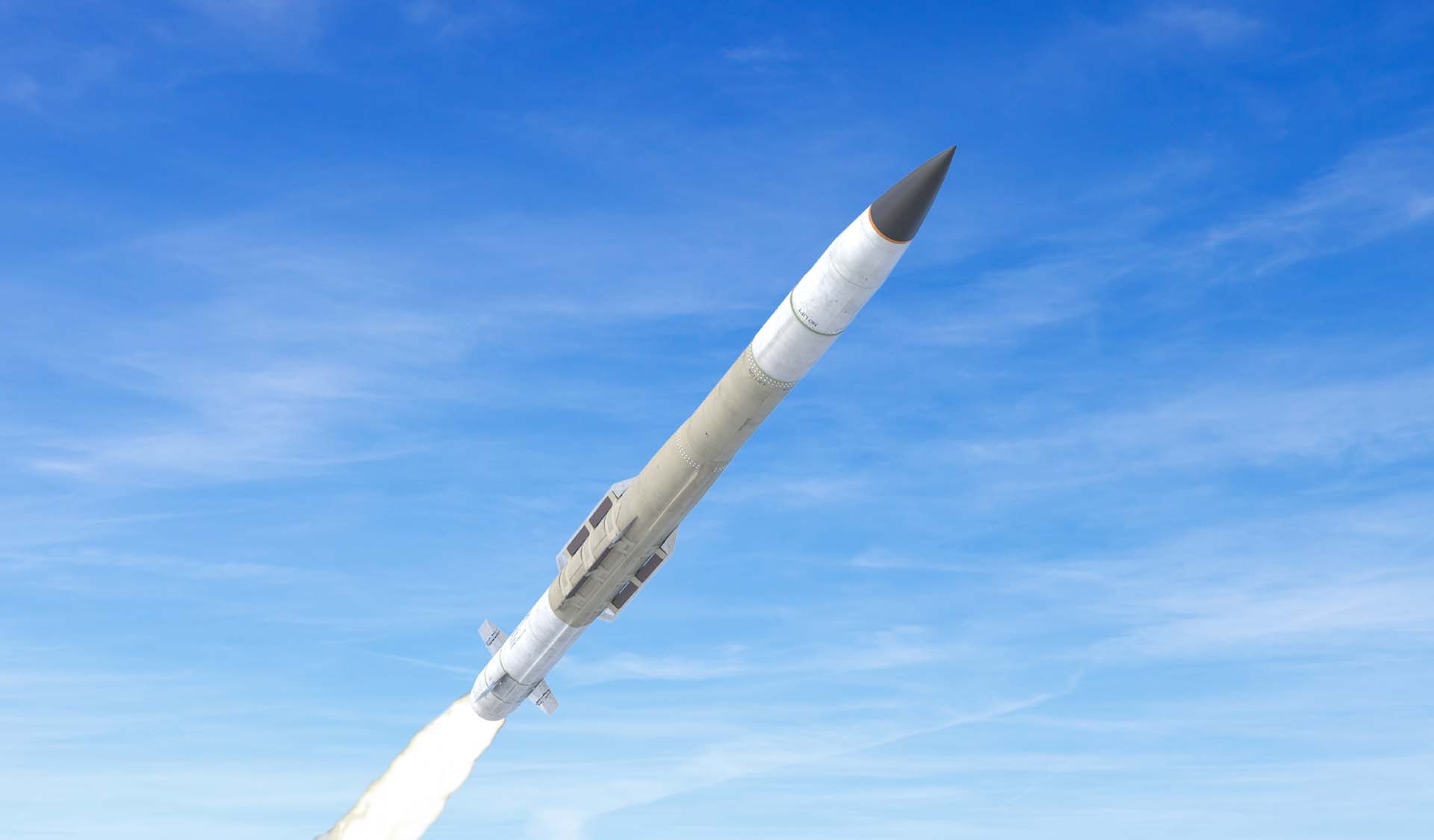
The setup is designed to rapidly increase production of parts for systems such as the PAC-3 MSE, Terminal High Altitude Area Defense systems, Precision Strike Missiles, and Guided Multiple Launch Rocket System, allowing Lockheed Martin to respond faster to rising demand.
Tom Carrubba, vice president of production operations at Lockheed Martin Missiles and Fire Control, described the partnership as “a key enabler” to strengthen supply chains and expand output capacity.
Hadrian, a Los Angeles-based company, recently raised $260 million to expand its AI-powered manufacturing operations in Arizona and California.
Lockheed Martin’s Increasing Production
Lockheed Martin has been actively working to accelerate the pace of its manufacturing programs in recent years.
In addition to collaborations like the Hadrian agreement, the company has invested in digital engineering, additive manufacturing, and automated assembly lines across multiple sites.
For instance, upgrades to THAAD and PAC-3 MSE production facilities have focused on modular, scalable production cells that can respond to sudden increases in demand.
The company has also expanded partnerships with smaller, specialized suppliers to reduce bottlenecks in component supply.
This strategy mirrors broader defense industry trends, where integrating automation and flexible manufacturing has become critical to meeting the operational requirements of the US Army, Missile Defense Agency, and allied customers.