Lockheed Martin is scaling up production of its combat-proven missile systems and reinforcing its global supply chain amid record demand from the US and allied militaries.
The company’s Missiles and Fire Control division recently highlighted this at an Integrated Air and Missile Defense supplier summit, which brought together over 200 domestic and international suppliers to discuss how to accelerate deliveries and strengthen supply resilience.
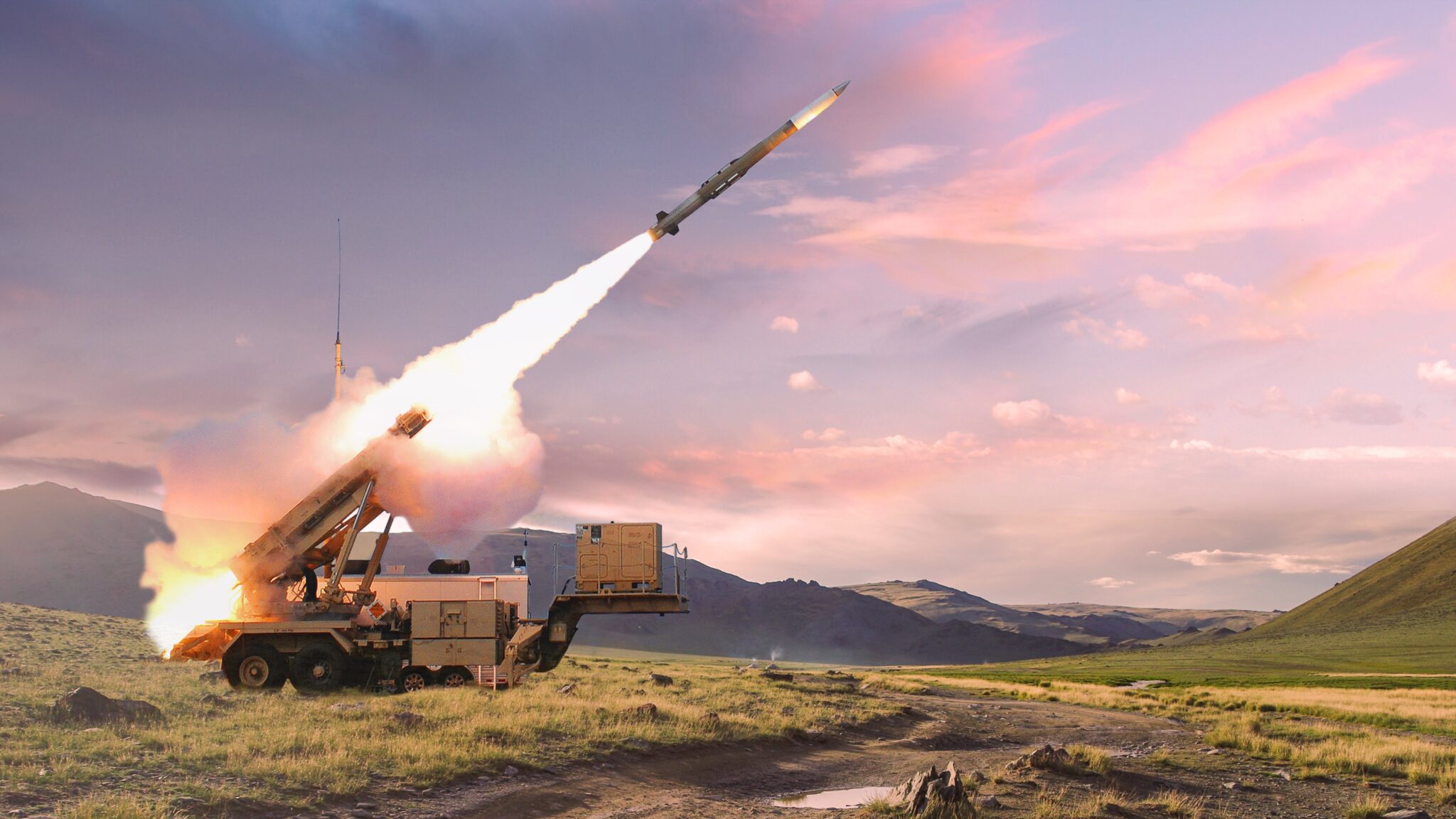
According to Lockheed Martin executives, the initiative aims to ensure that systems such as the Terminal High Altitude Area Defense (THAAD) and the Patriot Advanced Capability-3 Missile Segment Enhancement (PAC-3 MSE) are produced faster and deployed without delay.
In 2024, the company delivered more than 23,000 missiles worldwide and expanded PAC-3 production by over 30 percent, with plans for another 20 percent increase in 2025.
To sustain this growth, the company is broadening its supplier base while investing in domestic and allied manufacturing. New initiatives include a solid rocket motor facility in Camden, Arkansas, set to open in 2026, and international co-production programs in Spain, Saudi Arabia, and Poland.
These are designed to diversify production, reduce bottlenecks, and ensure critical components are available for rapid missile assembly.
Expanding US Missile Defense Ecosystem
Lockheed Martin’s ramp-up coincides with a broader US effort to modernize its missile defense infrastructure as global threats evolve.
The PAC-3 MSE, designed to intercept tactical ballistic and cruise missiles, has seen increased deployment across NATO and Indo-Pacific allies.
Meanwhile, the THAAD system continues to play a key role in countering long-range missile threats, with active deployments in Guam, South Korea, and the Middle East.
The US Army is also advancing next-generation air defense initiatives such as the Integrated Battle Command System, which links platforms like THAAD and Patriot into a single networked defense architecture.
In parallel, the Pentagon’s Accelerated Procurement Initiative is pushing for shorter delivery timelines and greater industrial flexibility, echoing the push for “resilience and speed” across its supplier network.