The US Army is pushing to make data the backbone of how it maintains and moves equipment, not just a back-office task.
Lt. Gen. Chris Mohan, Acting Commander and Deputy Commanding General of the Army Materiel Command (AMC), told industry leaders that the service can no longer treat data as an afterthought, as reported by the Association of the US Army.
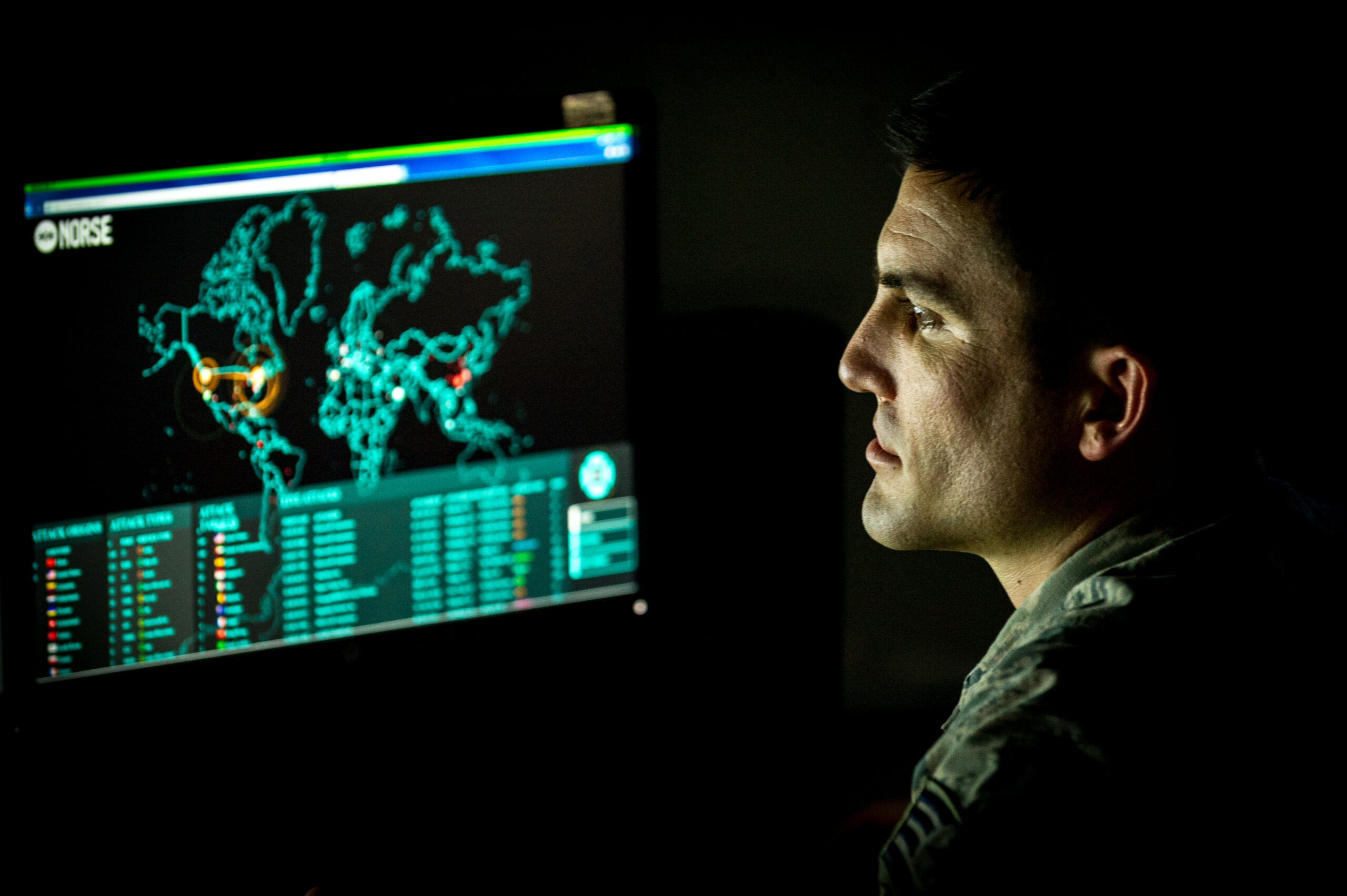
Data, he said, is “no longer just a support function [but] central to everything we do,” adding that advanced analytics and artificial intelligence must empower soldiers to make faster, smarter decisions.
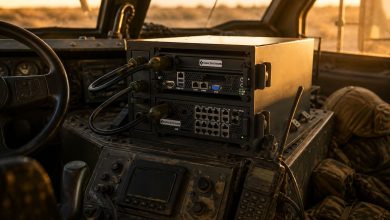
Mohan urged industry to help the army turn sustainment into a data-first mission, built around practical, fast, and affordable tools that can operate in tough, disconnected environments.
These tools, he added, should be low-code or no-code systems that actually reduce the workload on soldiers, not add to it.
Practical examples already exist, according to Mohan. ParaLine, a new app from the AMC, slashed inventory processing time and improved equipment accountability for units.
Mohan used ParaLine to illustrate his point about how small, targeted software can remove paperwork bottlenecks and free commanders to focus on readiness.
He also pressed industry to rethink long-standing processes. Any new program, Mohan said, must help deliver ready combat formations.
The US Military’s Push to Become Data-First
Across the Department of Defense, the army’s data push mirrors a wider transformation in how the US military handles information.
The Joint All-Domain Command and Control initiative, for example, aims to link sensors, shooters, and decision-makers through a unified digital architecture, allowing faster, AI-enabled targeting decisions.
In logistics, the Global Combat Support System–Army has already begun integrating predictive analytics to forecast parts shortages and improve fleet readiness.
Meanwhile, the Defense Logistics Agency is rolling out data visualization tools to track inventory in real time, and the air force is adopting “data lakes” to centralize maintenance records for predictive sustainment.