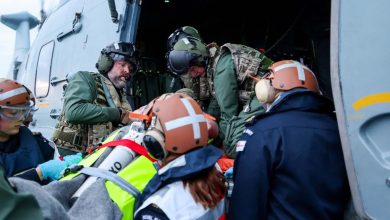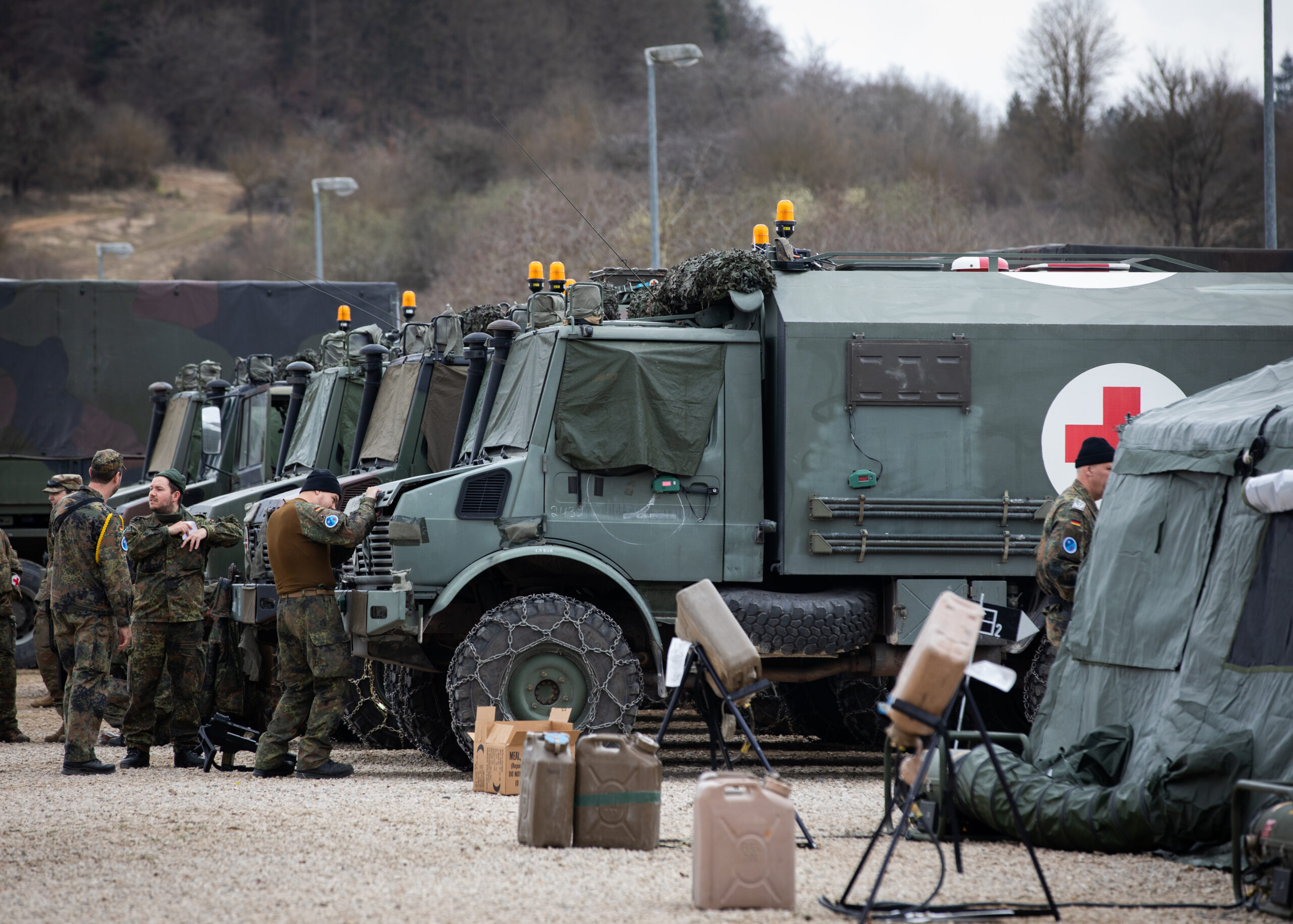
Germany is drafting medical plans to care for up to 1,000 wounded soldiers a day if a major war with Russia were to break out, the country’s top military doctor said.
Surgeon General Ralf Hoffmann told Reuters the figure reflects a realistic projection, though actual numbers would depend on the scale of fighting and which units were deployed.
NATO has warned that Russia could have the ability to strike the alliance by 2029, a concern heightened by repeated incursions of Russian jets and drones into NATO airspace, though Moscow denies preparing for war.
Adapting From Ukraine Frontlines
European militaries, including their medical services, have boosted wartime readiness since Russia launched its full-scale invasion of Ukraine in 2022, the region’s largest conflict since the Second World War.
Berlin said it has updated its medical training based on battlefield conditions there.
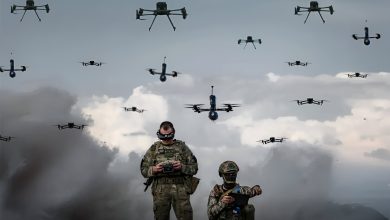
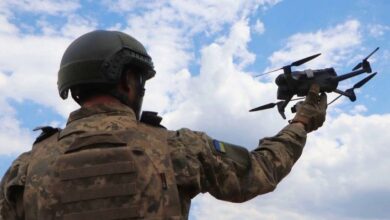
“The nature of warfare has changed dramatically in Ukraine,” Hoffmann said, citing a shift from gunshot wounds to blast injuries and burns from drones and loitering munitions.
Ukrainian troops describe the drone-dominated zone around the front line as the “kill zone,” where unmanned aircraft can quickly find and strike targets.
Hoffmann noted that constant drone activity often delays evacuation, forcing medics to stabilize the wounded at the front for hours.
Expanding Treatment Capacity
Hoffmann said his government is exploring flexible transport for casualties, looking at Ukraine’s use of hospital trains while also weighing buses and expanded airlift capacity.
Under current plans, soldiers would receive emergency care near the battlefield before being transferred to Germany, where most would be treated in civilian hospitals.
Hoffmann estimated about 15,000 hospital beds would be needed from Germany’s 440,000 total, and said the German Armed Forces’ 15,000 medical staff would be reinforced to meet the demands of a large-scale conflict.