US Army Seeks Ground Drone Prototype for Brigade-Level Support

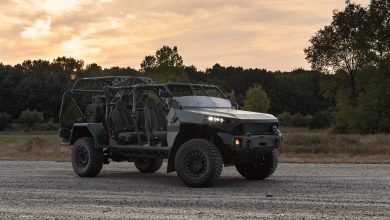
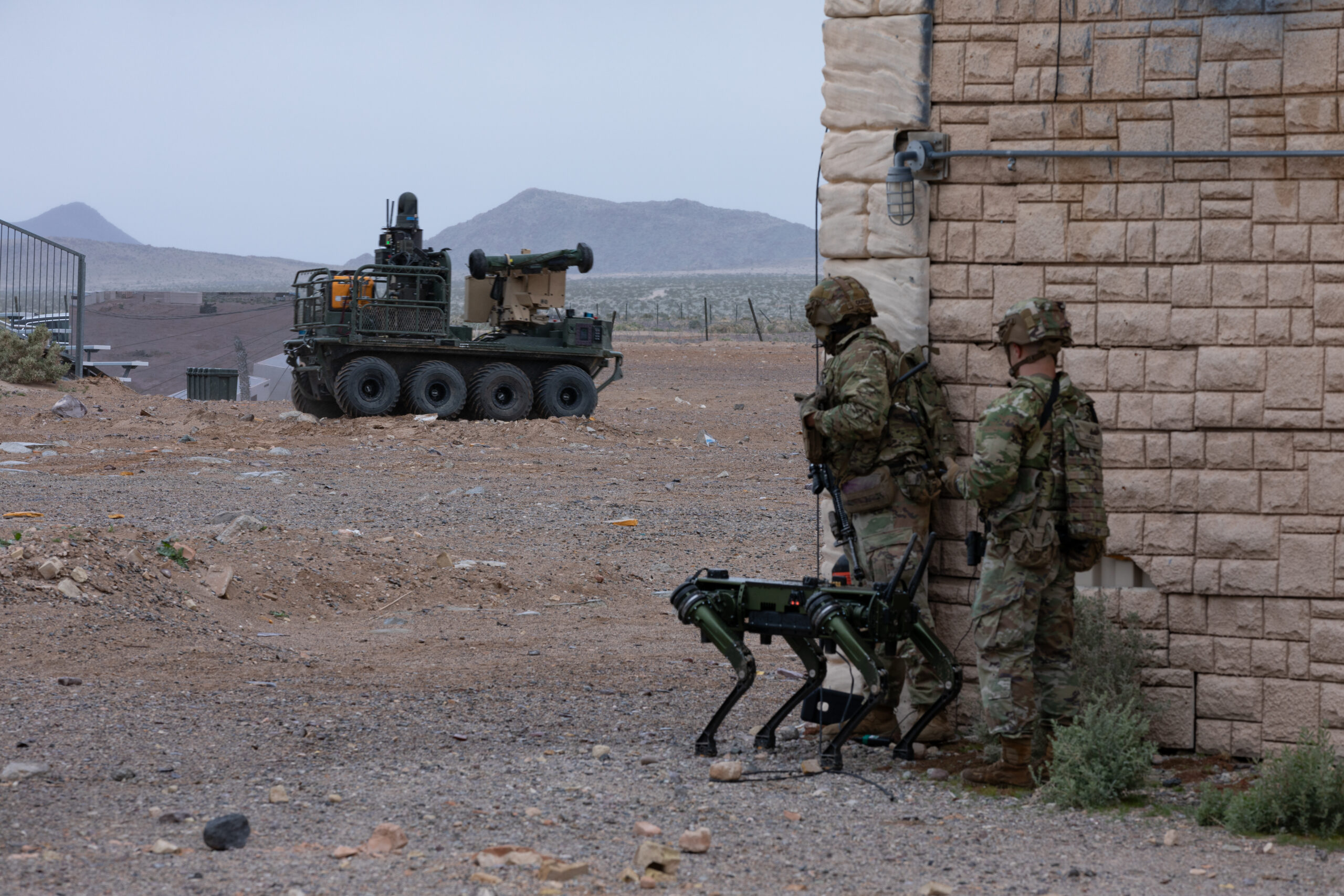
The US Army has published a request for information on a new Unmanned Ground Commercial Robotic Vehicle (UGCRV) prototype designed to support Armored Brigade Combat Teams.
The project requires a platform that can carry more than 2,200 pounds (998 kilograms), operate on paved roads and unconventional tracks, and keep pace with dismounted soldiers, according to Breaking Defense.
Operators should be able to control the drone remotely, but it must also operate on its own for tasks such as following troops, guarding an area, or moving between points, with the added hardware not compromising mission performance.
The effort, capped at $650,000 per unit, will be managed by the Army Contracting Command – Detroit Arsenal in partnership with the National Advanced Mobility Consortium, with responses due this month.
Initial Plans
The UGCRV effort builds on the US Army’s Robotic Combat Vehicle (RCV) program launched in 2019 under the broader Next Generation Combat Vehicle framework to replace aging armored vehicles with new systems.
The service originally planned to adopt light, medium, and heavy RCV variants capable of air transport and weighing from 10 to 30 tons (9,072 to 27,216 kilograms).
In 2023, the military decided to center the RCV program on the light variant to establish a common chassis before transitioning into larger configurations. By late summer 2024, prototypes from McQ, Textron Systems, General Dynamics Land Systems, and Oshkosh Defense were selected for testing.
Associated evaluations included two National Training Center rotations and off-road autonomy software assessments, with continued development through December 2024. Textron Systems then won the RCV development competition in May 2025.
Cancellation
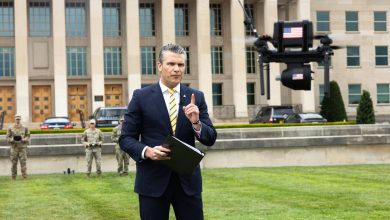
The RCV initiative then faced a major shift the same month after Secretary of the Army Dan Driscoll and Chief of Staff General Randy George issued a notice responding to Pentagon Chief Pete Hegseth’s April 2025 memo on modernization and acquisition reform under the Trump Administration.
The directive emphasized canceling programs that are “dated, late-to-need, overpriced, or difficult-to-maintain,” including the RCV pathway, which reportedly had an expected contract award at that time.