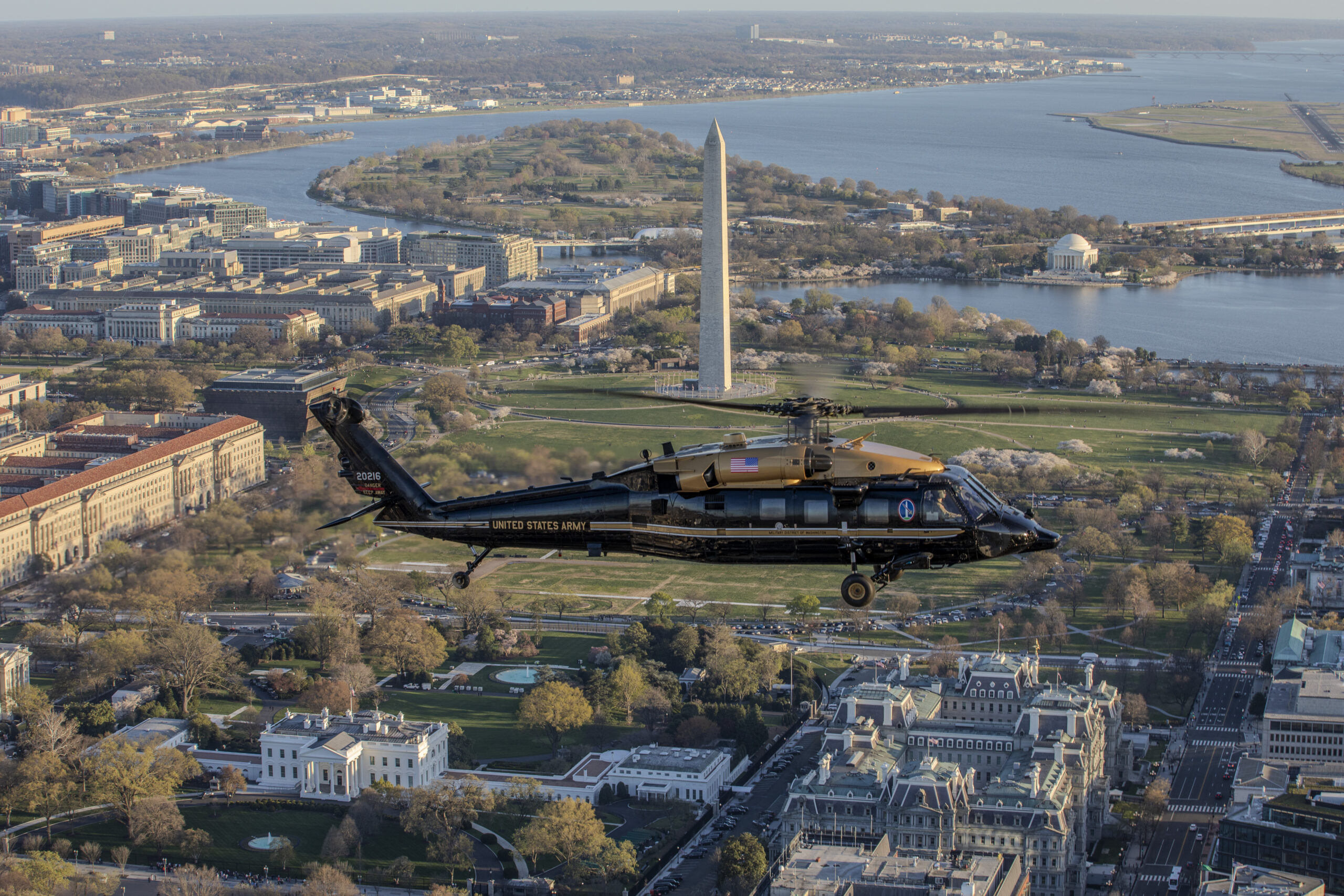
The US Army has begun equipping its helicopter crews with new navigation tools after a Black Hawk crashed into a commercial jet in Washington DC in January, killing all 67 people aboard both aircraft.
Fort Belvoir-based 12th Aviation Battalion, the unit involved in the fatal incident, is receiving priority as the military distributes about 1,700 Stratus navigation devices across its helicopter fleet, The Washington Post reported.
Stratus integrates with tablets carried by pilots and relays nearby aircraft and weather data in real time. Officials say the tools are meant to improve situational awareness and prevent future collisions, especially in congested or low-visibility zones.
The service has not disclosed the manufacturer, technical capabilities, or other specifics regarding the devices.
The Potomac River Accident
The midair crash occurred on the evening of January 29 over the Potomac River in DC, close to Reagan National Airport, when a Black Hawk helicopter from the 12th Aviation Battalion struck American Eagle Flight 5342.
The helicopter was operating under a waiver that allowed its more precise tracking system to be turned off while flying a sensitive route.
While the Black Hawk team did carry a Stratus device during the flight, it remains unclear whether it was used or was working properly.
The crash is still under investigation by both the US Army and the National Transportation Safety Board (NTSB), with new updates expected this week.
The area is known as busy airspace, considering that over 20 government agencies continuously operate low-altitude flights in the area.
Developments
The US Army has expanded the required use of transmitters that broadcast real-time location data to nearby aircraft since the collision.
While training flights have resumed, army helicopters remain prohibited from using the Pentagon helipad following a separate incident in May.
Meanwhile, some lawmakers and the victims’ families have criticized the government’s response as slow despite progress in the investigation.
Final safety recommendations are expected once the US Army and the NTSB complete their investigations.