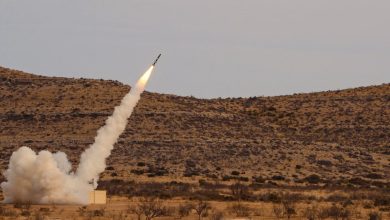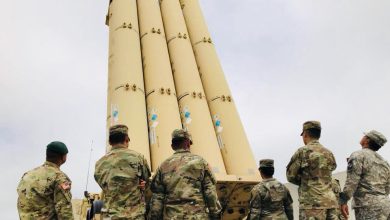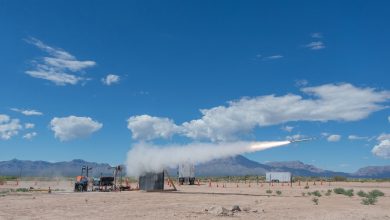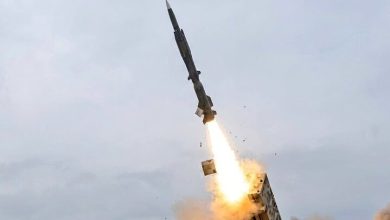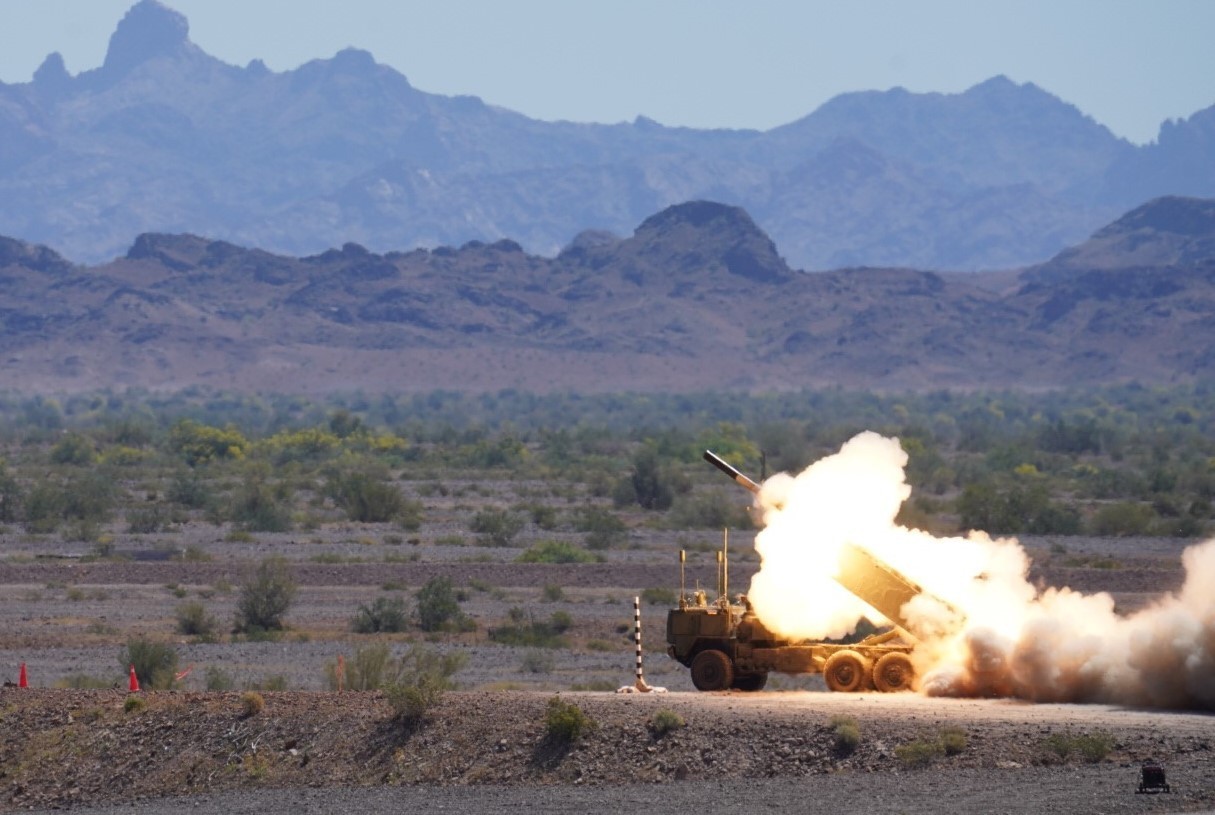
The US Army intends to acquire new autonomous systems as part of its Common Autonomous Multi-Domain Launcher (CAML) program.
A request for proposals published this month said that the service’s Rapid Capabilities and Critical Technologies Office is seeking a heavy and medium variant for the weapons initiative “on a rapid timeline.”
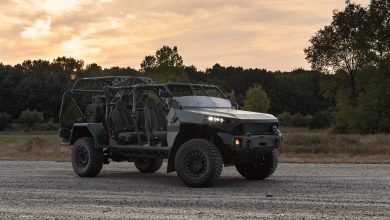
The resulting products are expected to have autonomous/optionally-crewed functions, air-transportable, highly mobile, and with designs “to augment or replace existing Army launchers.”
Both configurations will be assembled, tested, and fielded with designated munitions and should be readily available for international deployments.
CAML Requirements
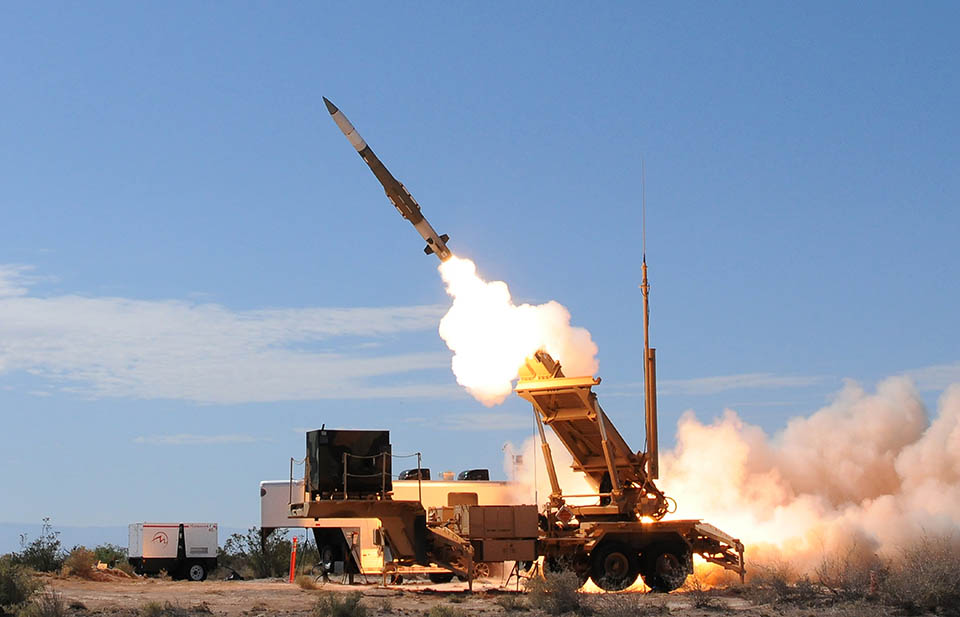
The CAML Heavy (CAML-H) will be mounted onto an M1075 Palletized Loading System or a similar, 15-ton (30,000-pound) tactical vehicle chassis.
This variant will be armed with either the Tomahawk Land Attack Missile or the Patriot Advanced Capabilities 3 (PAC-3) Missile Segment Enhancement interceptor.
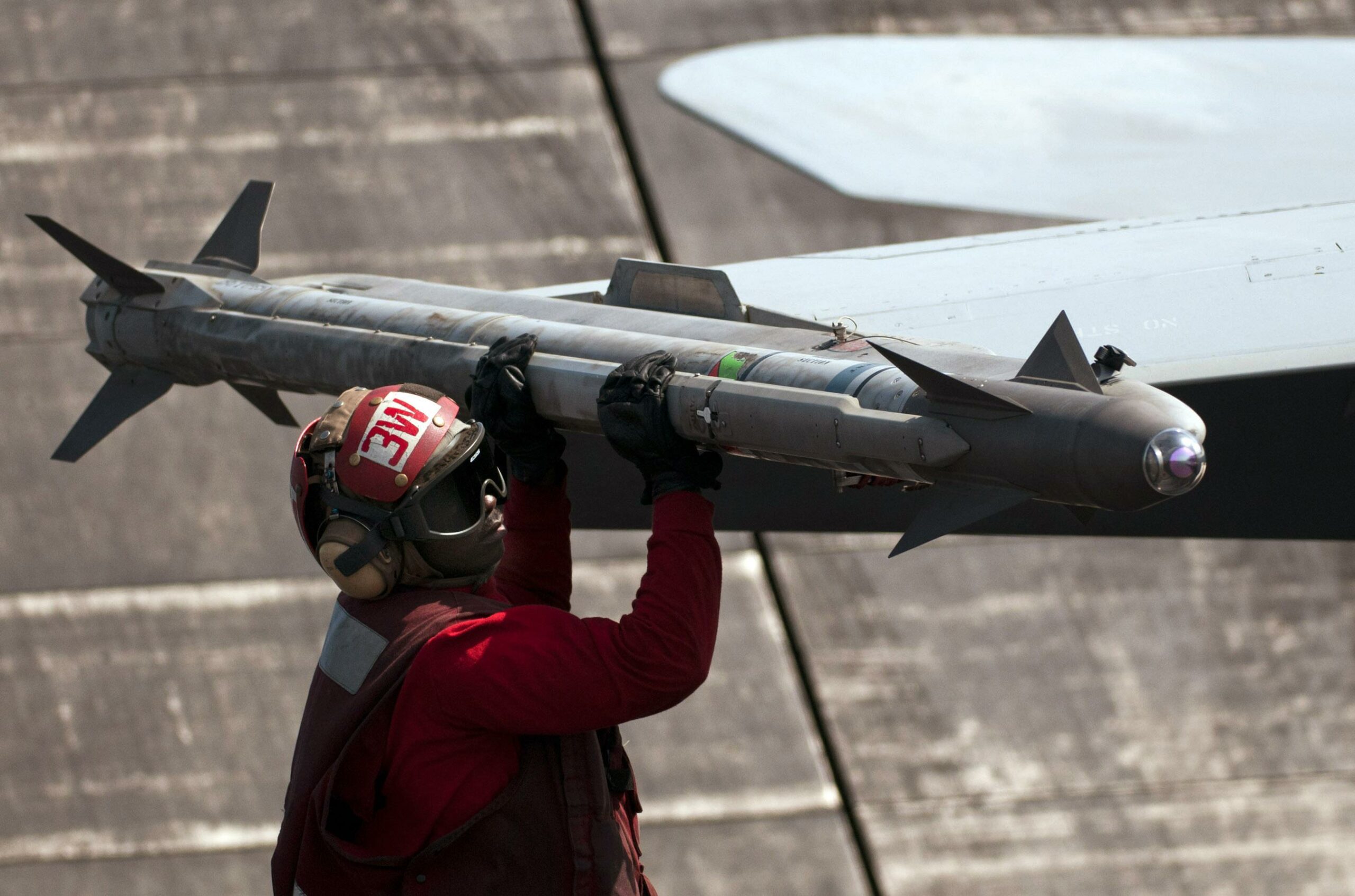
Meanwhile, the CAML Medium (CAML-M) will be on a Family of Medium Tactical Vehicles, with the launcher capable of firing a Multiple Launch Rocket System (MLRS) munition or Indirect Fire Protection Capability AIM-9X interceptor.
The CAML-H will feature an autonomous self-resupply system for reloading with little to no human intervention. However, it will also use a dedicated Autonomous Resupply Vehicle (ARV) to perform the same function.
According to the document, the army will evaluate four Tomahawk prototypes and one PAC-3 prototype 18 and 24 months from the time of the CAML-H award.
The CAML-M set is planned to have one MLRS prototype, one AIM-9X, and one ARV in 18 months, 24 months, and 36 months from the date of award.