The US Army has launched a new initiative with major defense contractors to address a long-standing interoperability problem among military systems developed by different vendors.
Army Secretary Dan Driscoll announced the “Right to Integrate” (R2I) effort alongside executives from Anduril, Boeing, General Dynamics, L3Harris, Leidos, Lockheed Martin, Northrop Grumman, Palantir, Perennial Autonomy, and RTX.
The initiative aims to simplify integration of emerging capabilities, such as autonomous platforms, AI-enabled tools, and networked battlefield technologies, reducing the need for lengthy custom engineering work for each system.
How the Initiative Will Work
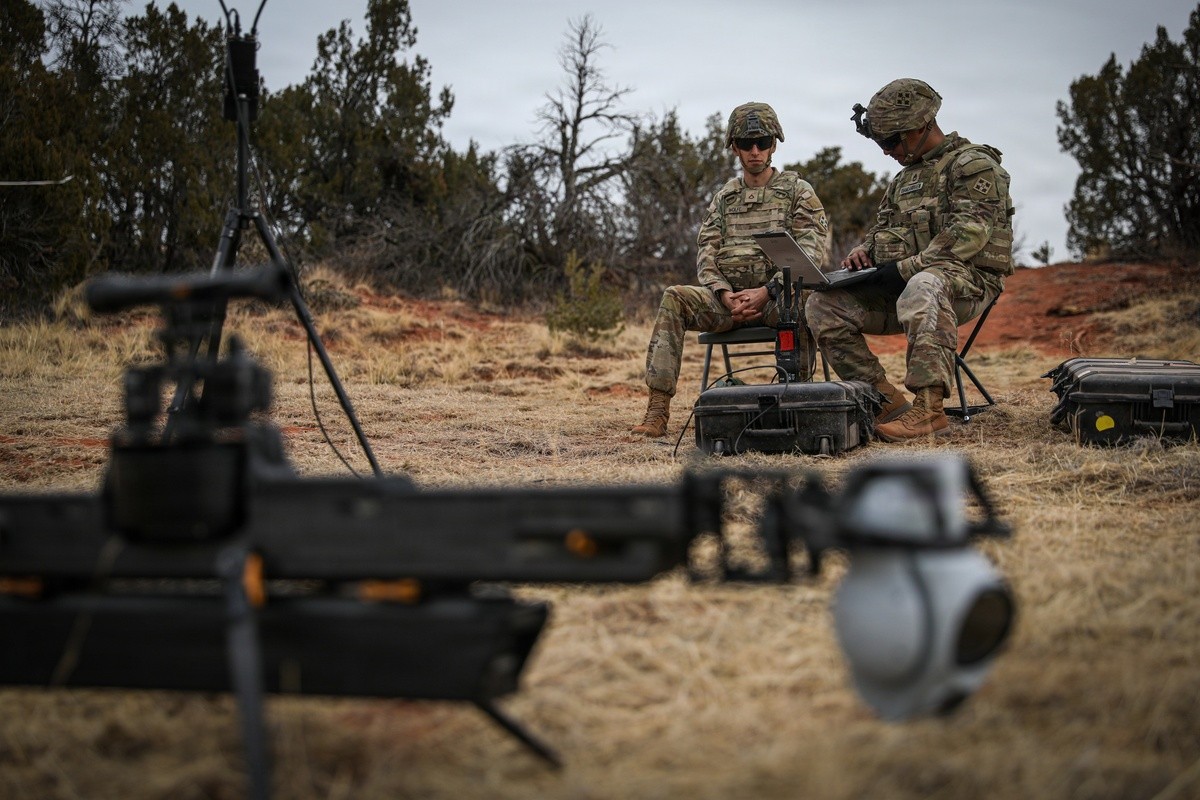
The effort will take the form of a series of joint army-industry technical integration events focused on enabling weapons, sensors, autonomous systems, and business platforms to exchange data and operate more effectively across shared networks.
An initial event is scheduled to take place in the coming weeks at Fort Carson, Colorado.
Participating companies are expected to provide equipment, engineers, and technical support, while army personnel will work alongside industry teams to test interoperability between current and future systems.
A central requirement of the initiative is greater system openness.
Participating companies will provide access to application programming interfaces and technical documentation needed to connect their platforms to a broader ecosystem.
Broader Modernization Push
The initiative addresses a persistent issue in US military procurement, where systems are often developed as standalone capabilities with limited interoperability, creating disconnected information environments that require custom integration work in operational settings.
It builds on the army’s broader modernization push, particularly its Next Generation Command and Control program, which is designed around open-architecture principles to improve interoperability among different military systems.
Army officials have also pointed to lessons from the war in Ukraine, where rapid integration between drones, sensors, and strike platforms has become critical for accelerating battlefield decision-making and response times.