India Unveils Indigenous Armored Platform as Potential BMP-2 IFV Replacement

India has unveiled an indigenous armored vehicle intended as a potential replacement for the Indian Army’s fleet of Soviet-era BMP-2 infantry fighting vehicles.
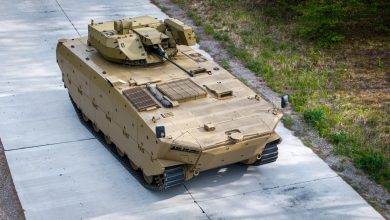
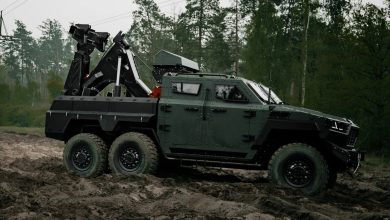
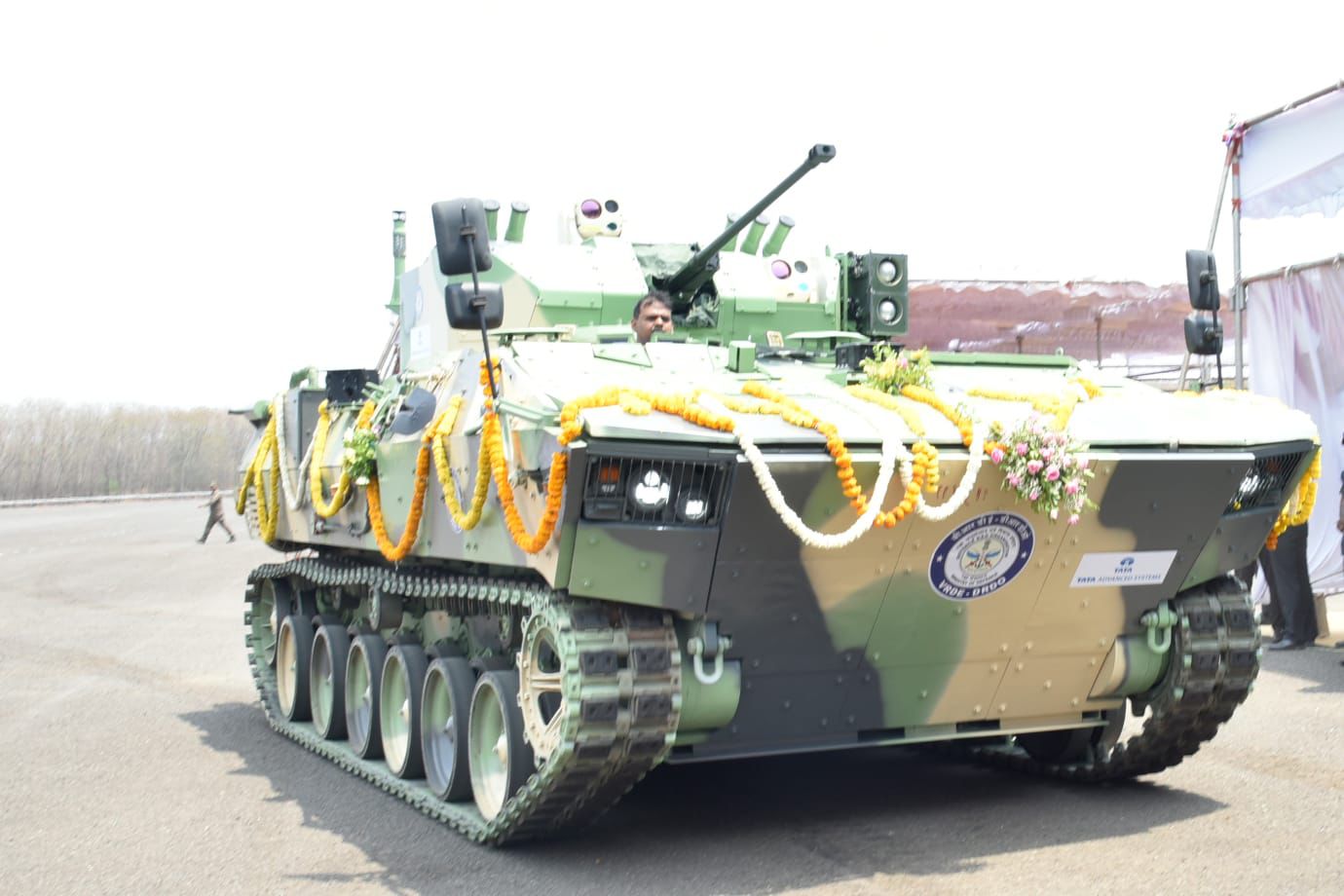
Designed and developed by the Defence Research and Development Organisation’s Vehicles Research & Development Establishment, the Advanced Armoured Platform is offered in tracked and wheeled variants, with around 65 percent indigenous content, planned for an increase to 90 percent.
Produced in partnership with Bharat Forge Limited and Tata Advanced Systems Limited, the platform features an indigenous 30mm crewless turret integrating a 7.62mm coaxial machine gun and anti-tank guided missiles.
Powered by a high-output engine and automatic transmission, it delivers a high power-to-weight ratio, superior mobility, and STANAG Level 4-5 modular blast and ballistic protection.
Its amphibious capability can be further enhanced by incorporating hydro jets.
Futuristic Infantry Combat Vehicle
Under the Futuristic Infantry Combat Vehicle program, India aims to replace the BMP-2 fleet inducted in the 1980s.
In addition to Bharat Forge and Tata, other contenders include Larsen & Toubro, Mahindra Defence Systems, and state-run Armoured Vehicles Nigam Limited.
While a 2021 request for information projected a requirement of 1,750 vehicles, the total demand could exceed 2,000 and potentially over 3,500 when accounting for all variants and reserves.
“The army currently has a total of 50 battalions of the Brigade of the Guards and the Mechanised Infantry Regiment, which operate the BMPs, and each unit has around 60 to 70 of these vehicles in different variants,” The Times of India quoted a source as saying.
“So the overall requirement of these vehicles would be well over 3,500 vehicles of both the tracked and wheeled varieties, plus the vehicles in reserve.”
He added: “Operational needs vary by terrain: tracked vehicles are preferred for desert and semi-desert regions such as Rajasthan and Gujarat, while wheeled platforms are better suited for the plains of Punjab and offer advantages in hilly and mountainous areas.”