The US Army has introduced a new Combat Field Test (CFT), a physical assessment designed to better reflect the demands of combat roles.
It will be introduced this month and apply to active-duty personnel in 24 designated combat roles.
The new assessment is designed as a continuous, time-based sequence intended to measure endurance, strength, and movement under conditions closer to operational tasks.
It does not replace the existing Army Fitness Test, as soldiers must complete both, while reserve personnel in the same specialties will alternate between the two depending on duty status.
The test consists of seven events performed continuously, including a 1-mile (1.6-kilometer) run, 30 dead-stop push-ups, and a 100-meter (328-feet) sprint.
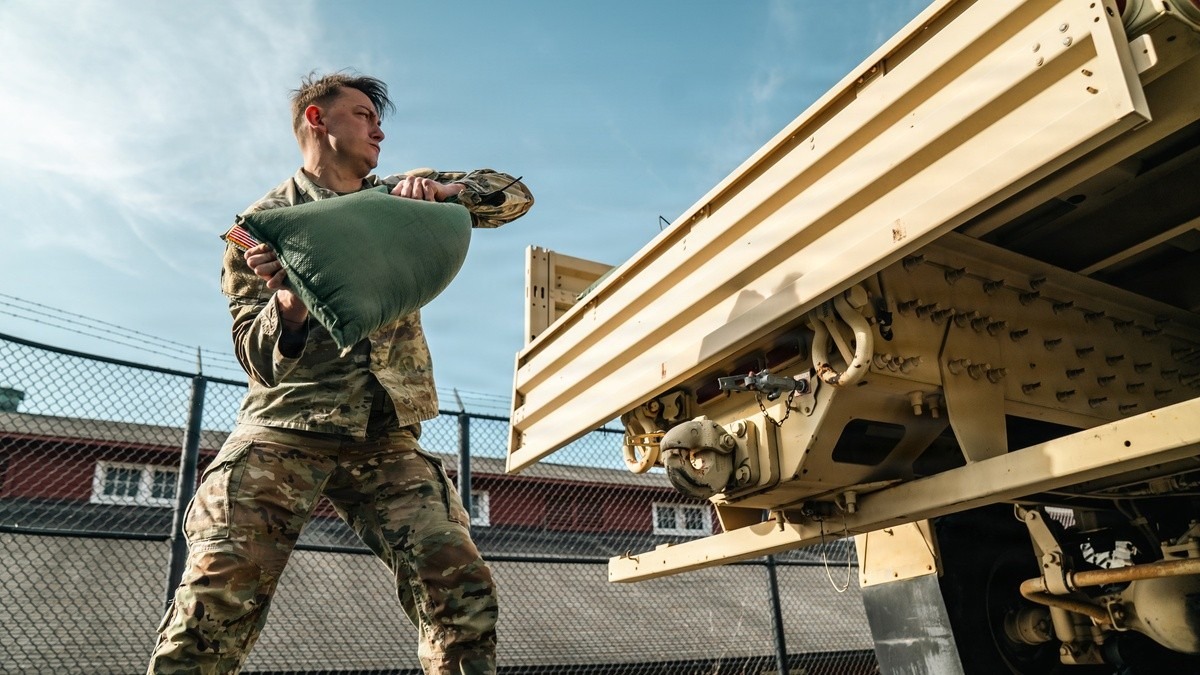
It also includes 16 lifts of a 40-pound (18-kilograms) sandbag onto a 65-inch (165-centimeters) platform, followed by a 50-meter (164-feet) carry of two five-gallon (19 liter) water cans weighing 40 pounds (18 kilograms) each.
The sequence concludes with a 50-meter (164-feet) movement drill combining a high crawl and short rushes.
All events must be completed within 30 minutes, with soldiers wearing standard combat uniform and boots.
Reinforcing Combat Standards
The US Army has introduced a one-year transition period during which failing the test will not result in administrative penalties.
During this phase, soldiers who do not meet the standard may request reassignment to non-combat roles.
After this period, the test is expected to become a formal requirement for those specialties.
The army will support preparation through unit-level training programs and existing fitness initiatives as it integrates the new test into its broader readiness framework.
According to Secretary of the Army Hon. Dan Driscoll, the initiative “is a critical step forward in ensuring our soldiers serving in the most physically demanding specialties have the specific fitness required to dominate on the modern battlefield.”
“This is about readiness, lethality, and the well-being of our soldiers.”