BlackBerry, thyssenkrupp to Provide Core Software for Canada’s Future Patrol Submarines

BlackBerry Limited subsidiary QNX has partnered with German shipbuilder thyssenkrupp Marine Systems (TKMS) to provide embedded software solutions for the Canadian Patrol Submarine Project (CPSP).
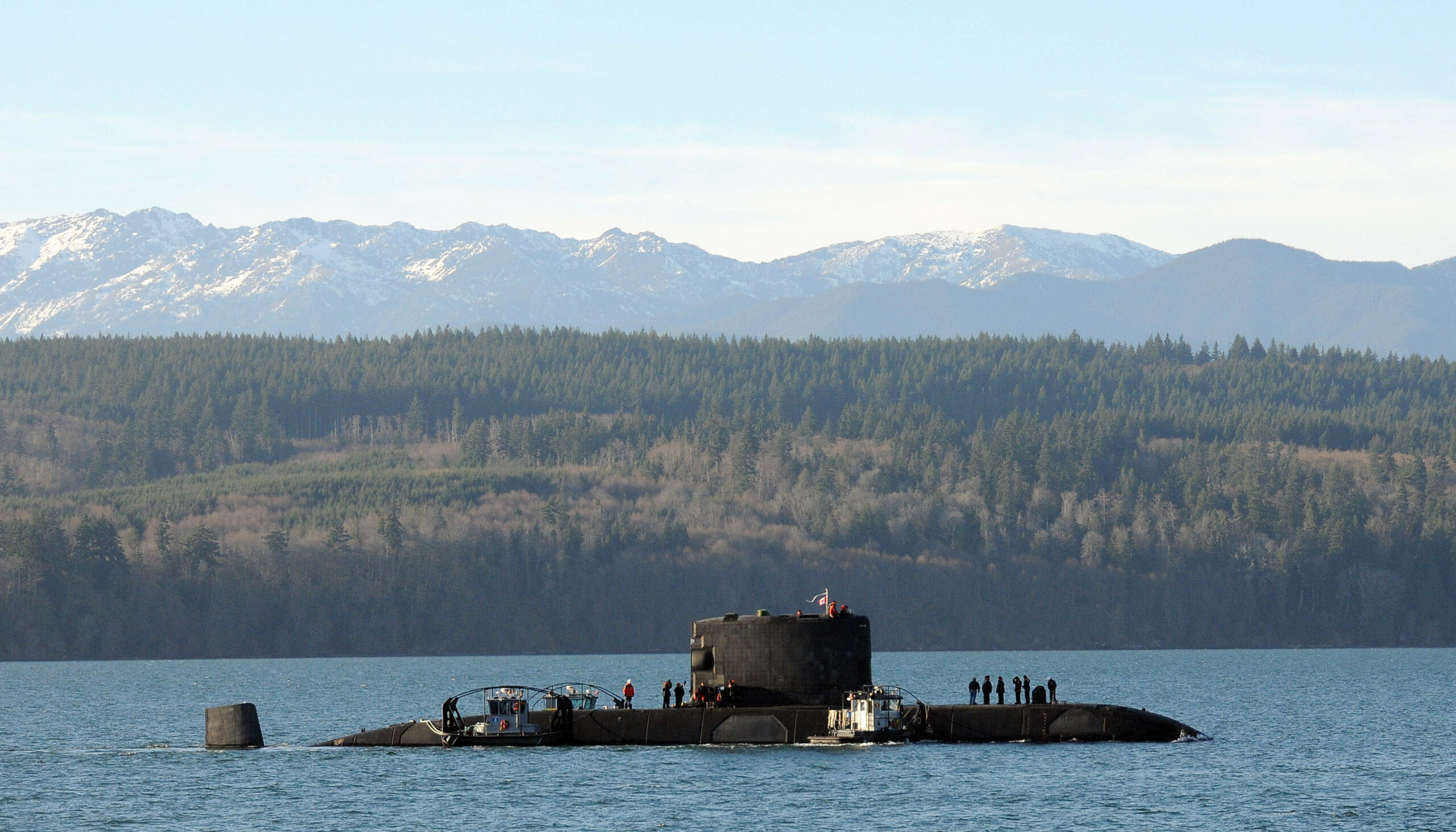
CPSP was launched in 2021 to develop up to 12 new submarines to replace Ottawa’s Victoria-class diesel-electric platforms operational since the 1990s.
Under the agreement, QNX will deliver its proprietary General Embedded Development Platform to serve as a “real-time operating system” for the vessels.
The capability, described by QNX as “trusted foundational software,” is expected to bolster the future fleet’s cybersecurity while promoting interoperability with allied navies.
“As naval platforms become more software-defined, establishing a reliable and secure foundation is essential to delivering complex naval platforms across multiple long-term programs,” said Dr. Jeronimo Dzaack, senior vice president at TKMS.
“By adopting QNX’s General Embedded Development Platform, we are able to take advantage of a pre-certified, scalable platform that helps reduce development risk, streamline our go-to-market timeframes, and support innovation within future-ready naval architectures.”
Local Collaboration
QNX said the agreement reflects deepening defense industry ties between Canada and Germany and supports Ottawa’s updated Defence Industrial Strategy, which prioritizes exporting domestic innovation and reinforcing cooperation with foreign militaries.
“Defence platforms today are increasingly defined by the software that underpins their safety, security, and operational effectiveness,” QNX President John Wall stated.
“By combining QNX’s proven software with TKMS’s naval expertise, we show how trusted, safety‑certified software built in Canada can scale globally and support the evolving needs of allied naval defence programs.”
Canadian Defence Industrial Strategy
Canada’s latest Defence Industrial Strategy, unveiled in February, outlines up to 180 billion Canadian dollars ($131.4 billion) in defense procurement opportunities over the next decade.
That commitment includes an additional 290 billion Canadian dollars ($211.8 billion) in related capital investments, with an estimated 125 billion dollars ($91.2 billion) in economic benefits by 2035.
It also targets approximately 125,000 new jobs, a 50 percent increase in defense exports, raising the share of contracts awarded to Canadian firms to 70 percent.
The policy aims to improve fleet readiness to 75 percent for maritime assets, 80 percent for land systems, and 85 percent for aerospace platforms.