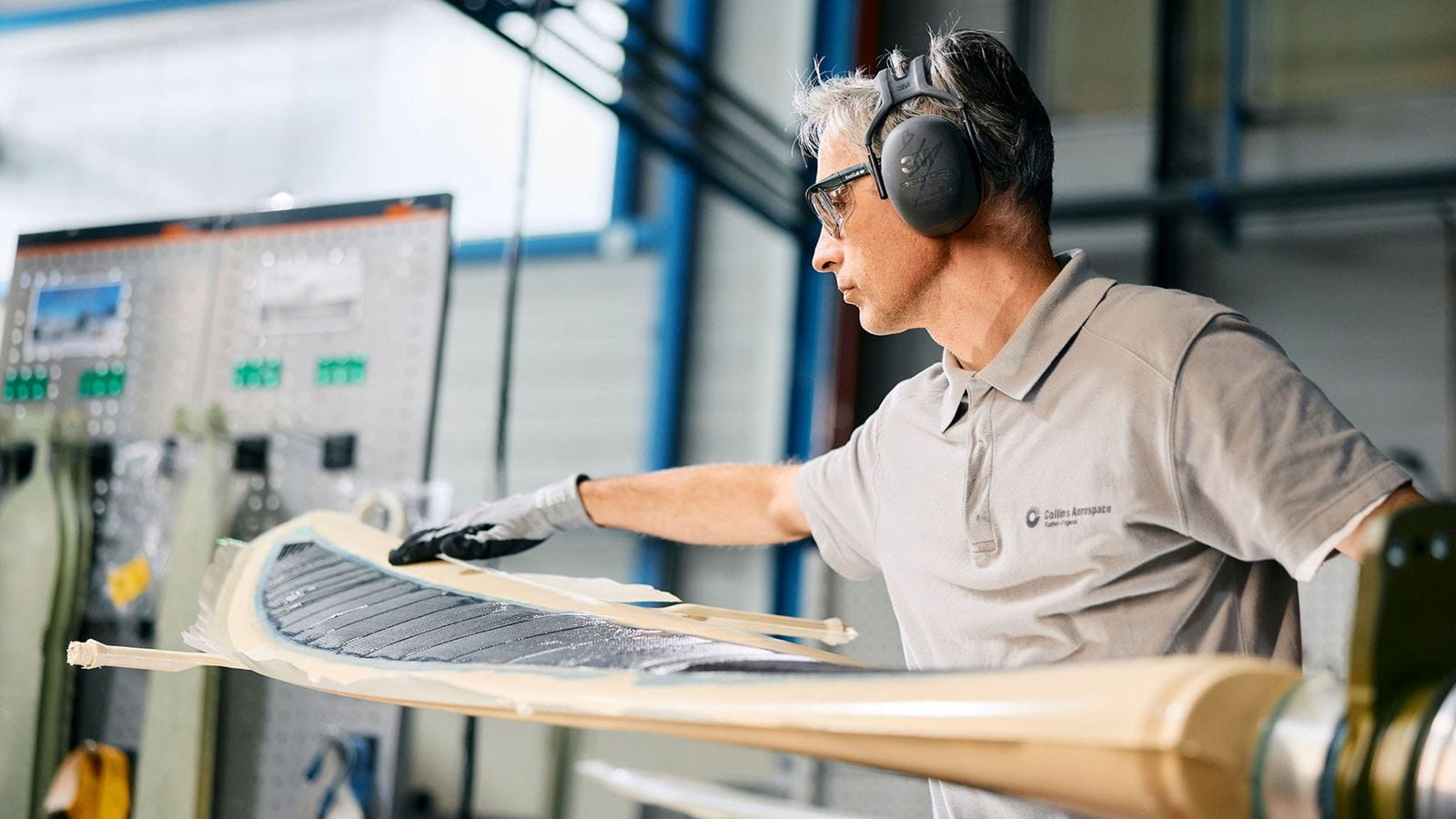
Collins Aerospace, part of RTX, has launched a new industry consortium to develop next-generation propeller technologies for turboprop aircraft.
Dubbed PHEDRE, the initiative brings together internal teams and external partners to improve the design and testing of propellers.
The focus is on reducing noise, lowering weight, and improving aerodynamic performance, all of which directly affect aircraft efficiency and operating costs.
Expected to run for three years, the effort is supported by the French government through the French Civil Aviation Authority, which selected Collins Aerospace last year to lead the consortium under the France 2030 program.
Jean-François Chanut, VP and general manager for Propeller Systems at Collins Aerospace, said that the program “will drive meaningful progress in the aerospace industry, reinforcing the importance of local and international collaboration in advancing aerospace technologies.”
Propeller Technology Focus
The PHEDRE program targets three main areas.
First, it aims to refine design methods by developing tools to optimize propeller configurations across multiple parameters.
These include noise levels, aerodynamic performance, structural weight, system complexity, and production timelines.
This approach is intended to improve trade-offs early in the design phase.
Second, the program focuses on enhancing simulation capabilities by improving the modeling of key physical effects.
These include airflow behavior, vibration, and noise generation, enabling more accurate sizing and performance prediction before physical testing.
Third, the initiative focuses on operational support, with efforts to improve service and maintenance practices for propeller systems.
This includes aligning design and support processes to better meet performance and reliability requirements throughout the system’s lifecycle.