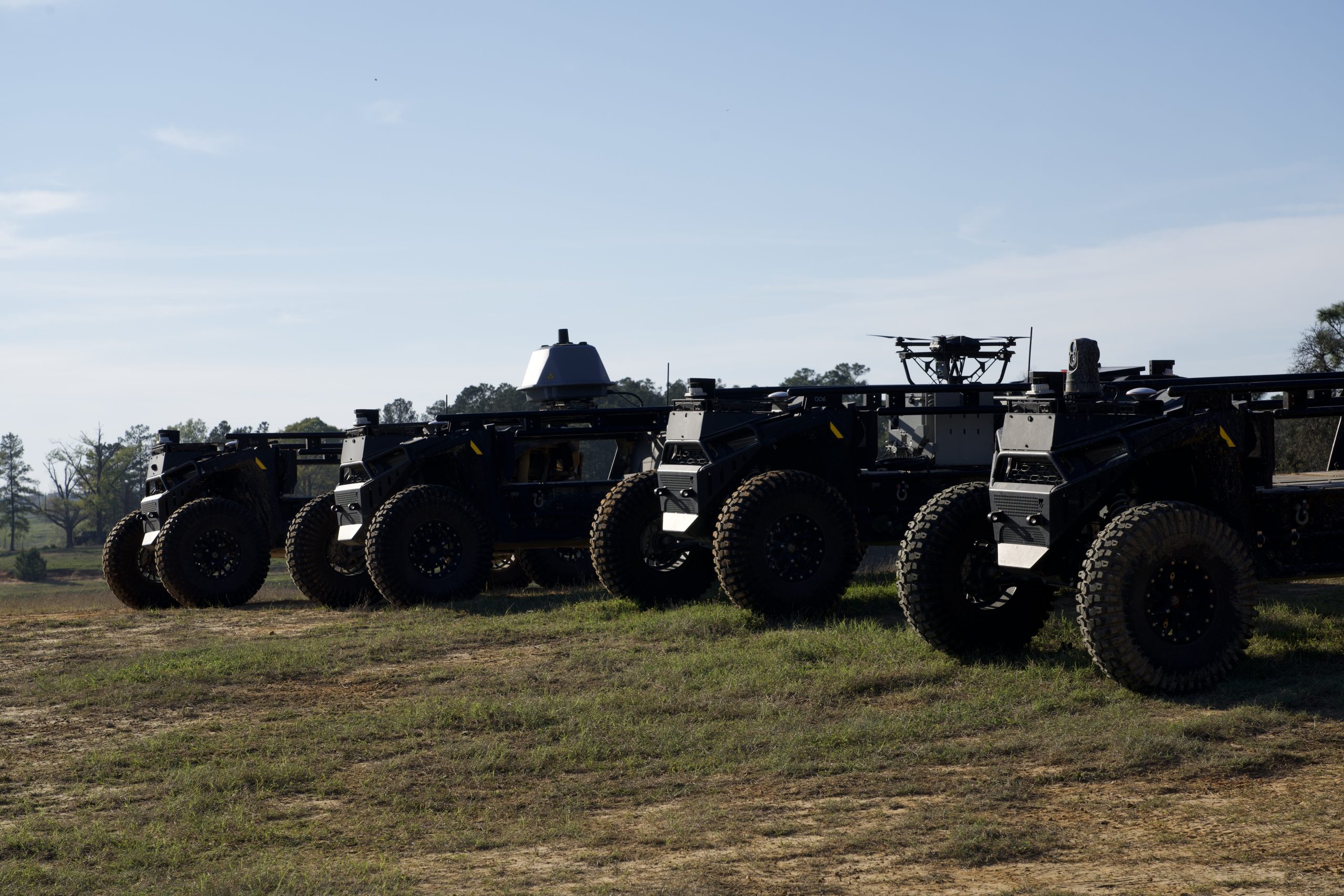
Overland AI’s autonomous Ultra ground vehicles have completed a major US Army training rotation, demonstrating their ability to operate alongside combat-ready brigade units.
Four Ultra vehicles carried out contested logistics, reconnaissance, and counter‑drone missions during a month‑long exercise.
They were integrated with the 3rd Brigade Combat Team, 82nd Airborne Division at the Joint Readiness Training Center in Fort Polk, Louisiana.
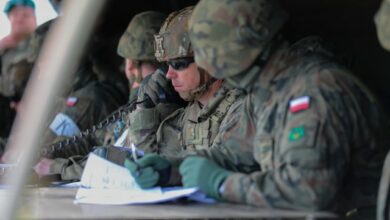
Soldiers operated the systems in day and night conditions across distances exceeding 10 kilometers (6.2 miles), putting the technology through one of the army’s most demanding training environments.
During contested logistics missions, Ultra vehicles cut distribution timelines by roughly half, improving resupply under simulated combat pressure.
When tasked with forward reconnaissance, they identified obstacles ahead of advancing units, informing breach planning and shaping the brigade’s maneuver plans.
“The bar for what autonomous ground vehicles can do inside a military formation is being set right now, and 3-82 helped us set it,” Overland AI co-founder and CEO Byron Boots said.
US Accelerates Autonomous Ground Vehicle Deployments
Recent US Army programs show a growing pipeline of autonomous ground systems moving from prototype contracts to real-world testing and limited acquisition.
One of the most prominent efforts is the Robotic Combat Vehicle program, in which the Defense Innovation Unit awarded prototype contracts for unmanned combat platforms for reconnaissance and support missions.
Alongside combat vehicles, the US Army is advancing autonomous logistics platforms under the Small Multipurpose Equipment Transport program.
One example is a system developed by American Rheinmetall Vehicles in partnership with Textron, designed to carry supplies across rugged terrain and reduce the burden on soldiers.
The US Army has also tested the THeMIS unmanned ground vehicle from Milrem Robotics, including in extreme environments such as Arctic conditions. The platform integrates autonomous navigation and hybrid propulsion to support long-duration missions with minimal human input.